You want to protect your family from ants, spiders, rodents, and the many other uninvited guests that find their way into Pacific Northwest homes, but you also want to make sure the solutions you choose do not put your pets at risk. The good news is that pet-safe pest control in Portland, OR has come a long way, and families today have more thoughtful, effective options than ever before.
Portland is a city that takes environmental responsibility seriously, and that ethos extends to how residents manage pests inside and around their homes. Whether you have a curious golden retriever who sniffs every corner or a cat who likes to nibble on houseplants, understanding your options is the first step toward keeping every member of your household safe.
Why Pet Safety Matters in Pest Control
Traditional pesticides contain chemical compounds that are designed to disrupt the nervous systems of insects and rodents. The problem is that many of these same compounds can be harmful to dogs, cats, birds, and other household pets. Animals are often closer to the ground than people, they groom themselves with their mouths, and they tend to investigate treated surfaces with their noses and paws. This combination of behaviors puts them at a higher risk of chemical exposure than most adult humans.
In Portland, OR, many families are already conscious of reducing toxin exposure in their everyday lives. This awareness extends naturally to pest management. Safe pest control for pets in Portland means choosing methods and products that eliminate pests without leaving behind residues or fumes that could trigger poisoning, respiratory distress, or neurological symptoms in animals.
Common warning signs of pesticide exposure in pets include excessive drooling, vomiting, tremors, lethargy, and loss of coordination. If you ever suspect your pet has been exposed to a harmful pesticide, contact your veterinarian or the ASPCA Animal Poison Control Center immediately.
Integrated Pest Management: The Foundation of Eco-Friendly Pest Control in Portland, OR
One of the most effective and responsible approaches to pest management is Integrated Pest Management, commonly referred to as IPM. This strategy focuses on long-term prevention and uses a combination of techniques to keep pests at bay while minimizing the use of chemical treatments.
Eco-friendly pest control in Portland, OR frequently incorporates IPM principles because the approach aligns well with the city’s broader commitment to environmental stewardship. IPM begins with a thorough inspection of your home to identify entry points, moisture issues, and conditions that attract pests. From there, the focus shifts to exclusion, which means sealing cracks, fixing leaky pipes, and removing food sources before reaching for any kind of treatment.
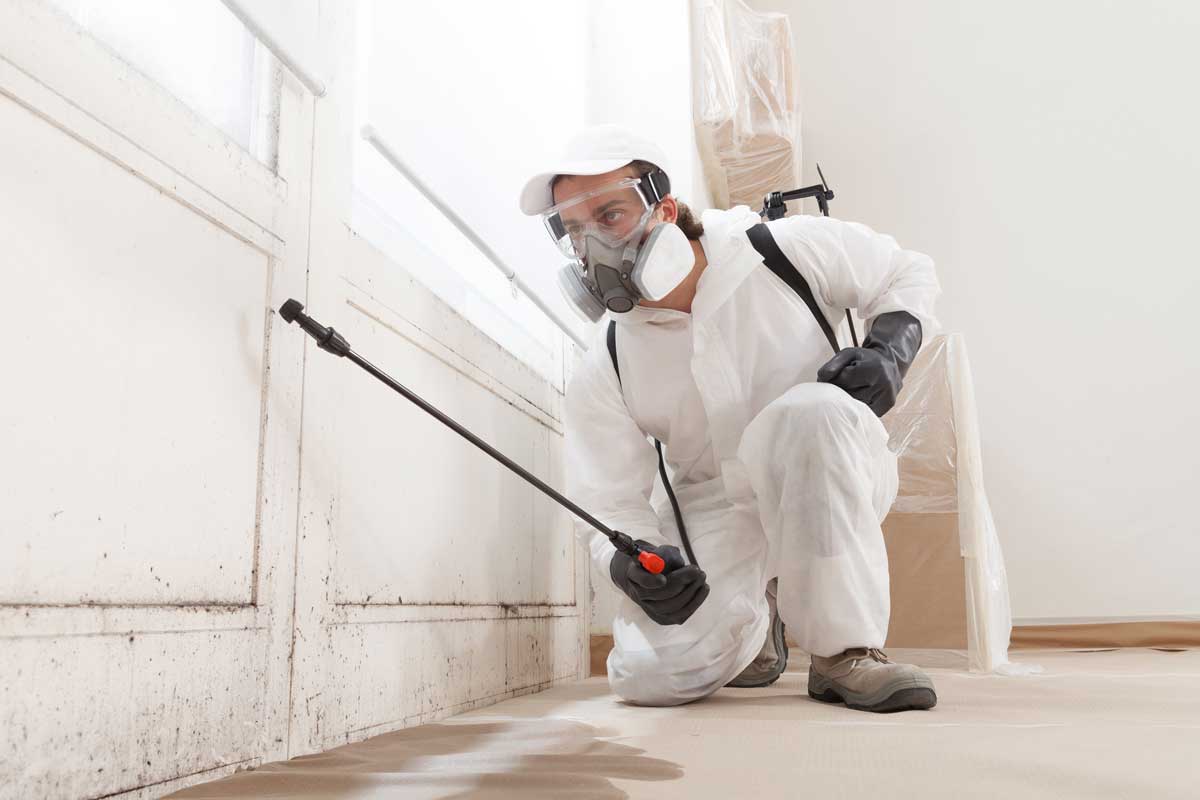
When treatments are necessary, IPM prioritizes the least toxic options first. This might include mechanical traps, heat treatments, or biological controls before moving on to targeted chemical applications. Because treatments are applied with precision rather than broad spraying, exposure risks for pets and children are significantly reduced.
For Portland families, working with a pest control provider who is trained in IPM is one of the most reliable ways to achieve family-safe pest control without sacrificing effectiveness.
Natural and Low-Toxicity Treatment Options for Portland Homes
Beyond IPM, there is a growing menu of natural and low-toxicity treatments that pet owners in Portland can feel more comfortable using. These options vary in their application and effectiveness depending on the type of pest, but they represent a meaningful shift away from conventional chemical approaches.
Diatomaceous earth is a popular choice among pet-conscious homeowners. Made from fossilized algae, this powder damages the exoskeletons of insects like fleas, ants, and cockroaches, causing them to dehydrate and die. Food-grade diatomaceous earth is generally considered safe around pets when used correctly, though it should not be inhaled in large amounts by people or animals. Apply it in thin layers in areas your pets cannot directly access.
Essential oil-based repellents are another option gaining traction in Portland. Products made with peppermint oil, cedarwood oil, or clove oil can deter certain insects. However, it is worth noting that some essential oils are toxic to cats and birds even in small concentrations, so always research the specific product and consult your veterinarian before use.
Boric acid is sometimes used for roach and ant control and is considered low-toxicity at appropriate concentrations. Still, it should be placed in areas inaccessible to pets and children. Heat treatments are highly effective for bed bugs and require no chemical applications at all, making them an excellent pet-safe option.
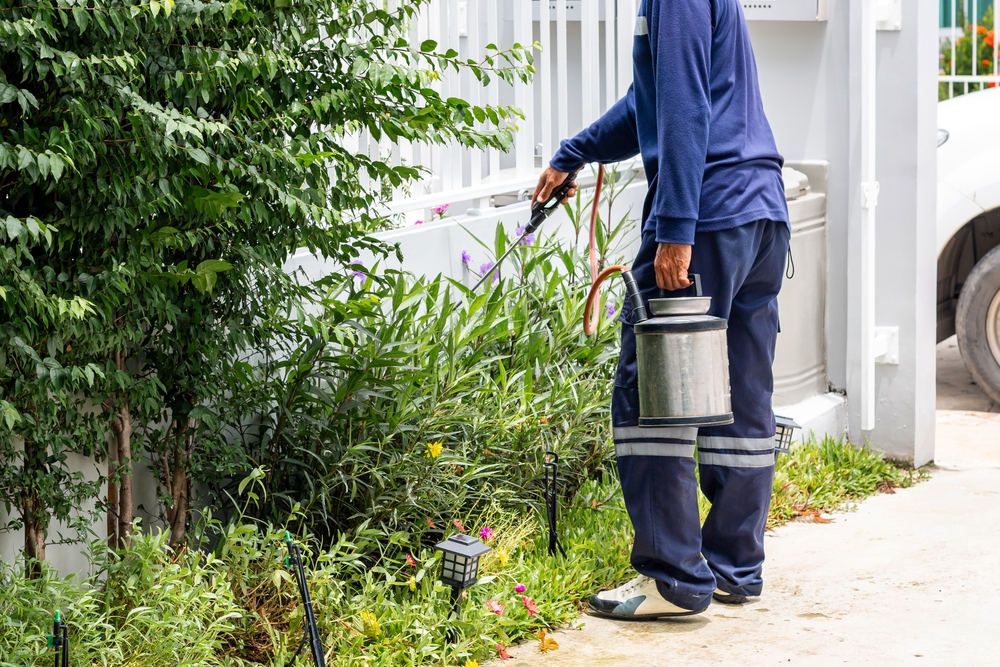
For outdoor pest management, neem oil is a biodegradable, plant-derived pesticide that disrupts the life cycle of many common garden pests. It breaks down quickly in the environment, reducing the risk of prolonged exposure for pets that spend time in the yard.
Choosing a Pet-Safe Pest Control Company in Portland, OR
Not every pest control company in Portland, OR markets itself as pet-friendly, and not every company that does has the training or products to back up that claim. When evaluating providers, there are several things you should look for to ensure you are getting genuinely safe pest control for pets in Portland.
First, ask whether the company practices IPM. A company that defaults immediately to broad chemical applications without inspecting for root causes is not prioritizing your family or your pets. Second, ask specifically what products they use and request safety data sheets (SDS) for those products. Reputable companies will have this information readily available and will walk you through any precautions needed before, during, and after treatment.
Third, ask how long you and your pets should stay out of the treated areas. A trustworthy provider will give you specific re-entry timelines rather than vague reassurances. Fourth, look for companies that hold relevant certifications or affiliations with organizations that promote responsible pest management, such as the National Pest Management Association (NPMA) or Oregon’s own licensing requirements through the Oregon Department of Agriculture.
Reading online reviews with an eye toward pet owners’ experiences can also be informative. Portland families tend to be vocal about their values, and reviews often reflect whether a company genuinely follows through on its eco-friendly and pet-safe claims.
Finally, consider asking about ongoing monitoring programs. Family-safe pest control in Portland works best as a long-term partnership with a provider who knows your home, tracks pest activity over time, and adjusts treatments based on what is actually happening rather than a fixed schedule.
Seasonal Pest Pressures and What They Mean for Pet Owners in Portland
Portland’s climate brings its own set of seasonal pest challenges. The wet winters and mild springs create ideal conditions for rodents seeking shelter, while the warmer months see spikes in ant activity, wasps, and occasionally fleas carried in by wildlife or other neighborhood pets.
Flea prevention is especially relevant for pet owners in Portland. Even indoor cats can be exposed to fleas through open windows or contact with outdoor animals. Before relying on topical flea treatments or flea bombs, consider consulting your vet about oral or spot-on flea preventatives that are specifically formulated for your pet’s species, weight, and age. These targeted treatments are generally safer than environmental sprays because the chemical exposure is controlled and directed.
During the rainy season, moisture draws rodents indoors. Snap traps placed in enclosed bait stations are a pet-safe alternative to rodenticide blocks, which can cause serious harm to dogs and cats that find and consume them. Glue traps, while non-toxic, can injure or distress pets and are generally not recommended in pet-friendly homes.
Conclusion
Keeping pests out of your Portland home does not have to mean putting your pets at risk. From eco-friendly pest control methods rooted in IPM to natural treatments and carefully vetted service providers, Portland families have real, effective options. The key is asking the right questions, choosing providers who take pet safety seriously, and staying informed about what is being applied in your home. With the right approach, you can protect both your household and the animals you love.
Portland, OR is a city known for its farm-to-table culture, thriving restaurant scene, and passionate home cooks. But with all that food comes a serious responsibility: proper storage. Whether you run a busy kitchen in the Pearl District or stock a pantry in Southeast Portland, the way you store food has a direct impact on whether pests decide to move in. Pest control in Portland, OR is a growing concern for homeowners and business owners alike, and many infestations start with the same simple, avoidable mistakes.
Understanding what draws pests in is the first step toward keeping them out. From pantry moths to rats, the pests that plague Portland homes and businesses are almost always following one thing: a reliable food source. Here is what you might be doing wrong, and how to fix it before an infestation takes hold.
Leaving Food in Its Original Packaging
One of the most common food storage mistakes that undermines pest prevention in Portland is leaving dry goods in their original bags and boxes. Cardboard cereal boxes, paper flour bags, and thin plastic chip bags offer almost no protection against determined pests. Pantry moths can chew through plastic wrap. Mice can gnaw through cardboard with ease. If you are storing rice, pasta, oats, flour, or cereal in their store-bought packaging, you are essentially leaving the door open.
The fix is straightforward. Transfer dry goods into hard, airtight containers made of glass or thick plastic with secure lids. Label them with the purchase date so you can rotate stock properly. This single habit change is one of the most recommended Portland, OR pest prevention tips because it eliminates the easy access pests rely on. In restaurant and commercial kitchen settings, this practice is not just smart, it is often required by health code. Proper pest control for restaurants in Portland, OR starts with the basics, and airtight storage is at the top of the list.
Ignoring Spills, Crumbs, and Residue
A sticky honey drizzle left on a pantry shelf. A few crumbs under the toaster. A splash of juice behind the refrigerator. These small messes seem harmless, but to a pest, they are a feast. Ants, cockroaches, and rodents have highly sensitive senses of smell, and they can detect food residue from impressive distances. Once they find a consistent source, they communicate it to the rest of their colony or family group, and suddenly you have an infestation rooted in nothing more than a forgotten spill.
For homeowners, this means building a habit of cleaning up immediately after cooking and eating. Wipe down shelves regularly, sweep under appliances, and pay special attention to corners and tight spaces where crumbs tend to accumulate. For commercial kitchens, the stakes are even higher. Restaurants in Portland, OR are held to strict sanitation standards, and failure to address residue buildup is one of the leading causes of pest complaints. A routine deep-cleaning schedule, paired with professional pest control in Portland, OR, goes a long way toward staying compliant and keeping pests out.
Storing Pet Food and Bird Seed Improperly
Many Portland residents are pet owners and backyard birding enthusiasts, but they often overlook the pest risks that come with storing animal food. A large bag of kibble left open in the garage, or a bucket of birdseed stored on a porch, can attract rodents, raccoons, and insects almost overnight. Portland’s damp climate and abundant green spaces make it especially attractive to wildlife that is always on the lookout for easy food sources.
Pet food should be stored in sealed, hard-sided containers, ideally indoors or in a secure storage area. Do not leave food out in your pet’s bowl overnight, as this is a known attractant for rodents. Birdseed should be stored in metal or thick plastic containers with tight-fitting lids, and any seed that falls to the ground should be cleaned up regularly. These food storage pest prevention habits in Portland are easy to adopt and make a noticeable difference. If you are already dealing with rodent activity around pet food storage areas, it is worth contacting a pest control professional in Portland, OR to assess the situation before it worsens.
Mismanaging Produce, Compost, and Trash
Fresh produce left on the counter too long, overripe fruit sitting in a bowl, or a compost bin without a secure lid are all open invitations for fruit flies, gnats, ants, and even larger pests. Portland residents tend to be environmentally conscious, which is wonderful, but composting and produce storage require some extra care when it comes to pest prevention.
For produce, use your refrigerator more aggressively. Fruits and vegetables that are past their prime should be composted or discarded promptly rather than left sitting out. If you compost at home, choose a bin with a secure, latching lid and avoid adding meat, dairy, or cooked foods, which break down quickly and release strong odors. Indoor compost bins should be emptied frequently, especially during warmer months when decomposition speeds up.
Trash management is equally important. Use trash cans with locking or tight-fitting lids both indoors and outdoors. Rinse food containers before placing them in the recycling bin, since residue in cans and bottles is a common overlooked attractant. For Portland, OR businesses, especially those in the food service industry, proper waste management is a cornerstone of pest control for restaurants in Portland, OR. Dumpsters should be positioned away from building entrances when possible, kept clean, and emptied on a consistent schedule.
Overlooking the Storage Areas Themselves
Even if you store food correctly, the storage environment itself can undo your efforts. Dark, cluttered, and damp spaces are ideal harborage areas for pests. A pantry that never gets cleaned out, a basement storage area packed with old boxes, or a dry goods room in a restaurant with poor ventilation can all harbor pest activity even when food containers are sealed.
Organizing and decluttering storage spaces regularly is an important but often overlooked part of food storage pest prevention in Portland. Pull everything out of pantries and storage rooms at least twice a year, inspect for signs of pest activity such as droppings, gnaw marks, or shed skins, and wipe down shelves thoroughly. Use shelf liners that are easy to clean and replace. Install adequate lighting in storage areas, as pests prefer darkness and are less likely to establish themselves in well-lit spaces.
For businesses, this also means conducting regular inventory audits and discarding expired or damaged products. Old stock sitting at the back of a shelf is not just a food safety issue but also a pest risk. Broken packaging, moisture exposure, and long storage times can all attract insects. Combining these organizational practices with professional pest control in Portland, OR creates a comprehensive approach that protects both residential and commercial spaces.
Conclusion
Portland, OR’s vibrant food culture is one of its greatest strengths, but it also comes with pest risks that should not be underestimated. Most infestations can be traced back to simple, correctable food storage habits. By sealing dry goods, cleaning up spills promptly, securing pet food and compost, managing trash properly, and keeping storage areas organized, both homeowners and businesses can dramatically reduce their pest risk. When prevention is not enough, working with a licensed pest control professional in Portland, OR ensures that problems are addressed quickly and effectively before they escalate.
Portland, Oregon’s wet and temperate climate creates an ideal environment for spiders to thrive. The region’s persistent moisture, mild winters, and abundant insect populations make homes in Portland particularly attractive to these eight-legged creatures. Understanding the unique challenges of spider control in Portland, OR can help you protect your home and family from unwanted arachnid visitors. This comprehensive guide will provide practical strategies for pest control in Portland, OR and show you how to get rid of spiders in Portland through both prevention and treatment methods.
Portland’s Spider Problem
The Pacific Northwest’s rainy climate is a significant factor in why homeowners struggle with spider infestations. Portland receives substantial rainfall throughout the year, which increases moisture levels both indoors and outdoors. Spiders thrive in damp environments because moisture attracts the insects they feed on, creating a perfect ecosystem for spider populations to flourish. The combination of dense vegetation, mild winters that don’t kill off spider populations, and constant moisture means that prevent spiders in house efforts in Portland require year-round attention.
Different spider species are common in the Portland area. Cellar spiders (also called daddy longlegs) prefer dark, damp basements and crawl spaces. Orb weavers are frequently found in gardens and on building exteriors. House spiders and wolf spiders often enter homes seeking shelter, particularly during the wetter months. Understanding which species you’re dealing with can help you tailor your pest control in Portland, OR approach more effectively. Most house spiders in Portland are harmless to humans, but their presence can still be unsettling for homeowners who prefer spider-free living spaces.
Moisture Control as Your First Line of Defense
One of the most effective methods for spider control in Portland, OR is addressing the moisture problem that attracts spiders in the first place. Reducing humidity levels inside your home makes it less attractive to spiders and the insects they hunt. Start by checking your home’s ventilation systems, particularly in bathrooms and kitchens where moisture accumulates. Installing exhaust fans and using them during and after showers can significantly reduce indoor humidity. Make sure these fans are properly vented to the outside, not into your attic or crawl space.
Your basement and crawl space require special attention when implementing pest control in Portland, OR strategies. These areas naturally collect moisture from the ground, making them spider magnets. Consider installing a dehumidifier in your basement to keep humidity levels below 50 percent. If your home has a crawl space, ensure it’s properly sealed and ventilated. Installing a vapor barrier on the crawl space floor helps prevent moisture from seeping into your home. Regular inspection of these areas allows you to catch moisture problems before they escalate.
Fix any water leaks immediately, as they create wet spots that attract both spiders and their prey. Check under sinks, around toilets, and where pipes enter your home. Even small drips can create environments where spiders flourish. Gutters and downspouts should direct water at least six feet away from your home’s foundation. In Portland’s rainy climate, keeping these drainage systems clear and functional is essential for preventing moisture accumulation around your home’s perimeter.
Sealing Entry Points and Managing Your Home’s Exterior
Learning how to get rid of spiders in Portland starts with preventing them from entering your home in the first place. Spiders need only tiny openings to slip inside, so a thorough inspection of your home’s exterior is crucial. Caulk cracks and crevices around windows, doors, and where utilities enter your home. Pay special attention to areas where different materials meet, such as where siding meets the roof or foundation. These gaps are common entry points for spiders seeking shelter from Portland’s wet weather.
Check weather stripping around doors and windows, replacing it if it’s cracked or deteriorated. Make sure screens have no tears or holes where spiders can pass through. When you open windows for fresh air (which Portland’s occasional nice days permit), ensure screens are secure and intact. Your garage door should fit snugly in its frame, as spiders often use garages as entry points into homes.
The area immediately surrounding your home also needs attention for effective pest control in Portland, OR. Keep vegetation trimmed back at least a foot away from your home’s exterior. Spider webs often form on outdoor plants and structures near your home, providing convenient pathways for spiders to move closer to entry points. Remove dead wood, leaf piles, and other debris where spiders hide and hunt. Store firewood away from your home’s exterior, ideally in a covered structure at least ten feet away.
Creating an Inhospitable Interior Environment
Once you’ve addressed moisture and sealed entry points, focus on making the interior of your home less attractive to spiders. This is a key component of how to get rid of spiders in Portland and maintain a spider-free living space. Declutter your home regularly, as spiders love hiding places. Piles of clothing, boxes, and papers provide excellent shelter. Store items in sealed containers rather than cardboard boxes, which spiders can easily penetrate. Keep closets organized and well-lit, as spiders prefer dark spaces.
Lighting affects spider activity indoors. Spiders are attracted to areas where their prey congregates, and insects gather around light sources. Using yellow or sodium vapor lights near entry points is less attractive to insects and therefore less appealing to spiders. Inside your home, keep interior lights near doors and windows dimmed when possible, or use curtains to prevent light from attracting insects to those areas.
Prevent spiders in house by cleaning regularly and thoroughly. Vacuum frequently, especially in corners, under furniture, and along baseboards where spiders build webs. When you find a web, remove it immediately. Regular vacuuming also removes other insects that spiders feed on, making your home less attractive hunting ground. Dust surfaces weekly to remove spider eggs and debris that accumulates in your home.
Treatment Options and Professional Help
For persistent spider problems, various treatment options exist for pest control in Portland, OR. Spider repellent sprays containing essential oils like peppermint or tea tree oil can deter spiders from specific areas. These products work best on entry points and areas where spiders frequently appear. Diatomaceous earth (food-grade only) can be applied in crawl spaces and along baseboards, though it requires regular reapplication, especially in Portland’s damp climate where moisture reduces its effectiveness.
If your spider control efforts in Portland, OR aren’t yielding results, professional pest control services can provide more comprehensive solutions. Licensed pest control professionals have access to treatments specifically designed for residential applications and understand the regional spider species in Portland. They can identify entry points you might have missed and provide targeted treatments in areas like crawl spaces and attics where homeowners often cannot safely access.
When hiring a professional, look for companies experienced with Portland’s specific climate challenges. Ask about their approach to preventing spiders in house using both chemical and non-chemical methods. Regular follow-up visits may be necessary during Portland’s peak spider season, which typically occurs in fall when spiders seek shelter indoors before winter.
Conclusion
Maintaining a spider-free home in Portland requires a multi-faceted approach that addresses the region’s unique moisture and climate conditions. By controlling humidity, sealing entry points, managing your home’s exterior, and creating an inhospitable interior environment, you can significantly reduce spider populations in your home. Combining preventative measures with targeted treatments ensures effective spider control in Portland, OR. Whether you choose to implement these strategies yourself or seek professional pest control in Portland, OR, taking action today will help you enjoy a more comfortable spider-free living space throughout the year.
If you own a home in Portland, Oregon, one of the most important maintenance steps you can take is scheduling a professional pest inspection. Portland’s climate, with its mild winters and damp conditions, creates an ideal environment for various pests to thrive. Whether you’re buying a new home, selling your current property, or simply want to protect your investment, understanding what happens during a professional pest inspection in Portland can help you feel prepared and informed.
The Purpose of a Professional Pest Inspection
A professional pest inspection is a thorough examination of your property conducted by a licensed pest control expert. The primary goal is to identify any current pest infestations, signs of past pest activity, and conditions that might attract pests in the future. In Portland, Oregon, a professional pest inspection typically focuses on common local pests including termites, rodents, cockroaches, spiders, carpenter ants, and moisture-loving insects.
The inspection serves multiple purposes depending on your situation. If you’re purchasing a home in Portland, a pest inspection provides critical information about potential structural damage or infestations that could affect your investment. If you’re selling your property, having a clean pest inspection report can increase buyer confidence and potentially increase your property’s value. For existing homeowners, regular pest inspections help catch problems early before they become expensive to treat.
What the Inspector Examines During Your Home Pest Inspection in Portland
During a home pest inspection in Portland, a trained professional will examine both the interior and exterior of your property systematically. The inspector typically starts outside, looking at the foundation, roof, gutters, and landscaping. They check for gaps, cracks, and other entry points that pests might use to access your home. They also look for conditions that attract pests, such as standing water, wood debris, or mulch piled directly against the house.
Moving inside, the inspector examines all accessible areas including the basement, crawl spaces, attic, and living spaces. They look for droppings, dead insects, damaged wood, webbing, and other signs of pest activity. Special attention is paid to areas where pests commonly hide, such as behind appliances, under sinks, in cabinets, and in dark corners. The inspector checks for moisture problems, as many pests are attracted to damp areas. In Portland, where humidity is common, moisture control is particularly important.
The inspector also examines structural elements like wooden beams, floors, and walls for signs of termite damage or other wood-destroying insects. They use specialized equipment such as moisture meters and sometimes even infrared cameras to detect problems that aren’t visible to the naked eye. They assess ventilation and air circulation, as proper airflow helps prevent the moisture conditions that pests prefer.
The Tools and Techniques Used by Pest Control Professionals in Portland, OR
Professional pest control experts in Portland, Oregon use various tools and techniques to conduct thorough inspections. Flashlights and mirrors help inspectors see into tight spaces and dark areas where pests hide. Moisture meters measure humidity levels in different parts of your home, helping identify conditions favorable to pests. Some inspectors use thermal imaging cameras to detect temperature variations that might indicate pest activity or structural issues.
Probe tools allow inspectors to check the integrity of wood without causing significant damage to your property. Magnifying glasses help identify small insects and eggs that might otherwise be missed. Professional-grade pest detection equipment can be quite sophisticated, and experienced Portland pest control specialists invest in quality tools to provide accurate assessments.
The inspection methodology itself is important. A thorough professional pest inspection in Portland follows a systematic approach, examining the property room by room and section by section. This organized approach helps ensure nothing is missed. The inspector takes notes and often photographs findings to document their observations comprehensively.
What the Inspection Report Includes and How to Use It
After completing the inspection, the pest control professional provides you with a detailed report. This document is your roadmap for understanding your property’s pest situation. The report typically includes a summary of findings, identifying any current infestations or signs of past pest activity. It describes the location and severity of any problems discovered.
The report also includes recommendations for treatment and prevention. If pests are present, the inspector suggests appropriate pest control methods and their estimated costs. Prevention recommendations might include sealing entry points, improving ventilation, removing food sources, or modifying landscaping. A quality pest control report for Portland properties also addresses conditions that create pest vulnerability, such as moisture issues or gaps in weatherproofing.
The report serves multiple functions depending on your situation. For home buyers in Portland, the inspection report informs your decision about proceeding with the purchase or negotiating with the seller. For sellers, a clean report is a valuable marketing tool. For homeowners, the report guides your pest prevention and treatment efforts. Keep your inspection report on file for future reference and to track whether previous pest issues have been resolved.
Prevention Tips Based on Common Portland Pest Issues
Understanding what pests are common in Portland helps you take preventive action. The Pacific Northwest climate supports a variety of pests, and seasonal changes mean your prevention strategies should evolve throughout the year. During Portland’s wet months, moisture control becomes especially critical. Ensure gutters are clean, downspouts direct water away from your foundation, and crawl spaces have proper ventilation.
Eliminate food sources by storing pantry items in sealed containers, cleaning up crumbs promptly, and not leaving pet food out overnight. Remove harborage areas by decluttering, trimming vegetation away from your home, and keeping firewood stacked away from the foundation. Seal cracks and gaps around pipes, vents, and utility penetrations. Weather-strip doors and windows to prevent pest entry.
Regular maintenance is your best defense against pest problems. Have your gutters cleaned regularly, inspect your foundation and siding for damage, and monitor for early signs of pest activity like droppings or damage. In Portland, where wood-destroying insects are a concern, be especially vigilant about protecting wooden structures and promptly addressing any moisture issues that create conditions favoring these pests.
When to Schedule Your Next Pest Inspection
The frequency of pest inspections depends on several factors including whether you’ve had previous pest problems, the age of your home, and local pest pressures. Most pest control experts recommend annual inspections for Portland homeowners as a preventive measure. Homes with previous pest issues may benefit from inspections every six months during the first year after treatment, then annually thereafter.
New homeowners should schedule an inspection promptly after purchase, especially if one wasn’t done before closing. If you notice signs of pest activity like droppings, damaged wood, or insect sightings, contact a professional immediately rather than waiting for your scheduled inspection. Seasonal changes in Portland can trigger increased pest activity, making spring and fall particularly good times for preventive inspections.
Conclusion
A professional pest inspection in Portland, Oregon is an essential part of responsible home ownership and a critical step in real estate transactions. Understanding what to expect during the process helps you prepare and get the most value from the inspection. By working with qualified pest control professionals and following their recommendations, you can protect your Portland property from pest damage and maintain a healthy living environment for your family.
Spring arrives with milder temperatures and longer days, and these changes wake up many pests that stayed dormant through winter. For homeowners and property managers, this shift is more than a simple seasonal transition. It marks the beginning of increased insect activity that can lead to unwelcome infestations if not addressed early. Spring pest control in Portland, OR is especially important because the region’s wet climate creates ideal breeding conditions for many species. Ants, spiders, rodents, and moisture loving insects begin searching for food, warmth, and shelter as soon as the weather improves.
What makes Portland unique is the combination of rain, lush vegetation, and steady humidity. These conditions benefit pests, giving them multiple places to hide and thrive. As a result, preventive action before bug season is far more effective than waiting until pests have already settled inside your home. Portland pest prevention works best when it starts early and focuses on habits that discourage pests from choosing your home as their destination. A well planned approach can reduce long term risks and help you avoid costly treatments later in the year.
Why Early Pest Prevention Matters in a Damp Climate
Spring pest control in Portland, OR is not simply a convenience. It is a necessity brought on by the region’s climate. Rain fills gutters, saturates soil, and increases moisture around foundations. Since many pests depend on moist environments to survive, any excess water near your property can attract them. For example, carpenter ants are more active in damp wood, and moisture ants appear when materials begin to decay. These are not only nuisances. They can cause structural damage if left untreated.
Rodents are another concern during spring. Warmer weather means they will expand their search for food sources, and residential properties are often the easiest targets. Small openings in siding, foundations, or rooflines provide rodents with immediate access to shelter. Once inside, they multiply quickly, which makes early intervention crucial. Portland pest prevention strategies aim to eliminate these vulnerabilities before pests begin their seasonal surge.
Because Portland residents value environmental responsibility, many homeowners look for eco-friendly pest control. Portland professionals increasingly use low impact treatments that reduce harm to beneficial species and minimize chemical exposure. By focusing on prevention rather than aggressive corrective treatments, property owners can keep pest populations in check while supporting the area’s ecological balance. Early action lets homeowners choose greener solutions that may not be effective once an infestation becomes severe.
The Role of Home Maintenance in Spring Pest Protection
Routine property upkeep is one of the most powerful tools in spring pest control in Portland, OR. Although many people rely solely on professionals, a significant part of pest prevention begins with simple home maintenance. Removing attractants is the first step. Pests thrive where they find food, water, and shelter, so eliminating these elements limits their opportunity to settle.
Moisture control is critical in Portland’s rainy environment. Check for leaks around sinks, bathrooms, basements, gutters, and outdoor spigots. Even small drips can support pests like silverfish, cockroaches, and moisture ants. Clearing gutters not only prevents water damage but stops standing water from becoming a breeding ground for insects. Improve ventilation in crawlspaces or attics if humidity is high.
Another important form of Portland pest prevention involves sealing entry points. Inspect your home’s exterior for cracks in foundations, gaps around windows, worn weather stripping, or openings near utility lines. Even a space as small as a quarter inch can allow mice to squeeze inside. Caulking, patching, or replacing damaged materials can prevent many issues long before they begin.
Yard maintenance also influences pest behavior. Overgrown shrubs, tall grass, and heavy mulch create shelter for insects and rodents. Trim vegetation so it does not touch the home, and avoid piling wood or debris near your foundation. Since many pests migrate from surrounding landscapes, giving them fewer hiding places reduces the chance that they will move indoors.
Eco Friendly Pest Control Options for Portland Homes
Many Portland residents prioritize sustainability, so eco-friendly pest control, Portland services, and green product options are increasingly popular. The goal is to manage pests without relying heavily on chemicals that may harm beneficial insects, pets, or local waterways. Spring is the ideal time to implement green strategies because prevention works best before pests grow their populations.
Integrated pest management is one such environmentally conscious approach. It combines monitoring, sanitation, exclusion, and limited product use to maintain a balanced ecosystem around your property. Instead of treating pests after they colonize, homeowners and professionals collaborate to prevent conditions that lead to infestations. This proactive strategy makes spring pest control more effective while reducing the need for harsh treatments.
Botanical based treatments are another valuable tool. These products use plant derived ingredients such as essential oils to deter pests. While not always strong enough to handle severe infestations, they perform well when used early in the season. Some botanical agents target specific pests without affecting pollinators or other beneficial species, which is an important priority for eco minded Portland communities.
Baiting systems and trapping methods also support green pest control. They localize the treatment area and reduce chemical exposure in and around the home. Many modern baiting systems are designed for ants and rodents, two of the most common spring pests in Portland. Their effectiveness improves greatly when used before populations expand during warmer months.
When to Call a Professional for Spring Pest Control
Although preventive maintenance plays a major role in Portland pest prevention, there are times when professional help becomes necessary. If you begin to notice repeated pest activity early in the season, it may be a sign of a deeper issue. Carpenter ants, for example, often indicate moisture problems within walls or crawlspaces. Termites are less common in Portland compared to other regions, but they still appear in isolated pockets. Any suspicion of wood destroying insects warrants a professional inspection.
Rodent sightings also require quick intervention. Mice and rats reproduce rapidly, and their nesting materials, droppings, and gnawing behavior can create health hazards or structural concerns. Professionals can identify access points that are easy to miss and can recommend durable exclusion methods.
Homeowners who prefer eco-friendly pest control, Portland services, and green strategies can speak with local providers who specialize in environmentally responsible treatments. These specialists understand the region’s climate patterns and pest behavior. They can create seasonal plans that minimize infestations while respecting Portland’s ecological values.
Even if you have not seen pests yet, many experts recommend scheduling a spring inspection. Early assessments can uncover hidden risks before peak insect activity begins. Preventive treatment at this stage is cost effective and reduces the chance that pests will take hold later in the year.
Conclusion
Spring pest control in Portland, OR involves understanding how seasonal changes affect pest behavior and taking proactive steps long before insects and rodents reach their full activity levels. Portland pest prevention is not only about reacting to problems but about creating an environment that discourages pests altogether. By reducing moisture, sealing entry points, managing yard conditions, and adopting sustainable practices, homeowners can significantly lower their risk of springtime infestations.
Eco-friendly pest control, Portland providers, and modern green methods offer reliable options that support both effective prevention and environmental responsibility. By combining personal maintenance with professional guidance when necessary, you can protect your home and property throughout the season. Investing time in spring preparation leads to healthier living spaces, fewer pest intrusions, and greater peace of mind as warmer weather arrives.