Planning a vacation should be exciting, not stressful. The last thing any homeowner wants is to come home to ants in the kitchen, rodents in the garage, or wasps building nests around the front door. In Portland, OR, mild temperatures and seasonal moisture allow many pests to stay active while homes sit empty, making a little preparation before you leave well worth the effort.
Quick Answer
The best way to pest-proof your home before leaving for vacation is to eliminate food and water sources, seal common entry points, remove outdoor attractants, and inspect your property for signs of pest activity. Taking these steps before you leave can reduce the chances of returning to an unexpected pest problem.
What Local Readers Should Know
Empty indoor trash, clean food preparation areas, and store pantry items in sealed containers before leaving.
Portland’s mild climate allows ants, rodents, spiders, and moisture-loving pests to remain active throughout much of the year.
Homes near Forest Park, the Willamette River, or heavily wooded neighborhoods may experience increased wildlife and rodent activity.
Simple maintenance tasks like trimming vegetation and checking door seals can help keep pests outside while you’re away.
Scheduling a professional pest inspection before an extended trip can help identify issues that are easy to overlook.
Why This Matters Locally
Pest activity does not stop just because you’re on vacation. Portland’s wet winters, moderate summers, and abundant vegetation create favorable conditions for many common household pests. Older homes throughout neighborhoods like Laurelhurst, Sellwood, and Irvington may also have small gaps around foundations, siding, or utility penetrations that provide easy access for insects and rodents.
At Frost Integrated Pest Management, we regularly help local homeowners prevent pest problems before they become larger infestations. Preparing your home before a trip is one of the simplest ways to reduce risk while protecting your property.
Local Field Observations
Professional field observations consistently show that unoccupied homes become more attractive to pests when food, moisture, or shelter are easily available. During warmer months throughout Multnomah County and nearby communities such as Beaverton, Gresham, and Lake Oswego, ants and spiders often become more noticeable. As temperatures cool, rodents frequently begin searching for warm indoor spaces.
Even a week away can give pests enough time to establish themselves if conditions are favorable.
How Vacation Can Increase Pest Activity
Leaving your home unattended can create opportunities for pests that normally would not exist.
Common factors include:
Full garbage cans left indoors or outdoors
Pet food left accessible
Standing water in sinks, plant trays, or clogged gutters
Overgrown landscaping touching the home
Unsealed doors, windows, or garage openings
Reduced household activity that would normally disturb pests
Small issues that seem harmless before leaving can become much larger by the time you return.
Warning Signs to Check Before You Leave
Inspecting your home before vacation can help you catch problems early.
Look for:
Small gaps around doors or windows
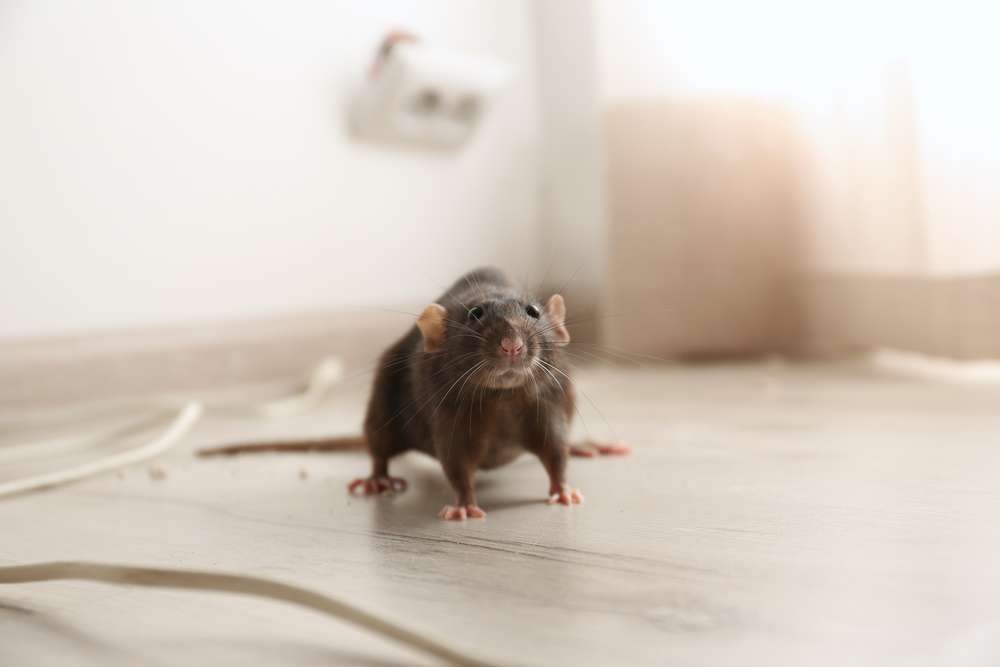
Rodent droppings in garages, attics, or crawl spaces
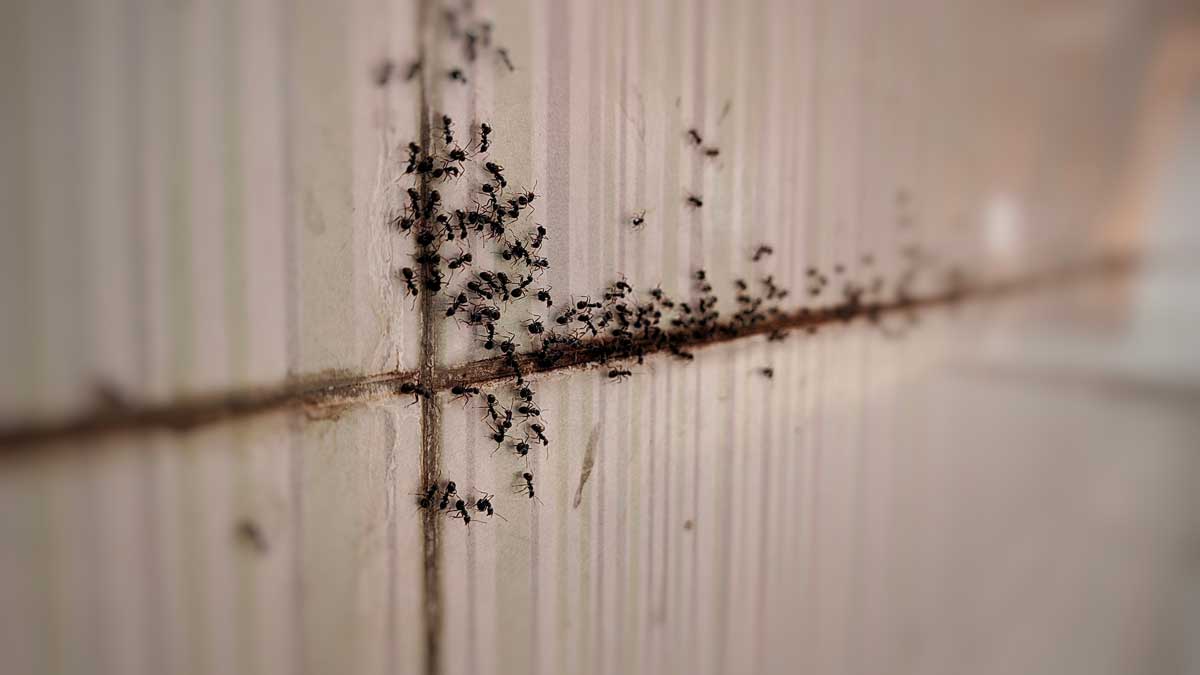
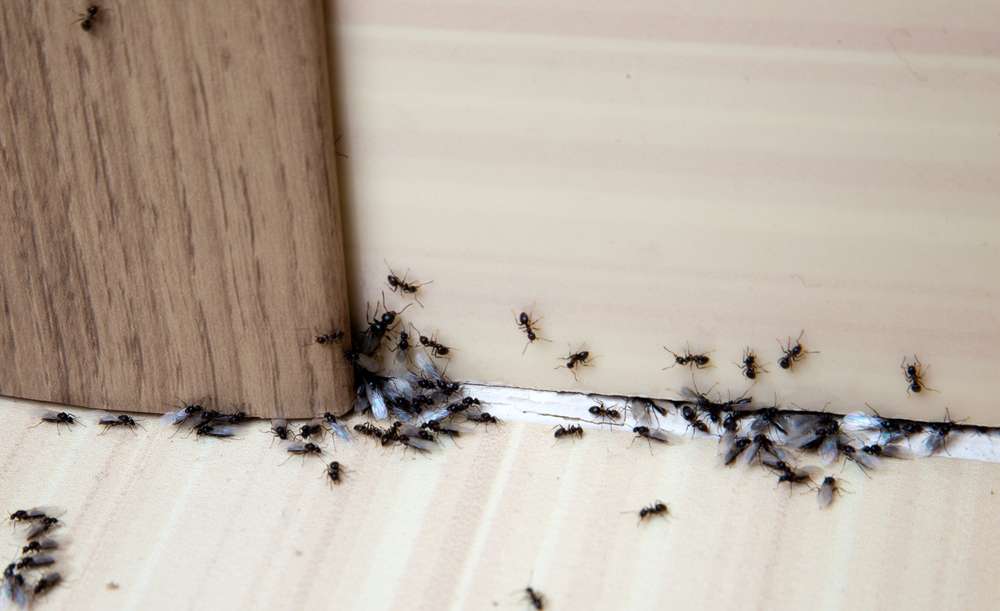
Ant trails along baseboards or kitchen counters
Wasp nests forming under eaves or decks
Spider webs accumulating around entry points
Moisture around plumbing fixtures
Chewed food packaging inside pantries
Finding any of these signs before your trip gives you an opportunity to address the problem before pests become established.
When to Call a Professional
Minor housekeeping and maintenance tasks are safe for most homeowners to handle themselves. However, visible rodent activity, recurring ant infestations, termite concerns, or multiple wasp nests should be professionally evaluated before leaving for an extended vacation.
Professional inspections can also identify hidden entry points that are difficult to spot during a routine walkthrough.
Common Causes of Vacation Pest Problems
Several local conditions increase the likelihood of pest activity while homes are vacant.
1. Easy Food Sources
Open pantry items, overflowing trash, dirty dishes, and pet food provide everything many insects and rodents need.
2. Moisture
Portland’s frequent rainfall can contribute to damp crawl spaces, overflowing gutters, and excess moisture around foundations, all of which attract certain pests.
3. Landscaping
Branches touching the roof, dense shrubs against siding, and overgrown vegetation provide bridges directly to your home.
4. Entry Points
Small cracks around utility lines, weatherstripping, vents, and garage doors often become access points for mice and insects.
5. Seasonal Changes
As temperatures fluctuate throughout the Pacific Northwest, pests naturally search for stable indoor environments.
Prevention and Maintenance
Preparing your home before vacation does not require complicated projects.
A practical checklist includes:
Empty all indoor trash.
Clean kitchen counters and floors.
Store dry foods in sealed containers.
Repair damaged door sweeps.
Close crawl space and attic access points.
Trim vegetation several inches away from exterior walls.
Remove standing water from outdoor containers.
Ask a trusted neighbor to collect mail and monitor the property.
Schedule preventive pest service if your home has experienced recurring pest activity.
These simple steps reduce many of the conditions pests rely on.
What You Can Expect From Preventive Pest Service
Professional preventive pest management focuses on identifying vulnerabilities before pests become established. Depending on your home’s needs, this may include inspecting entry points, monitoring pest activity, recommending exclusion improvements, and treating areas where pests commonly enter.
Preventive service cannot eliminate every possibility, but it often reduces the conditions that allow infestations to develop while a home is vacant.
Common Mistakes Homeowners Make
Mistake: Leaving pet food out while away. Consequence: Ants, rodents, and other pests gain an easy food source. Better Approach: Store food securely and arrange for fresh feeding only when someone visits the home.
Mistake: Ignoring small foundation gaps. Consequence: Rodents and insects may enter while the home is empty. Better Approach: Seal accessible openings before leaving.
Mistake: Forgetting outdoor maintenance. Consequence: Overgrown vegetation creates direct pathways to the home. Better Approach: Trim plants and remove yard debris before your trip.
Mistake: Waiting until after vacation to address existing pest issues. Consequence: Small infestations may become significantly larger. Better Approach: Schedule an inspection before departure.
Common Local Scenario
A Portland homeowner leaves for a two-week summer vacation with overflowing recycling, tree branches resting against the roofline, and a small gap beneath the garage door. During their absence, rodents discover the opening while ants locate food residue left in the kitchen. By the time the homeowner returns, what began as minor vulnerabilities has developed into multiple pest issues that require professional treatment.
Situations like this are preventable with a little preparation before traveling.
Related Service Solutions
Vacation preparation is an excellent time to evaluate your home’s overall pest protection.
Provides recommendations tailored to your property
Best for routine prevention
Ideal for recurring or higher-risk pest concerns
Many homeowners benefit from combining both approaches.
Service Areas
We proudly help homeowners throughout Portland as well as nearby communities including Beaverton, Gresham, Hillsboro, Lake Oswego, Tigard, and surrounding areas throughout the region.
Local knowledge allows us to recommend prevention strategies that match the area’s seasonal pest activity and environmental conditions.
The Cost of Ignoring the Issue
Leaving a home unprepared can allow pests to establish nests, contaminate food, damage insulation, chew wiring, or create cleanup work that could have been avoided. Addressing small issues before vacation is typically easier than dealing with an active infestation afterward.
How far in advance should I prepare my Portland home before vacation?
Yes. Ideally, complete your pest prevention checklist several days before leaving so you have time to correct any issues you discover, including sealing entry points or scheduling professional service if needed.
Are rodents active during the summer in Portland?
Yes. Rodents remain active throughout the year in Portland, although seasonal weather changes may influence where they search for food, water, and shelter.
Should I have my home treated before leaving for vacation?
It depends. If you’ve experienced recurring pest problems or noticed recent activity, a professional inspection before your trip can help reduce the likelihood of returning to an infestation.
Does Portland’s rainy weather affect pest activity?
Yes. Moisture encourages many insects and can also create favorable conditions around foundations, crawl spaces, and landscaping where pests thrive.
Can landscaping attract pests while I’m away?
Yes. Shrubs against siding, tree branches touching the roof, and heavy ground cover provide shelter and easy access for many common pests.
Is it safe to leave bait or traps while I’m on vacation?
Sometimes. The safest approach depends on the type of pest, the product being used, and whether children or pets have access to the area. Professional guidance can help determine the most appropriate solution.
Protect Your Home Before You Travel
A little preparation before vacation can go a long way toward preventing unwanted surprises when you return home. By reducing food sources, sealing entry points, and addressing existing pest concerns, homeowners throughout the Portland area can leave with greater peace of mind.
Enjoy Your Vacation Knowing Your Home Is Better Protected
If you’ve ever noticed ants, spiders, or rodents becoming a recurring problem after a wet season, you’re not alone. Across Portland, damp crawl spaces, older basements, and moisture-prone homes create ideal conditions for many common indoor pests. The region’s frequent rainfall and persistent humidity can turn hidden areas of a property into long-term pest harborage sites if moisture issues are not addressed.
Humidity control plays a critical role in indoor pest prevention Portland homeowners and business owners can rely on. Excess moisture attracts pests by providing the water they need to survive and creating favorable conditions for nesting, breeding, and shelter. In Portland’s damp climate, managing indoor humidity is often one of the most effective ways to reduce recurring pest activity before infestations develop.
What Portland Property Owners Should Know
High indoor humidity creates conditions that attract ants, spiders, rodents, and other common pests found throughout the Portland metro area.
Moisture control pest prevention strategies often reduce pest pressure before chemical treatments become necessary.
Crawl spaces, basements, and older homes in Multnomah County are particularly vulnerable to humidity-related pest issues.
Prevent pests in humid homes by addressing leaks, improving ventilation, and reducing excess moisture year-round.
Integrated Pest Management Portland strategies focus on long-term prevention rather than simply reacting to active infestations.
Why Moisture Creates Unique Pest Challenges in the Portland Area
Humidity and pests Portland property owners deal with are closely connected because of the region’s climate. Annual rainfall, extended wet seasons, and frequent overcast conditions can keep moisture levels elevated both indoors and outdoors.
Neighborhoods with older housing stock, including areas such as Sellwood-Moreland, Irvington, St. Johns, Alberta Arts District, and Montavilla, often have basements, crawl spaces, or aging ventilation systems that can contribute to moisture accumulation. Properties near the Willamette River and Columbia River corridors may also experience elevated moisture conditions.
Commercial properties, restaurants, offices, and retail spaces face similar challenges. Even small amounts of excess humidity can create attractive environments for pests seeking water sources and shelter.
At Frost Integrated Pest Management, we regularly see moisture issues contributing to recurring pest activity. Our prevention-focused approach combines pest management expertise with environmental assessments that identify the conditions allowing pests to thrive.
Indoor pests are rarely attracted to a property by chance. Most infestations occur because food, water, and shelter are readily available. While many people focus on eliminating food sources, moisture is often the overlooked factor that allows infestations to persist.
Humidity control is one of the most effective long-term pest prevention strategies in the Portland region because many common indoor pests require reliable moisture sources to survive. Reducing excess humidity helps make indoor environments less attractive and less hospitable to pest populations.
Moisture Conditions That Encourage Pest Activity
Local weather patterns contribute significantly to indoor moisture problems. According to the National Weather Service, western Oregon experiences extended periods of wet weather throughout much of the year. These conditions can increase indoor humidity levels when homes and buildings are not properly ventilated.
The City of Portland and regional housing professionals also recognize moisture management as an important component of maintaining healthy residential structures. Crawl spaces, basements, attics, and poorly ventilated storage areas are among the most common locations where moisture accumulates.
Local Moisture and Pest Realities
Crawl space moisture Portland homeowners experience can remain undetected for months.
Damp basements frequently attract ants, spiders, and moisture-seeking insects.
Rodents often enter structures searching for water during periods of prolonged rain.
Older homes may have ventilation challenges that increase indoor humidity.
Condensation around pipes and HVAC systems can create hidden pest habitats.
Commercial buildings with storage areas and utility rooms may experience similar moisture-related risks.
Seasonal pest control Portland OR efforts are often more effective when moisture sources are addressed simultaneously.
If recurring pest activity continues despite repeated treatments, humidity and moisture conditions should be evaluated as part of the investigation.
For homeowners and business owners interested in long-term pest prevention, understanding the environmental factors driving infestations is often the first step toward lasting results.
Humidity-related pest activity is particularly relevant in the Portland metro area because of the region’s climate. Extended wet seasons can increase moisture levels in crawl spaces, basements, garages, and other enclosed areas. Field observations throughout Multnomah, Washington, and Clackamas counties consistently show that properties with unresolved moisture issues experience more recurring pest concerns than comparable properties with effective moisture management.
We often find that moisture problems and pest activity occur together. Water intrusion, poor drainage, condensation, and inadequate ventilation frequently create conditions that support long-term infestations.
How Humidity Impacts Homes and Businesses
Humidity-related pest infestations can lead to ongoing pest activity, property damage, and increased treatment needs. Moisture creates favorable conditions that allow pest populations to establish themselves and return repeatedly.
For homeowners, this may mean recurring ant trails, spider activity, or rodent presence. For businesses, especially restaurants and retail facilities, persistent moisture can increase sanitation concerns and operational disruptions.
Addressing the environmental conditions behind infestations often reduces future pest pressure and supports more sustainable control outcomes.
Expert Commentary
Humidity management is one of the most overlooked aspects of effective pest prevention. Many property owners focus only on removing visible pests without addressing the moisture conditions that attracted them in the first place.
Through our Integrated Pest Management Portland approach, we emphasize prevention-based solutions. By identifying excess moisture, improving exclusion measures, and targeting pest entry points, we help reduce conditions that encourage future infestations.
Warning Signs of Excess Humidity and Pest Risk
Warning signs of humidity-related pest problems often appear before a full infestation develops. Recognizing these indicators early can help prevent more serious issues.
Common warning signs include:
Musty odors in basements or crawl spaces
Condensation on windows or pipes
Visible mold or mildew growth
Frequent ant activity near kitchens or bathrooms
Increased spider presence in corners and storage areas
Rodent droppings near utility rooms or crawl spaces
Damp insulation or standing water beneath structures
Recurring pest issues despite previous treatments
Ignoring these warning signs can allow pest populations to become more established over time.
When to Call a Professional
Professional assistance is recommended when pest activity continues despite moisture reduction efforts or when the source of humidity is difficult to identify. Properties with persistent moisture problems, recurring infestations, or inaccessible crawl spaces often benefit from a comprehensive inspection.
While homeowners can monitor humidity levels, repair minor leaks, and improve ventilation, larger structural moisture concerns and recurring pest issues generally require expert evaluation.
Humidity-related pest issues in the Portland area are most commonly caused by water intrusion, poor ventilation, and excess moisture retention.
Frequent contributing factors include:
Crawl space moisture accumulation
Basement leaks and seepage
Inadequate ventilation systems
Roof and gutter drainage issues
Plumbing leaks
Condensation around HVAC equipment
Poor exterior grading near foundations
These conditions create reliable water sources that attract pests and support long-term infestations.
Prevention Strategies for Moisture and Pest Control
Preventing humidity-related pest infestations requires a combination of moisture management and pest exclusion techniques. Home humidity control Portland residents implement should focus on reducing excess moisture before pests become established.
Recommended prevention measures include:
Repair plumbing leaks promptly
Improve crawl space ventilation
Use dehumidifiers in damp areas
Maintain gutters and downspouts
Seal foundation and exterior entry points
Monitor indoor humidity levels
Schedule regular pest inspections
DIY efforts can be helpful, but recurring moisture problems often require a more comprehensive evaluation.
Expected Results From Moisture Control Efforts
Effective humidity management can reduce pest pressure, limit breeding opportunities, and decrease the likelihood of recurring infestations. While results vary by property and pest type, many property owners notice fewer pest sightings after addressing moisture issues.
Long-term benefits often include improved indoor conditions, reduced pest activity, and lower reliance on reactive treatments.
Local Insight
Many of the recurring pest situations we encounter involve a combination of moisture issues and structural vulnerabilities. Addressing both factors together typically produces more sustainable outcomes than focusing on pest treatments alone.
Common Mistakes Property Owners Make
One common mistake is treating visible pests without investigating underlying moisture conditions. The immediate pest problem may improve temporarily, but the infestation often returns if humidity issues remain unresolved.
Another mistake is overlooking crawl spaces and basements. These hidden areas frequently serve as the source of ongoing pest activity.
A better approach combines moisture management, exclusion work, and targeted pest control measures.
A Common Local Scenario
Consider a homeowner in an older Northeast Portland property who repeatedly experiences ant activity every rainy season. Surface treatments provide temporary relief, but the problem returns annually.
Upon inspection, excessive crawl space moisture and poor ventilation are identified. After improving moisture control and implementing exclusion measures, pest pressure is significantly reduced and recurring activity becomes easier to manage.
This example reflects a common pattern seen throughout older residential properties in the region.
Related Service Solutions
Integrated pest management Portland services are designed to address both active pest issues and the environmental conditions contributing to them. Solutions may include inspections, exclusion work, targeted treatments, moisture-related risk identification, and ongoing monitoring.
We focus on identifying the root causes of pest activity so property owners can achieve more lasting results.
DIY moisture management can help reduce minor humidity concerns, but professional evaluations often identify hidden risks that are not immediately visible.
For recurring infestations, professional inspections provide a more comprehensive understanding of contributing factors. Prevention-focused services frequently offer a more sustainable solution than repeatedly treating symptoms alone.
Service Areas
We serve homeowners, property managers, landlords, and businesses throughout Portland and surrounding communities, including Beaverton, Gresham, Tigard, Lake Oswego, Hillsboro, and other nearby areas across the metro region.
Our familiarity with local housing conditions, moisture challenges, and seasonal pest patterns helps us provide recommendations tailored to the area.
The Cost of Ignoring Moisture Problems
Ignoring humidity-related pest risks can lead to larger infestations, increased property maintenance costs, and recurring pest control expenses. Moisture can also contribute to structural concerns and indoor environmental issues over time.
Addressing moisture concerns early is often more cost-effective than managing ongoing pest problems after they become established.
Humidity attracts pests by providing the moisture many species need to survive. Ants, spiders, rodents, and other pests often seek out damp areas where water sources are consistently available.
Why are moisture-related pests common in Portland?
Moisture-related pests are common because Portland experiences frequent rainfall and extended damp seasons. These conditions can create ideal environments for pests when moisture accumulates indoors.
Can a dehumidifier help prevent pests?
Yes. A dehumidifier can reduce excess moisture in basements, crawl spaces, and other enclosed areas. Lower humidity levels often make spaces less attractive to moisture-seeking pests.
What pests are most associated with moisture problems?
Common moisture-related pests include ants, spiders, silverfish, centipedes, and rodents. Different species are attracted to damp conditions for water, shelter, or food availability.
Is crawl space moisture linked to pest infestations?
Yes. Crawl space moisture Portland homeowners experience frequently contributes to pest activity by creating humid, protected environments that support nesting and movement.
How can landlords reduce pest issues in apartment buildings?
Landlords can improve ventilation, repair leaks, address drainage issues, and schedule regular inspections. Prevention-based maintenance often reduces recurring pest concerns.
What is Integrated Pest Management?
Integrated Pest Management is a prevention-focused approach that combines inspection, exclusion, monitoring, environmental improvements, and targeted treatments to reduce pest activity.
When should I schedule a pest inspection?
A pest inspection is recommended when recurring pest activity, moisture issues, or unexplained signs of infestation are present. Early intervention often prevents larger problems.
Portland’s climate creates unique challenges when it comes to moisture and pest management. Understanding how humidity contributes to infestations is an important step toward protecting homes and businesses from recurring pest issues.
Protect Your Property With Prevention-Focused Pest Solutions
Moisture problems and pest infestations often go hand in hand. Our team understands the local conditions that contribute to recurring pest activity and can help identify risk factors before they become larger problems.
Many property owners in the Portland metro area focus on pests only after they appear indoors. By that point, rodents may already be nesting in crawl spaces, ants may have established colonies near foundations, and spiders may be taking advantage of hidden entry points around the structure.
Portland’s wet climate, mature vegetation, and mix of older and newer buildings create conditions that make preventative inspections especially important. Small exterior issues often become pest problems long before occupants notice any warning signs.
Regular exterior pest inspections are one of the most effective ways to prevent infestations before they enter a structure. In Portland, moisture, vegetation, foundation gaps, crawl spaces, roofline vulnerabilities, and aging building materials can all create opportunities for rodents, ants, spiders, and other pests. Identifying and correcting these issues early helps reduce damage, lower treatment costs, and support long-term pest prevention.
What Property Owners in the Portland Area Should Know
Regular exterior inspections help identify pest entry points before rodents, ants, or spiders move indoors.
Portland’s rainfall and moisture levels create ideal conditions for many common structural pests.
Crawl spaces, foundation gaps, vents, siding transitions, and rooflines are among the most common areas where pests gain access.
Preventative inspections support long-term Portland pest prevention and often reduce the need for reactive treatments.
Integrated Pest Management strategies focus on correcting conditions that attract pests rather than relying solely on chemical applications.
Why Portland Properties Face Unique Pest Pressures
Portland’s climate plays a major role in pest activity throughout the year. Frequent rainfall, damp soil conditions, and shaded landscaping can create favorable environments for insects and rodents seeking food, water, and shelter.
Properties throughout Multnomah County, Washington County, and Clackamas County often feature crawl spaces, mature trees, dense vegetation, and older construction styles. Neighborhoods such as Laurelhurst, Sellwood-Moreland, Alberta Arts District, Irvington, Hillsboro, Beaverton, and Gresham each present different structural and environmental conditions that can contribute to pest activity.
Seasonal changes also influence pest behavior. During wetter months, pests often move closer to structures seeking dry shelter. During warmer periods, increased insect activity can attract spiders and other predators around homes and commercial buildings.
At Frost Integrated Pest Management, we regularly see exterior conditions that allow pests to establish themselves long before occupants notice signs indoors. That is why preventative inspections remain a cornerstone of effective integrated pest management Portland strategies.
Regular exterior inspections provide an opportunity to identify vulnerabilities while they are still manageable. Small gaps, moisture issues, and landscaping concerns may seem minor, but they often become the starting point for larger infestations if left unaddressed.
Regular exterior pest inspections help identify moisture issues, structural vulnerabilities, and pest entry points before infestations develop. In the Portland metro area, proactive inspections are particularly valuable because moisture-driven pest activity remains a year-round concern. Professional inspections focus on prevention, early detection, and long-term property protection rather than reactive treatments alone.
Exterior Conditions That Commonly Attract Pests
Exterior conditions that attract pests typically include moisture accumulation, structural openings, vegetation contact, and sheltered nesting areas. In the Portland region, these factors often work together to create ideal pest habitats around residential and commercial properties.
Common Local Conditions
Crawl spaces often retain moisture that attracts insects and rodents.
Dense landscaping against structures can create hidden travel routes for pests.
Foundation cracks and utility penetrations may provide access into buildings.
Roofline gaps and damaged vents frequently become rodent entry points.
Wood-to-soil contact can increase the risk of moisture-related pest activity.
Older homes throughout established neighborhoods may have aging exterior materials that require regular inspection.
Seasonal rainfall can contribute to conditions favorable for ants, spiders, and other nuisance pests.
If you’re concerned about pest activity around your property, a professional inspection can help identify vulnerabilities before they become larger issues.
Portland’s climate is characterized by extended periods of rainfall and elevated moisture levels compared to many parts of the country. According to the National Weather Service, the region experiences substantial seasonal precipitation that can contribute to damp soil and moisture accumulation around structures.
These environmental conditions support pest populations that depend on moisture-rich habitats. Rodents often seek dry shelter near buildings, while ants and other insects may establish colonies in damp soil, mulch, and landscaping materials. Properties located near greenbelts, wooded areas, and natural drainage corridors may face additional pest pressure due to abundant harborage opportunities.
How Pest Problems Impact Local Properties
Pest problems can affect property value, maintenance costs, occupant comfort, and structural integrity. In Portland-area homes and commercial buildings, exterior vulnerabilities often allow pest activity to continue unnoticed for extended periods.
Rodents may damage insulation, wiring, and building materials. Ant colonies can expand into wall voids and structural components. Spiders often increase where insect populations are abundant. Moisture-related pest activity can also contribute to ongoing maintenance concerns if the underlying conditions remain unresolved.
For landlords, property managers, and real estate investors, preventative inspections help protect assets and reduce the likelihood of costly remediation later.
Expert Commentary
Integrated Pest Management works best when prevention begins outside the structure. Our team frequently finds conditions that could eventually support infestations even when no active pest issue is visible.
One common misconception is that pest control begins after pests are seen indoors. In reality, effective prevention starts with identifying conducive conditions around the exterior of the property. By addressing entry points, moisture sources, and harborage areas early, property owners can often reduce future pest pressure significantly.
Warning Signs That Exterior Inspection Is Needed
Exterior inspection is needed when you notice signs that pests may be using your property’s exterior environment for shelter, nesting, or access. Early indicators are often subtle but important.
Common warning signs include:
Rodent droppings near exterior walls or crawl space openings
Ant trails around foundations, patios, or walkways
Spider web accumulation around eaves and entryways
Visible gaps around doors, windows, or utility penetrations
Damaged vent screens or crawl space access points
Excessive moisture or standing water near the foundation
Vegetation touching siding or rooflines
Evidence of nesting materials around outbuildings
Waiting too long can allow minor vulnerabilities to become larger infestations that require more extensive treatment.
When to Call a Professional
A professional pest inspection is recommended whenever you notice recurring pest activity, structural vulnerabilities, or moisture concerns around your property. While property owners can perform basic visual checks, many entry points and conducive conditions are difficult to identify without training and experience.
Professional inspections are particularly valuable for rental properties, commercial buildings, older homes, and structures located near wooded or high-moisture environments. Comprehensive inspections help uncover hidden risks before pests establish themselves indoors.
If you have noticed recurring ants, rodents, spiders, or unexplained pest activity, a thorough inspection can help determine the underlying cause.
Common Causes of Pest Entry Around Portland Structures
Pest entry around Portland structures is most commonly caused by moisture, structural gaps, vegetation contact, and inadequate exclusion measures. These conditions are frequently observed across residential and light commercial properties throughout the metro area.
The most common causes include:
Foundation cracks and settlement gaps
Damaged or missing vent screens
Crawl space vulnerabilities
Overgrown landscaping
Roofline openings and attic access points
Moisture accumulation near foundations
Utility and pipe penetrations
Each of these conditions can provide access or attractants for pests seeking food, shelter, or nesting opportunities.
Prevention Strategies for Long-Term Protection
Effective pest prevention focuses on reducing conditions that attract pests and eliminating potential entry points before infestations occur. For Portland property owners, consistency is key.
Helpful prevention measures include:
Schedule regular exterior pest inspections Portland property owners can rely on.
Trim vegetation away from siding and roofing materials.
Seal foundation cracks and structural openings.
Maintain proper drainage around the building.
Inspect crawl spaces for moisture and pest activity.
Repair damaged vents and screens promptly.
Monitor seasonal pest activity throughout the year.
While some maintenance tasks can be performed independently, comprehensive inspections often reveal issues that are not immediately visible.
Expected Results from Routine Exterior Inspections
Routine exterior inspections help reduce pest risks, identify vulnerabilities early, and support long-term property protection. While no property can be completely immune to pest activity, proactive inspections significantly improve prevention efforts.
Property owners often benefit from:
Earlier detection of potential infestations
Reduced likelihood of costly pest damage
Better moisture management
Improved exclusion and structural protection
More effective seasonal pest control Portland strategies
Enhanced long-term building maintenance
Expert Insight
Properties that receive regular exterior inspections often experience fewer surprise infestations because potential pest access points are identified and corrected before problems develop. Preventative maintenance remains one of the most effective components of integrated pest management programs.
Common Mistakes Property Owners Make
Many pest issues begin with small oversights that seem insignificant at first.
Common mistakes include:
Waiting until pests appear indoors before taking action
Ignoring minor foundation or siding gaps
Allowing vegetation to contact structures
Overlooking crawl space conditions
Focusing only on chemical treatments instead of prevention
Neglecting seasonal inspections
Assuming newer buildings are immune to pest problems
A proactive approach typically delivers better long-term results than reactive treatments alone.
A Common Local Scenario
A common local scenario involves a homeowner noticing occasional ants in the kitchen during spring. An exterior inspection reveals excessive mulch against the foundation, moisture accumulation near a downspout, and small gaps around utility penetrations.
By addressing these conditions early through exclusion and environmental corrections, the homeowner reduces the likelihood of a larger infestation developing later in the season. This example illustrates how preventative inspections often uncover issues before they become significant problems.
Related Pest Prevention Services
Exterior inspections are often the first step toward effective long-term pest management. Services that commonly support prevention efforts include pest inspection services Portland property owners use for routine monitoring, rodent prevention Portland OR programs, ant control Portland Oregon treatments, crawl space pest inspection services, exclusion work, moisture management recommendations, and ongoing seasonal monitoring.
Our Integrated Pest Management approach focuses on identifying root causes and implementing targeted solutions designed to support sustainable pest prevention.
If you want to better understand your property’s vulnerabilities, an inspection can provide valuable insight into potential risks and prevention opportunities.
Professional pest inspections provide a more comprehensive assessment than casual visual checks. While property owners can monitor obvious concerns, trained inspectors often identify hidden vulnerabilities that may otherwise go unnoticed.
A reactive approach addresses pests after infestations occur. A preventative approach focuses on reducing conditions that allow infestations to develop in the first place. For many property owners, prevention offers a more cost-effective long-term strategy.
Service Areas Throughout the Region
We provide residential and commercial pest control Portland OR services throughout the metro area, including Beaverton, Hillsboro, Gresham, Lake Oswego, Tigard, Milwaukie, and surrounding communities. Our familiarity with local environmental conditions allows us to tailor recommendations to the unique challenges facing area properties.
The Cost of Ignoring Exterior Pest Risks
Ignoring exterior pest risks can lead to higher treatment costs, property damage, and more extensive infestations over time. Small entry points and moisture issues often become larger concerns when left unresolved.
Early inspections help identify risks while corrective measures are generally simpler and less disruptive. Preventative maintenance is typically easier to manage than responding to a well-established infestation.
If you suspect your property may have hidden vulnerabilities, now is the ideal time to evaluate conditions before they worsen.
How often should exterior pest inspections be performed?
Most properties benefit from annual inspections, although some homes and commercial buildings may require more frequent evaluations depending on environmental conditions, pest history, and surrounding vegetation.
Why is Portland pest prevention different from other regions?
Portland pest prevention is heavily influenced by moisture, rainfall, and dense vegetation. These conditions can support year-round pest activity and create environments where pests thrive near structures.
What pests are most commonly found during exterior inspections?
Common findings include rodents, ants, spiders, moisture-related insects, and evidence of conditions that could attract future pest activity.
Can exterior inspections help with rodent prevention Portland OR property owners need?
Yes. Exterior inspections often identify rodent entry points, nesting opportunities, and environmental conditions that increase the likelihood of rodent activity.
What is included in a crawl space pest inspection?
A crawl space pest inspection typically evaluates moisture levels, pest activity, structural vulnerabilities, insulation conditions, and potential entry points.
Are preventative inspections useful for commercial properties?
Yes. Commercial pest control Portland OR programs often rely on routine inspections to identify vulnerabilities before pest issues affect operations or tenants.
How does Integrated Pest Management differ from traditional pest control?
Integrated Pest Management emphasizes prevention, monitoring, exclusion, and targeted treatments rather than relying solely on routine chemical applications.
Can inspections help prevent pests in Portland homes year-round?
Yes. Regular inspections help identify changing conditions throughout the year and support proactive maintenance that reduces pest pressure.
Frost Integrated Pest Management understands the unique pest challenges faced by property owners throughout the Portland metro area. Through proactive inspections and practical prevention strategies, we help homeowners, landlords, business owners, and property managers reduce pest risks before infestations develop.
Protect Your Property Before Pests Move In
Regular exterior inspections can uncover hidden vulnerabilities and help you avoid costly pest problems down the road. Our team provides thorough, eco-conscious assessments tailored to the unique conditions found throughout the Portland area.
Portland, Oregon is a city celebrated for its lush greenery, mild temperatures, and famously rainy skies. But that same inviting climate that keeps the city green year-round also creates ideal breeding conditions for a wide range of household pests. If you have ever grabbed a can of spray from the hardware store only to find the same pests crawling around a week later, you are not alone.
DIY pest control in Portland, OR is one of the most common frustrations homeowners face, and the region’s unique environment is largely to blame.
The Role of Moisture in Portland’s Pest Problem
To understand why so many pest control efforts fall short, you first have to understand what draws pests to your home in the first place. Moisture is the single biggest factor driving moisture-related pest problems in Portland. With average annual rainfall exceeding 36 inches and humidity levels that rarely dip low, Portland creates a perfect habitat for pests that thrive in damp conditions.
Carpenter ants, for example, do not just nest anywhere. They actively seek out wood that has been softened by moisture. A leaky gutter, a poorly sealed crawlspace, or a damp basement is essentially a welcome sign for these destructive insects. Similarly, subterranean termites flourish in the Pacific Northwest precisely because the soil stays wet for extended periods, allowing colonies to expand and feed with little disruption.
Moisture also attracts rodents. Rats and mice follow the same logic as any creature: they go where conditions support survival. A moist, cluttered crawlspace offers warmth, water, and shelter, making it a prime nesting site. Silverfish, earwigs, fungus gnats, and drain flies round out the list of common pests that are directly enabled by Portland’s wet environment.
The mistake most homeowners make is treating the symptom (the pest) rather than the cause (the moisture). A store-bought spray might knock down the visible population, but if the underlying moisture conditions remain unchanged, a new wave of pests will return within days or weeks.
Why DIY Pest Control Falls Short in Portland, OR
There is no shortage of pest control products available to consumers. Spray bottles, bait stations, ultrasonic repellers, and foam sealants fill entire aisles at local home improvement stores. The appeal of DIY pest control is obvious: it is cheaper upfront and feels like a quick fix. In many parts of the country with drier climates, these products can be reasonably effective for minor infestations. In Portland, the results are far less reliable.
The core issue is that consumer-grade products are formulated for general use. They are not designed with pest control in Portland’s moist climate in mind. A bait station placed in a damp crawlspace may degrade faster than expected, losing its potency before it can eliminate a colony. Sprays applied to wet or humid surfaces often fail to adhere properly, reducing their effectiveness dramatically.
Beyond the product limitations, DIY approaches suffer from a lack of diagnostic depth. A homeowner might notice ants in the kitchen and spray the countertops, completely missing the satellite colony located in a damp wall void behind the refrigerator. Without the tools and training to find the source, treatment is always incomplete.
Timing is another problem. Many pests in Portland follow seasonal cycles driven by rainfall and temperature shifts. Treating an infestation during the wrong phase of a pest’s life cycle can mean the pesticide never reaches the population it needs to. Professionals understand these cycles and time their treatments accordingly.
Finally, there is the issue of reinfestation. Even a successful DIY treatment does not prevent new pests from entering the home. Without a strategy for exclusion (sealing entry points, managing moisture, and creating conditions that are inhospitable to pests), the problem is almost certain to return.
What Professional Pest Control in Portland, OR Actually Does Differently
When you hire a licensed pest control company in Portland, you are not simply paying someone to spray the same chemicals you could buy at the store. Professional pest control in Portland, OR involves a fundamentally different approach rooted in inspection, identification, and long-term strategy.
The first step professionals take is a thorough inspection of the property, including the crawlspace, attic, perimeter, and any areas showing signs of moisture intrusion. This inspection identifies not just where pests are active but why they are there. A good pest control technician is also, in many respects, a moisture detective.
From there, professionals develop an integrated pest management (IPM) plan. IPM combines targeted pesticide applications with non-chemical strategies like habitat modification, exclusion work, and moisture remediation recommendations. Rather than relying on a single product, IPM addresses the full picture of why a pest infestation is occurring.
Professionals also have access to commercial-grade products and application methods that are not available to the general public. These formulations are designed to remain effective in high-humidity environments, penetrate deeper into nesting sites, and provide lasting residual protection. A foam injection into a damp wall void, for instance, can reach areas that a surface spray never could.
Ongoing monitoring is another key advantage. Pest control plans that include regular follow-up visits catch reinfestation early, before it becomes a serious problem. This is especially important in Portland, where the wet season creates a recurring cycle of pest pressure from fall through early spring.
Moisture-Related Pest Problems in Portland: The Hidden Damage You Cannot Always See
One of the most compelling reasons to move beyond DIY pest control is the hidden damage that moisture-related pest problems in Portland can cause over time. The pests themselves are only part of the problem. The conditions that attract them often signal structural issues that, left unaddressed, become extremely costly.
Carpenter ants nesting in moisture-damaged wood are a warning that rot may already be present. Subterranean termites feeding through damp soil and wood framing can cause tens of thousands of dollars in structural damage before a homeowner ever sees a single insect. Rodents nesting in insulation contaminate it with urine and feces, reducing its effectiveness and creating health hazards for the home’s occupants.
The mold and mildew that accompany Portland’s persistent dampness compound these issues further. Mold-damaged wood is softer and more attractive to wood-boring insects, creating a feedback loop where moisture leads to mold, mold leads to structural softening, and structural softening leads to greater pest activity.
A professional pest control company does not just address what is visible. It helps homeowners understand the full scope of moisture-related vulnerabilities in their home and provides guidance on remediation steps that break this cycle before it spirals into a major problem.
Conclusion
DIY pest control in Portland, OR is not a lost cause for every situation, but it consistently falls short when moisture is a contributing factor. Portland’s climate creates conditions that consumer products and incomplete treatment strategies simply cannot overcome on their own. Professional pest control in Portland, OR offers the inspection depth, product quality, and long-term planning necessary to actually solve pest problems rather than temporarily manage them. If you are tired of fighting the same infestations season after season, it may be time to stop treating the symptom and start addressing the cause.
In Portland, OR, where dense neighborhoods sit alongside green spaces, rivers, and urban gardens, the relationship between garbage management and pests is especially significant. Residents who understand this connection are far better positioned to protect their homes, their families, and their communities from unwanted infestations.
Pest control professionals in Portland consistently point to improper waste disposal as one of the leading contributors to pest activity. From rodents raiding unsecured bins to ants trailing food residue left in recycling containers, the evidence is clear: how you manage your garbage directly influences what creatures decide to move in nearby.
How Garbage Attracts Pests in Urban Portland Environments
Portland, OR is a city that takes sustainability seriously. Residents participate in robust recycling and composting programs, which is admirable, but these same programs can unintentionally create ideal feeding conditions for pests when not handled carefully. Compost bins left unsealed, recycling containers with food residue, and overflowing trash receptacles all send out a dinner invitation to the local pest population.
Rodents are among the most opportunistic creatures in any urban environment. In Portland neighborhoods like Sellwood, St. Johns, and Kenton, rodent activity tends to surge during the fall and winter months as temperatures drop and food sources become scarcer outdoors. Garbage provides a consistent, reliable food source that draws rodents closer to residential structures. Once they establish a feeding routine near your home, it is only a matter of time before they begin seeking entry points inside.
Ant infestations in Portland homes follow a similar pattern. Ants are relentless foragers, and they are remarkably skilled at locating even trace amounts of food. When garbage bins are not rinsed, when compost is not sealed, or when bags are left sitting outside overnight, ant colonies receive chemical signals that guide entire populations toward your property. The warm, wet climate of Portland creates the perfect conditions for ant colonies to thrive year-round, making garbage management a critical factor in prevention.
The Role of Portland’s Waste Management Infrastructure
Portland has one of the more progressive waste management systems in the country. The city offers weekly garbage pickup, alternating biweekly recycling and composting services, and special bulk waste events throughout the year. This infrastructure is genuinely helpful, but it also means that households are sometimes holding onto organic waste for extended periods between pickups.
When compost sits in a bin for two weeks during a warm Portland summer, it becomes an extraordinarily attractive target for pests. Fruit flies, rodents, raccoons, and various insects can detect decomposing organic matter from impressive distances. Pest control experts in Portland, OR recommend keeping compost bins in shaded areas, using bins with secure locking lids, and occasionally adding a layer of carbon material such as dried leaves or cardboard to suppress odors and reduce pest interest.
The city’s recycling guidelines also require residents to rinse containers before placing them in the bin. This step is not just good environmental practice; it is a direct pest prevention measure. Sticky residue from juice bottles, yogurt containers, and food cans is a powerful attractant for ants, flies, and even rodents. Portland homeowners who skip this step often find themselves dealing with ant infestations that seem to materialize out of nowhere, when in reality they were drawn in gradually by accumulated food traces.
Rodent Control in Portland, OR: Garbage as the Entry Point
Rodent control in Portland, OR is a growing concern, particularly in older neighborhoods where aging infrastructure creates natural entry points into homes and buildings. The city has seen increased reports of rat and mouse activity in recent years, a trend that pest management professionals attribute to a combination of factors including population growth, urban density, and yes, garbage habits.
Norway rats, the most common rodent species encountered in Portland, are highly adaptable and intelligent. They are capable of gnawing through plastic garbage bins, digging beneath bin storage areas, and even climbing vertical surfaces to access elevated food sources. When neighborhood garbage management is inconsistent, meaning some households secure their bins properly while others do not, the result is a concentrated rodent population that will eventually spread to even the most careful homes on the block.
This is why rodent control in Portland cannot be viewed as a purely individual responsibility. It requires a community-level approach. Neighbors who communicate about pest sightings, coordinate their garbage storage practices, and report consistent problems to the city help create conditions that make rodent populations far less sustainable. Portland’s Bureau of Development Services and the city’s pest management resources can be valuable allies when rodent activity becomes widespread in a particular area.
Homeowners should also pay attention to the area immediately surrounding their garbage storage. Dense vegetation, wood piles, and clutter near bin storage areas give rodents ideal harborage conditions. Combining good garbage habits with a tidy exterior environment dramatically reduces the likelihood of a serious rodent problem taking hold.
Ant Infestations in Portland Homes: Tracing the Trail Back to the Trash
Of all the pest issues tied to garbage management, ant infestations in Portland homes are perhaps the most frustrating for residents because they seem to appear and reappear despite repeated cleaning efforts. The reason is simple: ants are not responding to visible messes. They are responding to chemical trails and microscopic food residue that the human eye cannot detect.
Portland is home to several ant species that commonly invade residential properties. Odorous house ants, pavement ants, and carpenter ants are among the most frequently encountered. Each of these species is capable of establishing foraging trails from outdoor garbage sources directly into kitchens, pantries, and other food storage areas inside the home.
The connection between garbage management and ant behavior is well documented. When a single ant scout discovers a food source near an improperly managed garbage bin, it returns to the colony and recruits others using pheromone trails. Within hours, a thin line of ants can become a full-scale foraging operation. Portland homeowners who manage to interrupt this cycle by sealing garbage, rinsing containers, and keeping outdoor areas clean often see dramatic reductions in ant activity without needing to resort to chemical treatments.
For persistent ant infestations, working with a licensed pest control professional in Portland, OR is often the most effective approach. Professionals can identify the specific species involved, locate entry points, and recommend targeted treatments that address the root cause rather than just the visible symptoms. Combined with improved garbage management habits, professional intervention can produce long-lasting results.
Conclusion
The link between garbage management and pests in Portland neighborhoods is not a minor detail. It is a foundational aspect of effective pest prevention. Whether you are dealing with a rodent problem in a North Portland bungalow or recurring ant infestations in a Southeast Portland kitchen, tracing the issue back to waste management practices is a logical and productive starting point.
Portland, OR residents who invest in quality garbage bins with secure lids, rinse recyclables before binning them, and stay engaged with their neighbors about community pest trends are taking meaningful steps toward a healthier, pest-resistant home environment. And when problems persist despite best efforts, connecting with a qualified pest control professional ensures that garbage management and pests do not become a long-term source of stress.