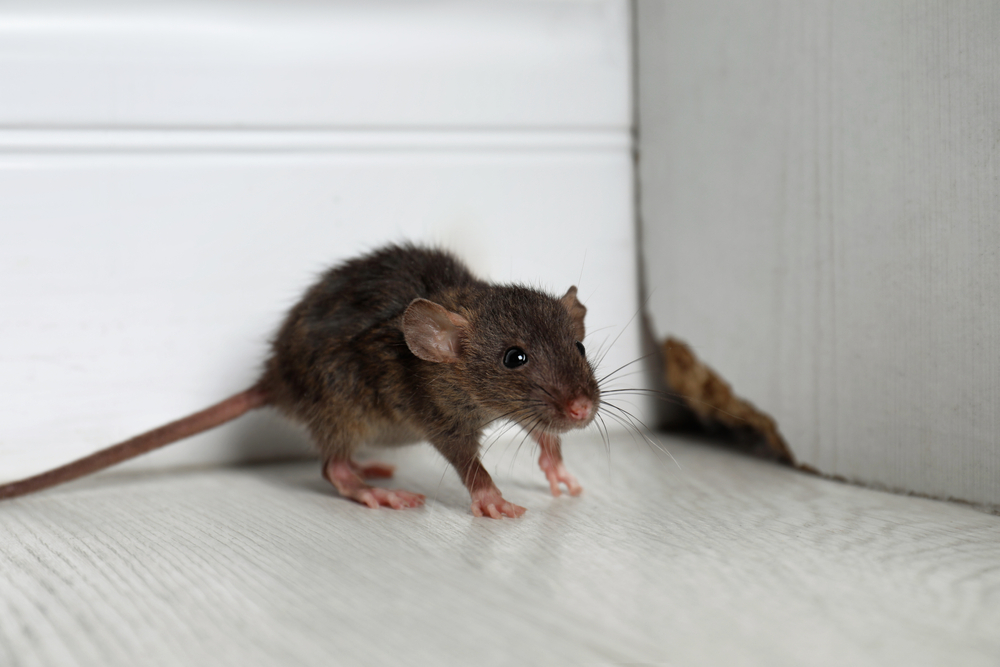
Shared kitchens, employee snacks, deliveries, recycling stations, and dozens of people moving through the same building can give office pests plenty of opportunities to find food and shelter. In Portland, months of wet weather can add moisture concerns around commercial buildings, while warmer, drier periods can change where insects and rodents look for resources.
The best approach to pest control for Portland offices is prevention built around sanitation, exclusion, monitoring, and prompt response when activity appears. Office managers should pay particular attention to break rooms, trash areas, storage spaces, plumbing penetrations, loading zones, and exterior entry points. A consistent Integrated Pest Management approach can address the conditions that attract pests while limiting unnecessary disruption to employees and daily operations.
What Local Office Managers Should Know
Shared kitchens and break rooms require consistent food storage and cleanup because even small amounts of crumbs, spills, and open food can support pest activity.
Portland’s wetter months make moisture management around roofs, plumbing, drains, foundations, and exterior walls especially important.
Offices in busy areas such as Downtown, the Pearl District, and the Central Eastside may have frequent deliveries and building traffic that create additional opportunities for pests to enter.
Pest sightings during business hours can indicate that an issue deserves closer investigation rather than simply removing the individual pest.
Prevention works best when employees, cleaning crews, property managers, and pest management professionals follow the same basic procedures.
Why Does Pest Prevention Matter for Portland Offices?
Pest prevention matters for Portland offices because shared commercial spaces combine food, water, shelter, deliveries, and frequent human activity in one building. A small sanitation or maintenance issue can affect multiple work areas, making early detection and coordinated prevention more practical than reacting after activity becomes widespread.
The National Weather Service describes the local climate as having most annual rainfall between October and May. That seasonal moisture makes it sensible for Multnomah County businesses to watch for plumbing leaks, poorly draining exterior areas, damp storage spaces, and gaps around building penetrations.
Modern office buildings can have vulnerabilities too. Drop ceilings, utility chases, shared walls, kitchens, floor drains, loading areas, and mechanical rooms may provide concealed travel routes or harborage.
Frost Integrated Pest Management helps local businesses address pest concerns through a prevention-focused approach. We look at the conditions supporting pest activity as well as the pest itself, so office managers can make informed decisions about monitoring, sanitation, exclusion, and treatment.
What Do Local Pest Management Practices Emphasize?
Local pest management practices emphasize prevention, monitoring, thresholds, appropriate control methods, and evaluation rather than relying on treatment alone. The Oregon Department of Agriculture describes Integrated Pest Management as a coordinated process that includes preventing pest problems, monitoring activity, selecting appropriate controls, and evaluating results.
The City of Portland also uses Integrated Pest Management principles in its own operations. For office environments, that framework is useful because pest pressure often involves multiple contributing factors.
Our field approach starts by asking practical questions. Where is activity occurring? What food or moisture is available? How could pests be entering? Are neighboring suites, common areas, dumpsters, landscaping, or deliveries contributing? Correcting those conditions can be an important part of controlling recurring problems.
How Can Pests Affect a Shared Workplace?
Pests can affect a shared workplace by disrupting employees, contaminating food areas, damaging materials, creating sanitation concerns, and consuming management time. Even limited activity can become difficult to track when multiple employees use the same kitchens, storage rooms, meeting areas, and waste stations.
An employee may notice ants near a coffee station while the actual food source is inside a cabinet. A mouse sighting near a workstation may trace back to an exterior opening or loading area. Flies around a kitchen can be associated with drains, organic buildup, trash, or another breeding source.
For offices near the Lloyd District, South Waterfront, Northwest District, or other dense commercial areas, pest prevention may also require coordination with building management because individual tenants do not always control exterior doors, utility spaces, waste areas, or neighboring suites.
What Are the Warning Signs of an Office Pest Problem?
Warning signs of an office pest problem include repeated sightings, droppings, damaged food packaging, unexplained odors, gnawing, insect trails, and activity around drains or waste areas. Recognizing these clues early can help a Portland office respond before pests spread into additional rooms.
Watch for:
Rodent droppings inside cabinets, along walls, beneath sinks, or in storage areas.
Gnaw marks on food packages, cardboard, wiring covers, or other materials.
Ant trails around windows, sinks, baseboards, break rooms, or exterior walls.
Small flies repeatedly appearing near drains, recycling, trash, or food preparation areas.
Cockroach activity around warm, dark, or moisture-prone areas.
Torn or disturbed packages in snack cabinets and supply closets.
Grease marks, nesting material, or unusual noises near walls and ceilings.
Repeated pest sightings after individual insects or rodents have already been removed.
When Should an Office Call a Pest Professional?
An office should call a pest professional when sightings repeat, rodents are suspected, the source cannot be identified, pests are spreading between rooms, or sanitation and maintenance corrections have not stopped the activity. Commercial properties also benefit from professional assessment when pest control could affect employees, customers, tenants, or shared building systems.
Staff can safely handle basic prevention such as cleaning spills, sealing food, emptying waste, reporting leaks, and documenting where pests appear.
DIY treatment becomes less appropriate when the pest is unidentified or the infestation involves concealed spaces. Random pesticide applications can fail to address the source and may complicate pest monitoring.
For a Portland workplace with multiple tenants or shared mechanical spaces, early coordination with property management can be particularly helpful.
What Commonly Causes Pest Problems in Local Offices?
Common office pest problems are usually caused by accessible food, moisture, entry points, clutter, waste handling, or pests arriving with incoming materials. Portland’s climate and mix of older and newer commercial buildings can make several of these factors relevant at the same property.
1. Food in shared spaces: Open snacks, crumbs beneath appliances, forgotten food in desks, and poorly sealed pantry items can attract ants, rodents, and stored-food pests.
2. Moisture: Leaking faucets, refrigerator drip pans, plumbing problems, condensation, and damp utility areas provide water that pests may use.
3. Exterior openings: Gaps beneath doors, damaged weather stripping, utility penetrations, and openings around foundations can provide access.
4. Trash and recycling: Overflowing containers and residue on cans, bottles, or food packaging can create attractive conditions.
5. Deliveries and storage: Cardboard boxes and incoming goods can move through loading areas into storage rooms before anyone notices pest evidence.
6. Clutter: Supplies stored tightly against walls can make inspection difficult and create undisturbed hiding places.
How Can Portland Offices Prevent Infestations?
Portland offices can prevent infestations by combining daily sanitation with routine inspections, moisture control, exterior maintenance, food-storage rules, and employee reporting. Prevention should continue throughout the year because changing weather and building activity can shift pest pressure rather than eliminate it.
During the wetter fall and winter period, inspect for leaks, water intrusion, deteriorated door seals, and damp storage areas. Before warmer weather, check exterior gaps, screens, doors, landscaping contact, and waste areas.
Inside the office:
Store food in sealed containers.
Clean coffee stations and break rooms daily.
Avoid leaving dishes in sinks overnight.
Empty food waste regularly.
Rinse recyclable containers when practical.
Keep storage organized and accessible for inspection.
Report leaks promptly.
Record pest sightings with the location and date.
Inspect deliveries when signs of pest activity are present.
Employees should not apply unapproved pesticides around shared work areas. Pest management decisions should account for the pest, location, exposure concerns, and underlying cause.
What Results Should an Office Expect From Professional Pest Management?
Professional pest management should provide clearer identification of the problem, targeted corrective recommendations, appropriate control measures, and a way to monitor results over time. The goal is not simply to remove visible pests but to reduce the conditions that allow recurring activity.
Results can depend on the pest, infestation level, building condition, neighboring spaces, sanitation practices, and how quickly maintenance issues are corrected. Some situations can improve quickly, while established activity may require follow-up monitoring and additional corrective work.
A strong program also gives office managers practical information they can share with cleaning teams, facilities staff, and employees.
What Mistakes Make Office Pest Problems Worse?
Common office pest control mistakes include treating individual sightings without investigating the source, overlooking employee food storage, and failing to coordinate with property management. These mistakes can allow activity to continue elsewhere in the building.
Mistake: Spraying every insect that appears. Consequence: The visible pest may disappear while the nest, breeding source, or entry point remains. Better approach: Identify the pest and investigate the conditions supporting it.
Mistake: Cleaning only the obvious surfaces. Consequence: Food residue can remain beneath refrigerators, vending machines, cabinets, and other equipment. Better approach: Include hidden edges and hard-to-reach areas in cleaning schedules.
Mistake: Ignoring one rodent sighting. Consequence: Additional activity or an entry point may go undiscovered. Better approach: Document the sighting and inspect for droppings, gnawing, openings, and other evidence.
Mistake: Treating one tenant suite in isolation. Consequence: Pests may continue moving through shared walls or common areas. Better approach: Coordinate with building management when evidence suggests a broader property issue.
What Is a Common Portland Office Pest Scenario?
A common Portland office pest scenario begins with occasional activity in a break room after employees have gone home. Food is stored in several cabinets, recycling accumulates near the kitchen, and a small plumbing leak or exterior opening goes unnoticed.
Removing the pests employees see may provide temporary relief, but activity can return if the food, water, or access point remains.
An IPM-based response would inspect the surrounding area, identify the pest, look for contributing conditions, improve sanitation or exclusion where needed, use appropriate control methods, and monitor the space afterward. This scenario can occur in offices throughout Downtown, the Central Eastside, and other parts of the metro area.
Which Pest Control Services Can Help Offices?
Commercial pest control services can help offices through inspection, identification, monitoring, exclusion recommendations, targeted treatments, and ongoing prevention based on the property’s needs. The appropriate service depends on the pest involved and the conditions found during inspection.
We can help businesses determine whether activity involves rodents, ants, cockroaches, flies, or other pests and identify practical next steps.
Should Offices Use DIY or Professional Pest Control?
DIY prevention works well for routine sanitation and maintenance, while professional pest control is more appropriate for recurring activity, difficult identification, rodents, concealed infestations, or problems involving multiple areas. The two approaches often work best together rather than as competing options.
Employees and facility teams control many everyday conditions, including food storage, cleaning, waste handling, and reporting maintenance problems. A professional can provide pest identification, targeted inspection, monitoring, treatment decisions, and recommendations for conditions that require correction.
For larger Portland offices, a defined pest management process can also reduce confusion over who should respond when someone reports activity.
What Areas Can Benefit From Office Pest Prevention?
Office pest prevention is relevant throughout Portland and neighboring communities where shared commercial spaces face similar sanitation, access, and building-maintenance challenges. Businesses in Multnomah County and nearby metro communities can benefit from consistent monitoring and prevention practices suited to their property.
What Can Happen When Office Pest Activity Is Ignored?
Ignoring office pest activity can allow a manageable problem to spread, increase cleanup and repair needs, and create additional disruption for employees or property managers. Waiting may also make it harder to determine where the original activity began.
Pests that have access to food, water, shelter, and concealed travel routes can continue using those resources until the underlying conditions change. Responding when warning signs are first noticed gives a business more information and more options.
Frequently Asked Questions About Pest Control for Portland Offices
What pests should Portland office managers watch for?
Portland office managers should watch for rodents, ants, cockroaches, flies, spiders, and pests associated with stored food. The specific risk varies by building and conditions. Break rooms, storage areas, loading zones, plumbing spaces, trash areas, and exterior entry points deserve particular attention because they frequently provide food, moisture, shelter, or access.
Does Portland’s rainy season affect office pest activity?
Portland’s rainy season can affect the conditions around commercial buildings by increasing moisture and changing where some pests seek shelter. The National Weather Service reports that most local annual rainfall occurs from October through May. Offices should use that period to pay extra attention to leaks, drainage, door seals, utility penetrations, and damp storage areas.
How often should an office be inspected for pests?
Office pest inspections should occur often enough to detect changes before they become established problems, but there is no single schedule that fits every property. Building size, food service, previous pest activity, waste handling, neighboring businesses, and structural conditions all matter. Higher-risk areas such as kitchens and trash stations should receive particularly consistent attention.
Are employee desks a pest-control concern?
Employee desks can become a pest-control concern when workers store open snacks, leave food waste behind, or allow crumbs and spills to accumulate. A clear workplace food policy can help. Encourage employees to keep snacks in sealed containers, remove perishable food, dispose of trash properly, and report pest sightings rather than attempting their own pesticide treatments.
What should a Portland business do after seeing a mouse?
A Portland business should document where and when the mouse was seen and arrange for the surrounding area to be inspected for droppings, gnawing, nesting material, food sources, and possible entry points. Simply removing one rodent does not establish whether additional activity exists, so inspection and monitoring are useful next steps.
Can office cleaning prevent every infestation?
Office cleaning cannot prevent every infestation, but good sanitation removes major resources that can help pests survive. Cleaning is most effective when combined with exclusion, moisture management, waste control, monitoring, and appropriate professional treatment when needed. Even a very clean Multnomah County office may experience activity if pests can enter through structural openings.
Why do ants keep returning to an office kitchen?
Ants can keep returning to an office kitchen when a colony remains active and workers continue finding food, water, or an accessible route indoors. Wiping away the visible trail may not address the source. Inspection can help identify where ants are traveling, what is attracting them, and which control strategy is appropriate.
Is Integrated Pest Management appropriate for shared workplaces?
Integrated Pest Management is well suited to shared workplaces because it emphasizes prevention, monitoring, appropriate treatment, and evaluation. Oregon’s Department of Agriculture describes IPM as a coordinated decision-making process that considers multiple control strategies. In an office, that can mean combining sanitation, maintenance, exclusion, monitoring, and targeted pest control instead of relying on routine spraying alone.
Keep Your Portland Workplace Focused on Work, Not Pests
Preventing office infestations takes cooperation between employees, cleaners, facilities teams, property managers, and pest professionals. With consistent sanitation, maintenance, monitoring, and a thoughtful IPM approach, businesses can reduce the conditions that allow pest problems to develop.
Protect Your Workplace With a Prevention-Focused Pest Plan
A proactive approach can help your team identify vulnerabilities early and respond to pest activity with less disruption.
A lush yard can be one of the best features of a Portland property, but some landscaping choices can unintentionally create food, moisture, shelter, and travel routes for pests. Dense shrubs, heavy mulch, overwatering, fallen fruit, and vegetation touching the structure can turn an attractive landscape into a convenient habitat for ants, rodents, and other unwanted visitors.
Landscaping attracts pests when it provides the three things they need most: food, water, and protected places to hide. In Portland, long wet periods, abundant vegetation, mature trees, organic debris, and irrigated planting beds can keep areas around foundations damp and sheltered. The goal is not to remove landscaping. It is to maintain it so pests have fewer reasons to settle near the building or move indoors.
What Local Property Owners Should Know
Dense shrubs and groundcover against a foundation can provide protected pathways that make pest activity harder to notice.
Portland’s wet season can keep shaded soil, mulch, leaf litter, and areas with poor drainage moist for extended periods.
Fallen fruit, birdseed, pet food, unsecured compost, and other outdoor food sources can attract rodents.
Mulch benefits landscapes when used properly, but excessive mulch or material piled against structures can provide moisture and shelter for pests.
Trimming vegetation, correcting moisture problems, removing food sources, and sealing building openings work best as part of an integrated pest management approach.
Why Do Landscaping Choices Matter for Pest Control in Portland?
Landscaping choices matter for pest control in Portland because the region’s mild, wet conditions can combine with dense vegetation and moisture-retaining materials to create favorable pest habitat close to buildings. A yard does not need to be neglected to have a pest problem. Even carefully maintained landscaping can create trouble when plants, water, and organic material are positioned poorly.
Western Oregon’s wetter months support lush landscapes, but moisture around structures can also encourage insects and other organisms that prefer damp environments. Oregon State University Extension notes that excessive mulch can create overly wet conditions and that organic mulch placed too close to buildings or woody plant bases can contribute to pest problems.
Properties around the West Hills and Forest Park may have especially dense vegetation nearby, while established neighborhoods such as Laurelhurst and Sellwood-Moreland often include mature trees and shrubs. In East Portland, larger planting areas, gardens, fruit trees, compost systems, or backyard animal feed can create different pest pressures.
Frost Integrated Pest Management helps property owners look beyond the pest itself to the conditions that may be supporting activity. We focus on identifying contributing factors so homeowners and businesses can make practical changes around the property.
Which Landscaping Features Commonly Attract Pests?
The landscaping features most likely to attract pests are those that provide persistent moisture, dense shelter, easy food, or direct access to a building. Several seemingly harmless yard features can become more attractive to pests when they are poorly positioned or maintained.
Common examples include:
Dense shrubs against exterior walls. Thick vegetation creates shaded, protected areas and can make inspection of the foundation difficult.
Heavy mulch next to the structure. Organic mulch retains moisture and can provide favorable hiding areas for insects and other pests.
Tree limbs touching the roof. Branches contacting a building can provide another route toward roofs, gutters, and upper portions of the structure.
Ivy and climbing vegetation. Dense vines can conceal gaps, cracks, and pest activity along exterior surfaces.
Overwatered planting beds. Irrigation leaks or unnecessary watering can keep soil close to the foundation consistently damp.
Fallen fruit and seeds. Food left beneath fruit trees or bird feeders can provide reliable feeding opportunities for rodents.
Open or poorly maintained compost. Accessible food scraps and organic material can attract animals searching for food or nesting opportunities.
How Can Mulch Contribute to Pest Problems?
Mulch can contribute to pest problems when it is applied too deeply, kept constantly wet, or piled directly against foundations, tree trunks, and shrub bases. Properly used mulch is valuable for soil and plants, but too much organic material in the wrong location can create protected, moisture-rich conditions.
Oregon State University Extension recommends maintaining organic mulch at reasonable depths and leaving space around tree trunks and shrub bases. Its guidance also notes that excessive mulch can encourage overly wet conditions and that some rodents, including voles, may take advantage of mulch for cover.
For Portland homeowners, the practical lesson is not to eliminate mulch. Instead, avoid treating the foundation edge like another heavily mulched garden bed. Keep the area visible enough that moisture problems, pest trails, openings, and other warning signs can be spotted.
Can Trees and Shrubs Give Pests a Route Into a Home?
Trees and shrubs can give pests an easier route toward a home when branches, vines, or dense foliage touch siding, roofing, windows, gutters, or other exterior surfaces. Keeping vegetation separated from the building also improves visibility, airflow, and access for routine inspections.
A mature tree canopy is common throughout Multnomah County, particularly in older residential areas. Those trees provide valuable shade and character, but overhanging branches should be monitored where they approach the roof.
Shrubs should also be maintained so exterior walls are not completely hidden. If you cannot easily see the siding or foundation behind a plant, detecting pest activity, water damage, or structural openings becomes more difficult.
What Landscaping Warning Signs Should Portland Homeowners Watch For?
Landscaping warning signs include persistent moisture, concealed foundation areas, rodent evidence, insect trails, and food sources accumulating around the yard. Catching these conditions early gives property owners a chance to remove attractants before pest activity becomes established indoors.
Watch for:
Soil or mulch that remains soggy near the foundation
Shrubs or vines touching siding, windows, or roofing
Gnaw marks, droppings, burrows, or worn pathways near vegetation
Ant trails moving between planting beds and the structure
Fallen fruit accumulating beneath trees
Birdseed collecting underneath feeders
Compost or garbage that appears disturbed
Gaps near crawl space vents, utility penetrations, doors, or other exterior openings
A single warning sign does not automatically mean there is an infestation. Several signs appearing together deserve closer attention.
Why Are Food Sources in the Yard a Problem?
Outdoor food sources can become a problem because rodents and other pests repeatedly return to locations where they can find reliable meals. Birdseed, pet food, fallen fruit, unsecured garbage, chicken feed, and accessible compost are among the yard features that may support ongoing rodent activity.
Oregon State University Extension specifically identifies birdseed, pet and chicken feed, kitchen scraps, fallen fruit, and unsecured garbage as potential rat food sources.
This is particularly relevant for Portland properties with backyard gardens, fruit trees, composting areas, bird feeders, or urban chicken setups. Removing food does not mean removing these features entirely. It means managing them so leftovers do not remain available overnight or accumulate on the ground.
How Can Property Owners Make Their Landscaping Less Attractive to Pests?
Property owners can make landscaping less attractive to pests by reducing excess moisture, eliminating easy food, thinning dense vegetation, managing mulch correctly, and maintaining separation between plants and the structure. These changes address pest-supporting conditions without requiring homeowners to strip their yards of healthy landscaping.
Start with a seasonal perimeter check:
Trim shrubs so exterior walls and the foundation remain visible.
Prune branches away from the roof where practical.
Remove unnecessary leaf piles, boards, clutter, and dense debris.
Pick up fallen fruit regularly.
Clean spilled seed beneath bird feeders.
Store animal feed securely.
Keep garbage containers closed.
Use contained composting methods when food scraps are present.
Check irrigation for leaks or overspray near the building.
Look for drainage areas that remain wet long after rainfall or watering.
Keep mulch from piling directly against structural materials.
During Portland’s wetter months, pay particular attention to drainage and persistent dampness. During the drier summer period, irrigation becomes an important factor because watering can create isolated moist areas that pests continue to use even when surrounding soil is dry.
When Should You Call a Pest Management Professional?
A professional pest inspection makes sense when activity continues after obvious landscaping attractants are corrected, pests are entering the structure, or you cannot identify the species or source of the problem. Professional identification is especially useful because effective pest management depends on knowing what is present and why it is there.
Property owners can safely handle routine pruning, sanitation, fallen-fruit cleanup, basic moisture monitoring, and other landscape maintenance. Pest management becomes more complicated when rodents appear indoors, insects repeatedly emerge from structural areas, nests are difficult to locate, or pest activity returns after DIY efforts.
We can evaluate the relationship between exterior conditions and indoor activity rather than focusing only on what is visible inside.
What Are the Most Common Landscaping Mistakes?
The most common landscaping mistakes involve creating unnecessary shelter, moisture, or food immediately around the structure. Correcting these conditions can make a property less inviting while preserving the plants and outdoor spaces residents value.
Mistake: Piling mulch against the foundation. Consequence: The area may remain damp and provide protected habitat. Better approach: Maintain mulch for plant health while keeping structural edges accessible for inspection.
Mistake: Allowing shrubs to completely cover exterior walls. Consequence: Pest activity and building openings become harder to see. Better approach: Prune vegetation to improve visibility and airflow.
Mistake: Leaving fallen fruit on the ground. Consequence: Rodents and other animals gain a recurring food source. Better approach: Collect ripe and fallen fruit frequently.
Mistake: Solving pest problems with pesticides alone. Consequence: The conditions attracting pests may remain unchanged. Better approach: Combine identification, sanitation, exclusion, habitat modification, monitoring, and targeted treatment when appropriate.
What Does a Common Local Pest Scenario Look Like?
A common local scenario begins with landscaping rather than an obvious indoor pest problem. A homeowner may have dense shrubs beside the house, deep bark mulch, a bird feeder nearby, and an irrigation line keeping one planting bed damp throughout the summer.
Small amounts of pest activity may first appear outdoors. Later, ants may begin foraging near an entry point, or signs of rodents may appear beneath vegetation or near a crawl space.
Removing food, thinning vegetation, correcting excess moisture, and identifying potential entry points changes the conditions supporting the activity. If pests are already established, those preventive measures can be combined with an appropriate control strategy.
How Does Integrated Pest Management Address Landscaping Problems?
Integrated pest management addresses landscaping problems by combining prevention, monitoring, identification, exclusion, habitat changes, and targeted controls instead of relying automatically on broad pesticide applications. This approach is particularly useful when the environment around a building is contributing to recurring pest activity.
Oregon State University Extension describes integrated pest management as an approach that uses multiple strategies to manage pests while reducing dependence on pesticides as the primary solution.
For local properties, that may mean identifying an ant species before treating, removing rodent food sources before setting controls, correcting moisture, trimming vegetation, sealing access points, and monitoring afterward.
Is DIY Landscaping Maintenance Enough, or Is Professional Pest Control Needed?
DIY landscaping maintenance is often enough to correct attractants, while professional pest management becomes appropriate when pests are already established, entering the building, repeatedly returning, or difficult to identify. The two approaches frequently work together rather than serving as alternatives.
Routine pruning, cleanup, irrigation adjustments, fruit collection, and sanitation are reasonable homeowner tasks. A professional inspection can add value when the source is unclear or when simply removing attractants has not stopped the activity.
Pest control without correcting environmental conditions can leave the original attraction in place. Landscaping changes without addressing an existing infestation may also fall short. Long-term management often requires both.
What Results Can Homeowners Expect After Correcting Landscaping Problems?
Homeowners can expect landscaping corrections to reduce favorable pest conditions rather than produce an instant guarantee that every pest will disappear. Removing shelter, moisture, food, and access points makes a property less supportive of pest activity and can improve the effectiveness of other control measures.
Some changes, such as removing spilled birdseed or fixing irrigation leaks, can eliminate an attractant immediately. Other improvements require continued maintenance as vegetation grows, leaves accumulate, fruit falls, and seasonal rainfall changes soil conditions.
Monitoring remains important after the initial cleanup.
What Areas Does Frost Integrated Pest Management Serve?
Our work is centered on Portland and surrounding communities where Pacific Northwest landscaping and seasonal moisture can contribute to pest activity. Property conditions vary considerably between dense urban neighborhoods, wooded residential areas, and nearby communities such as Gresham.
Local conditions matter because a pest problem near the Willamette River corridor may involve different property features than one near the wooded West Hills or a heavily landscaped suburban yard.
What Can Happen If Landscaping-Related Pest Conditions Are Ignored?
Ignoring landscaping-related pest conditions can allow food, water, shelter, and entry opportunities to remain available for months or years. That does not guarantee an infestation, but persistent attractants can make recurring pest activity more difficult to resolve.
Dense vegetation can also conceal openings and warning signs until pests are already moving between the landscape and the building.
The most practical approach is to treat landscaping as part of the property’s pest-defense system. Periodic trimming, sanitation, moisture correction, exclusion, and inspection are generally easier to manage than waiting until outdoor activity becomes an indoor problem.
Reduce the Conditions That Keep Bringing Pests Back
Mulch can contribute to pest-friendly conditions in Portland when it is excessively deep, constantly damp, or piled directly against structures. Mulch itself is useful for landscaping, so removal is not usually the goal. Proper depth, reasonable moisture, and separation from vulnerable structural areas can help reduce unwanted shelter.
What plants attract rodents around Portland homes?
Plants do not automatically attract rodents, but dense vegetation and fruit-producing plants can provide shelter or food if they are poorly maintained. Around Portland homes, fallen fruit, thick groundcover, overgrown shrubs, and vegetation surrounding food sources may create especially favorable conditions. Regular cleanup and pruning can reduce those opportunities.
Should shrubs touch my house?
Shrubs are better kept from pressing directly against the house because separation improves airflow, visibility, and inspection access. Property owners should be able to see important portions of the exterior and foundation. Dense growth against a Portland home can conceal pest activity, openings, moisture problems, and other conditions that deserve attention.
Can bird feeders attract rats in Portland?
Yes, bird feeders can attract rats when seed regularly falls onto the ground and becomes an accessible food source. Oregon State University Extension recommends keeping birdseed off the ground as part of rodent prevention. Portland residents who enjoy feeding birds can reduce risk by controlling spills and routinely cleaning beneath feeders.
Can compost attract rodents in Multnomah County?
Compost can attract rodents when accessible food scraps or other edible material are available. A contained, well-managed compost system is less inviting than an open pile containing kitchen waste. Multnomah County property owners should also look at nearby food sources, vegetation, garbage, fruit, and animal feed rather than assuming compost is the only cause.
Does Portland’s rainy weather make landscaping pest problems worse?
Portland’s prolonged wet periods can keep shaded soil, organic debris, mulch, and poorly drained planting beds damp, creating conditions preferred by some pests. Rain alone does not cause an infestation. Problems are more likely when persistent moisture combines with shelter, food, vegetation, or openings that give pests access to a structure.
How far should landscaping be kept from a foundation?
There is no single spacing rule that fits every plant and property, but landscaping should allow reasonable airflow, inspection access, and visibility along the building. The practical goal is to prevent plants and organic materials from remaining continuously pressed against exterior surfaces while giving mature plants enough room to grow appropriately.
When should I schedule a pest inspection in Portland?
Schedule an inspection when you see repeated pest activity, droppings, gnawing, unexplained insect trails, indoor pests, or evidence near crawl spaces and exterior openings. An inspection is also useful when removing obvious landscaping attractants does not resolve the problem or when you are unsure which pest is present.
Make Your Portland Landscape Less Inviting to Pests
Healthy landscaping and effective pest prevention can work together. By managing vegetation, moisture, mulch, food sources, and exterior access points, property owners can preserve attractive outdoor spaces while reducing conditions that encourage unwanted pest activity.
Frost Integrated Pest Management can help identify how exterior conditions may be contributing to pest pressure and determine practical next steps for your property.
Portland restaurants face pest pressures that can change with the season, the building, and even the activity in the surrounding neighborhood. Rainy stretches, shared commercial spaces, food deliveries, waste areas, and older buildings can all create opportunities for rodents, flies, cockroaches, ants, and other pests.
For restaurant owners and managers, pest control is not simply about reacting when something appears. It is about protecting food, maintaining sanitary conditions, limiting business disruption, and preventing small pest pressures from becoming larger problems.
What Does Effective Pest Control for Portland Restaurants Involve?
Effective pest control for Portland restaurants combines routine inspections, sanitation, exclusion, monitoring, and targeted treatment when needed. The goal is to identify what is attracting or allowing pests into the building, correct those conditions where possible, and monitor areas where pest activity is most likely to develop.
What local restaurant operators should know:
Kitchens, storage rooms, dumpsters, floor drains, and delivery areas should all be considered when evaluating pest pressure.
Portland’s wet climate can increase moisture around commercial properties and provide conditions that support certain pests.
Older commercial buildings in areas such as Downtown, the Pearl District, and inner Southeast Portland may have gaps, penetrations, or shared spaces that complicate pest prevention.
Regular monitoring can reveal activity before customers encounter a visible pest problem.
Pest management works best when restaurant staff and pest professionals address sanitation, access points, and pest activity together.
Why Does Pest Control Matter for Portland Restaurants?
Pest control matters for Portland restaurants because food businesses provide many of the things pests seek, including food, water, warmth, shelter, and protected nesting areas. Dense commercial districts can add another challenge because pests may move between neighboring buildings, utility areas, alleys, waste zones, and other connected spaces.
Conditions can also vary considerably across the city. A restaurant near the Willamette River may have different exterior pressures than a neighborhood establishment in Sellwood-Moreland or Alberta. Restaurants operating in older mixed-use buildings may also share walls, utility penetrations, basements, or waste areas with other businesses.
Frost Integrated Pest Management helps restaurant operators address pest activity with an integrated approach. We look beyond the visible pest to consider access, food sources, moisture, harborage, and other conditions that may contribute to recurring problems.
What Do Local Conditions Tell Us About Restaurant Pest Pressure?
Local conditions suggest that Portland restaurants should treat pest prevention as an ongoing operational responsibility rather than a one-time response. The region’s wet seasons, mild periods, dense commercial corridors, and mix of older and newer buildings can create changing pest pressures throughout the year.
From a pest management perspective, moisture deserves particular attention. Leaking plumbing, wet floor drains, condensation, exterior drainage issues, and damp storage areas can support pest activity. Restaurant operations also create frequent movement through doors and loading areas, giving pests additional opportunities to enter.
These conditions do not mean every restaurant will experience the same pest problem. They do mean routine inspection and monitoring are valuable for identifying vulnerabilities specific to each property.
How Can Pests Affect a Local Restaurant?
Pests can affect a restaurant through food contamination concerns, damaged products, staff disruption, sanitation problems, and negative customer experiences. Even limited visible activity can become significant when it occurs in a dining room, food preparation area, storage space, or other customer-facing environment.
For Portland restaurant operators, reputation is especially important in neighborhoods with concentrated dining options such as the Pearl District, Downtown, Hawthorne, and Division. Customers have choices, and a visible pest can quickly undermine confidence in an otherwise well-run establishment.
Pest activity can also create hidden costs through discarded ingredients, damaged packaging, additional cleaning, staff time, and emergency service needs.
What Are the Warning Signs of a Restaurant Pest Problem?
Warning signs of a restaurant pest problem include droppings, damaged food packaging, unusual odors, live or dead insects, gnaw marks, nesting materials, and repeated activity around drains or waste areas. Staff should report these signs promptly rather than waiting for the problem to become more visible.
Watch for:
Droppings in storage rooms, beneath equipment, or along walls.
Gnawing or holes in food packaging and cardboard boxes.
Cockroaches or other insects seen when equipment is moved or lights are turned on.
Small flies repeatedly appearing around drains, sinks, bars, or beverage stations.
Grease marks, rub marks, or signs of rodent travel along walls.
Nesting material in secluded storage or utility areas.
Pest activity around dumpsters, grease storage, loading areas, or exterior doors.
Repeated sightings even after cleaning and sanitation efforts.
When Should a Portland Restaurant Call a Pest Professional?
A Portland restaurant should call a pest professional when there is confirmed pest activity, repeated sightings, evidence of rodents or cockroaches, unexplained contamination, or a problem that continues despite sanitation efforts. Professional evaluation is also useful when operators cannot determine where pests are entering or nesting.
Restaurant employees can safely monitor sanitation, keep food properly stored, clean spills, report pest evidence, and check doors for obvious gaps. Treatment decisions, identification of persistent infestations, and pest activity in difficult-to-access building areas are better addressed by a trained pest professional.
Early attention can also make it easier to address contributing conditions before activity spreads.
What Commonly Causes Pest Problems in Portland Restaurants?
The most common restaurant pest problems develop when pests gain access to reliable food, moisture, or shelter. In Portland, building conditions and restaurant operations can combine to create several recurring vulnerabilities.
1. Openings around the building: Gaps beneath doors, utility penetrations, damaged screens, and openings around pipes can provide entry points.
2. Food and grease buildup: Crumbs, spills, grease, and residue beneath equipment can provide food in places routine surface cleaning may miss.
3. Moisture: Plumbing leaks, floor drains, condensation, and persistently damp areas can support insects and other pests.
4. Waste handling: Overflowing containers, residue around dumpsters, and poorly maintained waste areas can attract pests outside the restaurant.
5. Deliveries and storage: Cardboard boxes, food shipments, pallets, and other incoming materials can introduce pests or provide hiding places.
6. Shared buildings: Restaurants in mixed-use or multi-tenant properties may face pest movement from adjoining spaces.
How Can Restaurants Prevent Pest Problems?
Restaurants can prevent many pest problems by combining daily sanitation with routine building checks, proper food storage, waste management, and professional monitoring. Prevention should cover the entire property rather than focusing only on the kitchen.
Keep ingredients in appropriate containers, clean beneath and behind equipment, and address spills promptly. Inspect exterior doors and weather stripping, especially around receiving areas. Keep dumpsters and waste zones as clean as practical, and avoid allowing unnecessary clutter to accumulate in storage rooms.
During Portland’s wetter months, pay additional attention to moisture. Check plumbing areas, drains, exterior drainage, and locations where water may persist.
DIY efforts should focus on sanitation, organization, and basic monitoring. If pest activity is established or recurring, professional identification and treatment can help avoid ineffective approaches.
What Results Should Restaurant Operators Expect From Professional Pest Management?
Restaurant operators should expect professional pest management to focus on identifying pest activity, locating contributing conditions, applying appropriate control measures, and monitoring results over time. The exact process depends on the pest, building, severity of activity, and conditions found during inspection.
Some problems may improve after sanitation or exclusion issues are corrected. Others require continued monitoring and targeted service because pest pressure can originate from exterior areas or neighboring spaces.
Integrated pest management is particularly useful in food-service environments because it emphasizes prevention and correcting conditions alongside treatment.
What Pest Control Mistakes Should Restaurants Avoid?
Common pest control mistakes include waiting for repeated sightings, relying only on surface cleaning, and treating visible pests without addressing why they are present.
Mistake: Ignoring a single sighting. Consequence: Visible activity may represent a larger issue in a hidden area. Better approach: Document the sighting and inspect the surrounding space.
Mistake: Focusing only on the dining room. Consequence: Storage rooms, drains, kitchens, and waste areas may continue supporting activity. Better approach: Evaluate the entire property.
Mistake: Treating without correcting access or sanitation issues. Consequence: Pest pressure may return. Better approach: Combine control with exclusion, sanitation, and monitoring.
Mistake: Leaving staff out of the process. Consequence: Early warning signs may go unreported. Better approach: Establish a simple procedure for employees to report pest evidence.
What Is a Common Local Restaurant Pest Scenario?
A common local scenario is a restaurant that notices occasional pest activity near a rear service or storage area but sees little or nothing in the dining room. The temptation is to treat the visible area and assume the problem is resolved.
A broader inspection may need to consider the exterior door, nearby waste area, food storage practices, plumbing penetrations, moisture, and spaces beneath equipment. In a dense Portland commercial area, neighboring units and shared structural features may also matter.
This is why finding and addressing contributing conditions is often more useful than responding only to the pest that happened to be seen.
Which Pest Control Services Can Help Restaurants?
Restaurant pest control services can help through inspection, monitoring, identification, exclusion recommendations, targeted treatment, and ongoing pest management based on conditions at the property. The appropriate strategy depends on whether the concern involves rodents, cockroaches, flies, ants, or another pest.
At Frost Integrated Pest Management, we can evaluate the restaurant environment and develop pest management recommendations around the conditions we find.
Should Restaurants Use DIY or Professional Pest Control?
DIY prevention is useful for sanitation, storage, maintenance checks, and reporting, while professional pest control is better suited to established or recurring pest activity. Restaurant operators should view the two approaches as complementary rather than interchangeable.
Staff members are essential for maintaining clean workspaces, managing food and waste, and noticing early warning signs. A pest professional can identify species, investigate entry points and harborage, recommend corrective measures, and determine appropriate control methods.
For a food-service business, a structured prevention program is generally more useful than repeatedly reacting to individual sightings.
What Areas Around Portland Can Restaurant Pest Management Support?
Restaurant pest management can be relevant throughout Portland, including Downtown, the Pearl District, Alberta, Hawthorne, Division, and Sellwood-Moreland, as well as surrounding parts of Multnomah County. Building type, neighboring properties, waste handling, and surrounding conditions can influence the pest pressures each location experiences.
Restaurants in nearby communities may face many of the same food-service pest challenges.
What Can Happen If a Restaurant Ignores Pest Activity?
Ignoring pest activity can allow a manageable issue to spread into food storage, preparation areas, walls, utility spaces, or customer-facing parts of the restaurant. Delays can also increase the amount of cleaning, product disposal, investigation, and corrective work required.
A restaurant does not need to wait for widespread activity before taking action. Documenting signs, improving sanitation, correcting obvious access points, and requesting professional evaluation can reduce uncertainty and help management respond appropriately.
Frequently Asked Questions About Portland Restaurant Pest Control
What pests should Portland restaurants watch for?
Portland restaurants should watch for rodents, cockroaches, flies, ants, and other pests attracted to food, water, waste, or shelter. The pests present can vary by property and season, so accurate identification matters. Monitoring kitchens, storage rooms, drains, loading areas, and waste zones can help detect activity earlier.
How often should a Portland restaurant be checked for pests?
A Portland restaurant should monitor for pests routinely, but the appropriate professional service frequency depends on the property, pest pressure, operating conditions, and previous activity. Restaurants with recurring pest issues or significant exterior pressures may need more frequent attention than locations with few identified vulnerabilities.
Does Portland’s rainy weather contribute to pest problems?
Portland’s rainy weather can contribute to conditions that support some pest activity, particularly when moisture accumulates around a building or indoors. Leaks, drains, damp storage areas, and exterior water management deserve attention. Weather is only one factor, however, and food availability, shelter, sanitation, and entry points also matter.
Are older Portland restaurant buildings more vulnerable to pests?
Older Portland restaurant buildings can have pest vulnerabilities when aging doors, utility penetrations, cracks, basements, or shared structural spaces create access and shelter. Age alone does not determine whether a building will have pests. Regular inspection and maintenance can help identify specific openings or conditions that need attention.
Can restaurant employees handle pest prevention themselves?
Restaurant employees can handle important preventive tasks such as sanitation, food storage, waste management, basic building checks, and reporting pest evidence. Established infestations, repeated activity, uncertain pest identification, or problems involving hidden areas should be evaluated professionally so the response can address the source rather than only visible symptoms.
Why do small flies keep appearing around restaurant drains?
Small flies around restaurant drains may indicate organic buildup, moisture, or another breeding source nearby. Simply eliminating visible adult flies may not resolve the underlying issue. The specific fly should be identified, and drains, beverage areas, plumbing, and other moist locations should be evaluated to find potential breeding conditions.
What should a Portland restaurant do after seeing a rodent?
A Portland restaurant should document where and when the rodent was seen, inspect nearby areas for droppings or damage, secure exposed food, review sanitation, and arrange professional evaluation when warranted. Doors, wall penetrations, storage areas, waste zones, and other potential travel routes should also be checked.
Can pests move between neighboring Portland businesses?
Yes, pests can move between neighboring businesses when buildings share walls, utility pathways, structural openings, alleys, or exterior pest pressures. This can make pest management more complicated in dense commercial areas. A restaurant may need to address vulnerabilities within its own space even when some pest pressure originates elsewhere.
Protect Your Restaurant With a Proactive Pest Management Plan
Restaurant pest management works best when prevention, monitoring, sanitation, exclusion, and appropriate treatment work together. For Portland food-service businesses, staying alert to changing building and seasonal conditions can help protect food, customers, daily operations, and the reputation the restaurant has worked to build.
Protect Your Portland Restaurant From Preventable Pest Problems
We help restaurant operators identify pest pressures and take practical steps toward a cleaner, better-protected food-service environment.
Planning a vacation should be exciting, not stressful. The last thing any homeowner wants is to come home to ants in the kitchen, rodents in the garage, or wasps building nests around the front door. In Portland, OR, mild temperatures and seasonal moisture allow many pests to stay active while homes sit empty, making a little preparation before you leave well worth the effort.
Quick Answer
The best way to pest-proof your home before leaving for vacation is to eliminate food and water sources, seal common entry points, remove outdoor attractants, and inspect your property for signs of pest activity. Taking these steps before you leave can reduce the chances of returning to an unexpected pest problem.
What Local Readers Should Know
Empty indoor trash, clean food preparation areas, and store pantry items in sealed containers before leaving.
Portland’s mild climate allows ants, rodents, spiders, and moisture-loving pests to remain active throughout much of the year.
Homes near Forest Park, the Willamette River, or heavily wooded neighborhoods may experience increased wildlife and rodent activity.
Simple maintenance tasks like trimming vegetation and checking door seals can help keep pests outside while you’re away.
Scheduling a professional pest inspection before an extended trip can help identify issues that are easy to overlook.
Why This Matters Locally
Pest activity does not stop just because you’re on vacation. Portland’s wet winters, moderate summers, and abundant vegetation create favorable conditions for many common household pests. Older homes throughout neighborhoods like Laurelhurst, Sellwood, and Irvington may also have small gaps around foundations, siding, or utility penetrations that provide easy access for insects and rodents.
At Frost Integrated Pest Management, we regularly help local homeowners prevent pest problems before they become larger infestations. Preparing your home before a trip is one of the simplest ways to reduce risk while protecting your property.
Local Field Observations
Professional field observations consistently show that unoccupied homes become more attractive to pests when food, moisture, or shelter are easily available. During warmer months throughout Multnomah County and nearby communities such as Beaverton, Gresham, and Lake Oswego, ants and spiders often become more noticeable. As temperatures cool, rodents frequently begin searching for warm indoor spaces.
Even a week away can give pests enough time to establish themselves if conditions are favorable.
How Vacation Can Increase Pest Activity
Leaving your home unattended can create opportunities for pests that normally would not exist.
Common factors include:
Full garbage cans left indoors or outdoors
Pet food left accessible
Standing water in sinks, plant trays, or clogged gutters
Overgrown landscaping touching the home
Unsealed doors, windows, or garage openings
Reduced household activity that would normally disturb pests
Small issues that seem harmless before leaving can become much larger by the time you return.
Warning Signs to Check Before You Leave
Inspecting your home before vacation can help you catch problems early.
Look for:
Small gaps around doors or windows
Rodent droppings in garages, attics, or crawl spaces
Ant trails along baseboards or kitchen counters
Wasp nests forming under eaves or decks
Spider webs accumulating around entry points
Moisture around plumbing fixtures
Chewed food packaging inside pantries
Finding any of these signs before your trip gives you an opportunity to address the problem before pests become established.
When to Call a Professional
Minor housekeeping and maintenance tasks are safe for most homeowners to handle themselves. However, visible rodent activity, recurring ant infestations, termite concerns, or multiple wasp nests should be professionally evaluated before leaving for an extended vacation.
Professional inspections can also identify hidden entry points that are difficult to spot during a routine walkthrough.
Common Causes of Vacation Pest Problems
Several local conditions increase the likelihood of pest activity while homes are vacant.
1. Easy Food Sources
Open pantry items, overflowing trash, dirty dishes, and pet food provide everything many insects and rodents need.
2. Moisture
Portland’s frequent rainfall can contribute to damp crawl spaces, overflowing gutters, and excess moisture around foundations, all of which attract certain pests.
3. Landscaping
Branches touching the roof, dense shrubs against siding, and overgrown vegetation provide bridges directly to your home.
4. Entry Points
Small cracks around utility lines, weatherstripping, vents, and garage doors often become access points for mice and insects.
5. Seasonal Changes
As temperatures fluctuate throughout the Pacific Northwest, pests naturally search for stable indoor environments.
Prevention and Maintenance
Preparing your home before vacation does not require complicated projects.
A practical checklist includes:
Empty all indoor trash.
Clean kitchen counters and floors.
Store dry foods in sealed containers.
Repair damaged door sweeps.
Close crawl space and attic access points.
Trim vegetation several inches away from exterior walls.
Remove standing water from outdoor containers.
Ask a trusted neighbor to collect mail and monitor the property.
Schedule preventive pest service if your home has experienced recurring pest activity.
These simple steps reduce many of the conditions pests rely on.
What You Can Expect From Preventive Pest Service
Professional preventive pest management focuses on identifying vulnerabilities before pests become established. Depending on your home’s needs, this may include inspecting entry points, monitoring pest activity, recommending exclusion improvements, and treating areas where pests commonly enter.
Preventive service cannot eliminate every possibility, but it often reduces the conditions that allow infestations to develop while a home is vacant.
Common Mistakes Homeowners Make
Mistake: Leaving pet food out while away. Consequence: Ants, rodents, and other pests gain an easy food source. Better Approach: Store food securely and arrange for fresh feeding only when someone visits the home.
Mistake: Ignoring small foundation gaps. Consequence: Rodents and insects may enter while the home is empty. Better Approach: Seal accessible openings before leaving.
Mistake: Forgetting outdoor maintenance. Consequence: Overgrown vegetation creates direct pathways to the home. Better Approach: Trim plants and remove yard debris before your trip.
Mistake: Waiting until after vacation to address existing pest issues. Consequence: Small infestations may become significantly larger. Better Approach: Schedule an inspection before departure.
Common Local Scenario
A Portland homeowner leaves for a two-week summer vacation with overflowing recycling, tree branches resting against the roofline, and a small gap beneath the garage door. During their absence, rodents discover the opening while ants locate food residue left in the kitchen. By the time the homeowner returns, what began as minor vulnerabilities has developed into multiple pest issues that require professional treatment.
Situations like this are preventable with a little preparation before traveling.
Related Service Solutions
Vacation preparation is an excellent time to evaluate your home’s overall pest protection.
Provides recommendations tailored to your property
Best for routine prevention
Ideal for recurring or higher-risk pest concerns
Many homeowners benefit from combining both approaches.
Service Areas
We proudly help homeowners throughout Portland as well as nearby communities including Beaverton, Gresham, Hillsboro, Lake Oswego, Tigard, and surrounding areas throughout the region.
Local knowledge allows us to recommend prevention strategies that match the area’s seasonal pest activity and environmental conditions.
The Cost of Ignoring the Issue
Leaving a home unprepared can allow pests to establish nests, contaminate food, damage insulation, chew wiring, or create cleanup work that could have been avoided. Addressing small issues before vacation is typically easier than dealing with an active infestation afterward.
How far in advance should I prepare my Portland home before vacation?
Yes. Ideally, complete your pest prevention checklist several days before leaving so you have time to correct any issues you discover, including sealing entry points or scheduling professional service if needed.
Are rodents active during the summer in Portland?
Yes. Rodents remain active throughout the year in Portland, although seasonal weather changes may influence where they search for food, water, and shelter.
Should I have my home treated before leaving for vacation?
It depends. If you’ve experienced recurring pest problems or noticed recent activity, a professional inspection before your trip can help reduce the likelihood of returning to an infestation.
Does Portland’s rainy weather affect pest activity?
Yes. Moisture encourages many insects and can also create favorable conditions around foundations, crawl spaces, and landscaping where pests thrive.
Can landscaping attract pests while I’m away?
Yes. Shrubs against siding, tree branches touching the roof, and heavy ground cover provide shelter and easy access for many common pests.
Is it safe to leave bait or traps while I’m on vacation?
Sometimes. The safest approach depends on the type of pest, the product being used, and whether children or pets have access to the area. Professional guidance can help determine the most appropriate solution.
Protect Your Home Before You Travel
A little preparation before vacation can go a long way toward preventing unwanted surprises when you return home. By reducing food sources, sealing entry points, and addressing existing pest concerns, homeowners throughout the Portland area can leave with greater peace of mind.
Enjoy Your Vacation Knowing Your Home Is Better Protected
Portland homeowners often enjoy lush landscapes, mature trees, and beautiful gardens, but those same features can also create ideal conditions for unwanted pests. With the city’s wet winters, mild temperatures, and abundant greenery, preventing pest problems naturally is often easier and more effective than dealing with an infestation after it begins.
Quick Answer
Eco-friendly pest prevention focuses on reducing the conditions that attract pests rather than relying on routine chemical treatments. By managing moisture, sealing entry points, maintaining landscaping, and practicing good sanitation, homeowners can significantly reduce pest activity while protecting their families, pets, and the local environment.
What Local Readers Should Know
Portland’s rainy climate creates ideal conditions for moisture-loving pests such as ants, termites, slugs, and moisture-dependent insects.
Regularly cleaning gutters and improving drainage helps reduce standing water that attracts mosquitoes and other pests.
Homes in neighborhoods like Sellwood-Moreland, Alberta Arts District, Laurelhurst, and St. Johns often have mature landscaping that requires proactive pest prevention.
Eco-friendly prevention works best when small issues are addressed before they become larger infestations.
Seasonal inspections are especially valuable before the rainy fall season and after winter when pest activity begins increasing.
Why This Matters Locally
Eco-friendly pest prevention is especially effective because it addresses the conditions common throughout the Portland metro area. Heavy rainfall in Multnomah County, shaded yards, aging homes, and dense vegetation all create environments where pests can thrive. Properties near Forest Park, the Willamette River, and other green spaces may experience increased wildlife and insect activity throughout the year.
At Frost Integrated Pest Management, we believe the most effective pest control begins with prevention. Rather than simply reacting to pest problems, we help homeowners identify conditions that encourage pests and recommend practical, environmentally responsible solutions that fit the unique challenges of local properties.
Local Data and Field Observations
Professional field observations consistently show that moisture management is one of the most important factors in preventing pest problems throughout the Portland area. Extended wet seasons contribute to increased activity from ants, termites, earwigs, and other moisture-seeking pests. Guidance from Oregon State University Extension Service also emphasizes integrated pest management practices that prioritize prevention, monitoring, and targeted solutions before chemical treatments become necessary.
Local Impact
Eco-friendly prevention benefits more than just your home. It helps reduce unnecessary pesticide exposure, protects beneficial insects, and minimizes risks to pets and children. Preventing infestations early can also reduce repair costs associated with termites, rodents, carpenter ants, and moisture-related structural damage.
Many Portland neighborhoods feature older homes with crawl spaces, wood siding, and mature landscaping. Without regular maintenance, these characteristics can create attractive shelter for pests that gradually move indoors.
Warning Signs
You may benefit from preventive pest management if you notice:
Small ant trails appearing inside the kitchen or bathrooms.
Excess moisture around your foundation or crawl space.
Wood mulch touching your home’s siding.
Tree branches making contact with the roof.
Rodent droppings in garages, attics, or storage areas.
Damaged weather stripping around doors or windows.
Standing water after heavy rainfall.
Increased insect activity around outdoor lighting.
When to Call a Professional
Professional assistance becomes important when pests repeatedly return despite preventive efforts or when signs suggest structural damage or hidden nesting areas.
Homeowners can safely:
Trim vegetation away from the home.
Store firewood off the ground and away from the foundation.
Seal small exterior gaps.
Keep food and garbage properly contained.
Monitor for changes in pest activity.
A professional inspection is recommended if you suspect termites, hear rodents inside walls, discover wasp nests in difficult locations, or notice recurring infestations that continue despite maintenance.
Common Local Causes
Several local conditions commonly contribute to pest problems.
1. Excess Moisture
Frequent rainfall creates damp environments that attract termites, carpenter ants, earwigs, and other moisture-loving pests.
2. Dense Landscaping
Beautiful shrubs, ivy, and ground cover can provide easy pathways for insects and rodents to reach homes.
3. Older Construction
Many Portland homes contain aging foundations, crawl spaces, or small structural gaps that allow pests inside.
4. Food Sources
Outdoor pet food, overflowing compost bins, bird seed, and unsecured garbage can attract rodents and wildlife.
5. Seasonal Changes
Spring and fall often bring increased pest movement as insects begin nesting or seek shelter before colder weather.
Prevention and Maintenance
Eco-friendly pest prevention begins with consistent maintenance throughout the year.
Helpful practices include:
Clean gutters before the rainy season.
Improve drainage around foundations.
Repair leaking faucets and irrigation systems.
Keep mulch several inches away from siding.
Trim shrubs and tree branches away from the roof.
Seal foundation cracks and utility penetrations.
Store firewood at least twenty feet from the home whenever possible.
Schedule routine inspections before pest activity becomes severe.
DIY maintenance works well for reducing attractants, but recurring infestations should be professionally evaluated to identify hidden entry points or nesting locations.
Expected Results
Eco-friendly prevention does not eliminate every insect outdoors, nor should it. Instead, homeowners can expect fewer indoor pest problems, reduced reliance on chemical treatments, and a healthier balance between protecting the home and preserving beneficial insects.
Results improve when preventive maintenance is performed consistently throughout the year.
Common Mistakes
Mistake: Waiting until pests become visible indoors.
Consequence: Infestations often become larger and more expensive to address.
Better Approach: Schedule inspections and correct conditions before pests establish themselves.
Mistake: Applying store-bought pesticides without identifying the pest.
Consequence: Treatments may miss the source while affecting beneficial insects.
Better Approach: Identify the pest and focus on removing attractants first.
Mistake: Ignoring moisture issues.
Consequence: Damp conditions encourage termites, ants, and mold.
Better Approach: Repair leaks promptly and improve drainage around the home.
Common Local Scenario
A homeowner notices a few ants entering through the kitchen each spring. Rather than immediately relying on repeated pesticide applications, they improve drainage near the foundation, trim vegetation touching the home, seal small entry gaps, and eliminate moisture around outdoor faucets. These preventive measures significantly reduce recurring ant activity while minimizing chemical use.
Related Service Solutions
Integrated pest management combines inspection, monitoring, habitat modification, exclusion, and targeted treatments only when necessary.
Depending on the situation, homeowners may benefit from:
Addresses root causes with customized prevention strategies
Requires periodic inspections and ongoing maintenance
Service Areas
We proudly serve homeowners throughout Portland as well as nearby communities including Beaverton, Gresham, Lake Oswego, Tigard, Hillsboro, and surrounding areas throughout the greater Portland metro region.
Cost of Ignoring the Issue
Delaying preventive maintenance allows small pest issues to become larger infestations. Rodents can damage insulation and wiring, termites can compromise structural wood, and recurring moisture problems can encourage ongoing pest activity. Addressing these conditions early is typically simpler and less disruptive than managing established infestations.
Is eco-friendly pest prevention effective in Portland?
Yes. Eco-friendly pest prevention is highly effective in Portland because it focuses on reducing moisture, eliminating food sources, sealing entry points, and modifying habitats that commonly attract local pests.
What pests are most common in Portland homes?
Common household pests include ants, rodents, spiders, termites, earwigs, moisture-loving insects, and occasional stinging insects depending on the season and surrounding landscape.
How often should Portland homeowners schedule pest inspections?
Most homeowners benefit from an annual inspection, while homes with previous pest issues, mature landscaping, or significant moisture concerns may benefit from more frequent evaluations.
Does integrated pest management reduce pesticide use?
Yes. Integrated pest management prioritizes inspection, monitoring, prevention, and targeted treatments, helping reduce unnecessary pesticide applications whenever practical.
Are older Portland homes more vulnerable to pests?
Yes. Older homes may contain aging wood, crawl spaces, foundation gaps, and weathered building materials that provide easier access for insects and rodents.
What landscaping changes help prevent pests?
Keeping vegetation trimmed away from structures, improving drainage, reducing excess mulch near foundations, and removing yard debris all help reduce pest activity naturally.
Can moisture really increase pest activity?
Yes. Persistent moisture creates ideal conditions for termites, carpenter ants, and many insects that depend on damp environments for survival.
When is the best time for preventive pest maintenance in Portland?
Spring and early fall are excellent times to inspect the property, address moisture concerns, seal entry points, and prepare for seasonal pest activity before infestations develop.
Closing
Preventing pests naturally starts with understanding the unique environmental conditions around your home. By reducing moisture, maintaining your property, and addressing small issues early, homeowners can enjoy effective long-term pest prevention while supporting a healthier environment.
Protect Your Portland Home with Smart, Eco-Friendly Pest Prevention
Our team focuses on practical, environmentally responsible solutions designed for the unique conditions found throughout the Portland area.