Portland is known for its lush greenery, abundant rainfall, and vibrant neighborhoods. Unfortunately, those same qualities create an ideal environment for pests that search for food, moisture, and shelter throughout the year. Homeowners often assume that a single treatment or a quick DIY approach will be enough to stop the problem, but pests in this region adapt quickly and thrive in overlooked areas. Understanding the mistakes that many residents unknowingly make can help you protect your home more effectively. If you want reliable results, dependable pest control in Portland, OR plays a key role in preventing recurring infestations and long term damage.
Mistake 1: Underestimating Moisture Problems
Moisture is one of the most common root causes of persistent pest issues in the Portland area. The city experiences steady rainfall and damp conditions for much of the year. Many homeowners notice minor leaks or condensation around pipes, window frames, or crawl spaces but delay repairs because the problem seems small. Even a slow drip or a slightly damp interior wall can attract pests such as ants, roaches, silverfish, and rodents.
When moisture builds up, pests find it easier to survive, reproduce, and colonize new areas of your home. Small creatures that would normally struggle in dry environments can flourish in damp basements or bathrooms. This leads residents to believe that treatments are not working, when the real issue is an ideal habitat hidden behind the scenes.
The solution begins with proper home maintenance. Regularly check plumbing connections, especially in kitchens, bathrooms, and laundry areas. Inspect your roof after storms and remove any wet debris that could allow water to pool. Good ventilation in crawl spaces and attics can dramatically reduce long term humidity. Once moisture is under control, professional Portland pest control services are far more effective and long lasting.
Mistake 2: Relying Too Heavily on DIY Solutions
Do it yourself pest remedies are popular because they are easy to find and appear cost effective. However, many products sold in stores only address the pests you can see. Sprays, powders, or traps might lower the number of insects temporarily, but they seldom eliminate nests or breeding grounds hidden inside walls or beneath flooring.
DIY solutions often target the wrong species or fail to consider how a pest colony behaves. For example, certain ant species split their colonies when threatened, which causes the infestation to spread more rapidly. Rodents can detect and avoid amateur level traps. Wasps often rebuild quickly if their nest structure is not removed correctly. Relying solely on store bought products can make the infestation worse over time.
Residents achieve better results when they pair basic prevention habits with professional expertise. Trained technicians can identify exact species, eliminate the root cause of the infestation, and apply treatments safely. Many homeowners now prefer eco-friendly pest control, Portland providers offer these options so you can manage pests while minimizing chemical exposure to your family and local environment.
Mistake 3: Ignoring Early Warning Signs
Pests rarely appear without warning. Most infestations begin with subtle indicators that are easy to overlook. A few small droppings, faint scratching sounds at night, a line of ants near a sink, or minor wood dust beneath a baseboard are often dismissed as isolated incidents. In reality, these early clues signal that pests have already begun exploring or nesting inside your home.
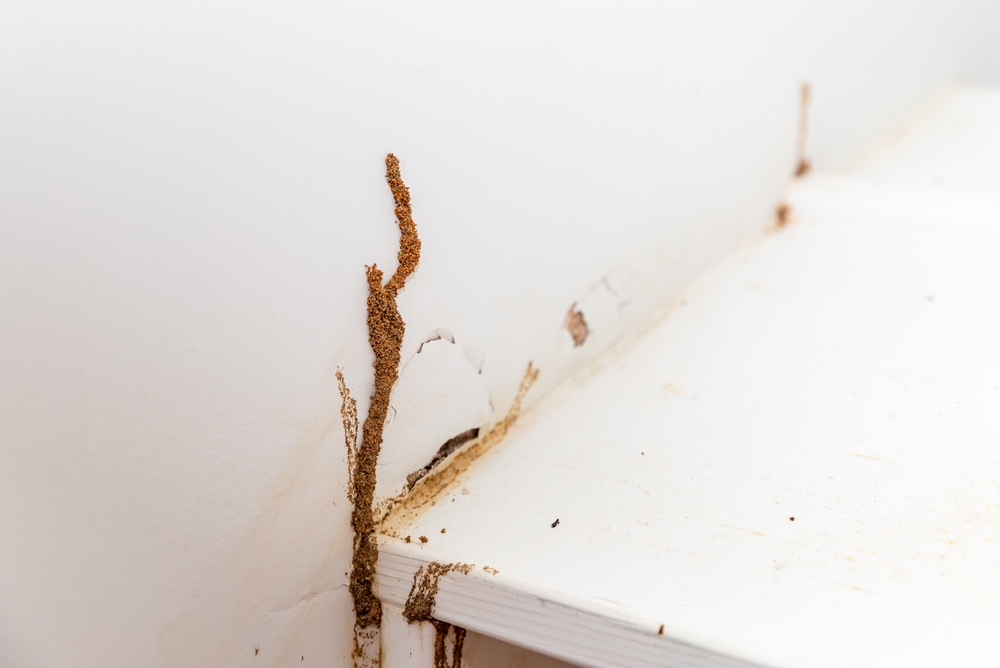
Ignoring early signs usually leads to more extensive damage. Termites can carve through structural wood for months before residents realize what is happening. Rodents reproduce quickly and can chew through electrical wires, insulation, and stored belongings. Spiders often settle where other pests already exist, which indicates an underlying food source problem.
Recognizing and acting on early warning signs can save time and money. When something looks unusual, it is wise to investigate before the issue grows. Scheduling an inspection with a trusted provider of pest control in Portland, OR allows experts to examine the home thoroughly, confirm the presence of pests, and recommend steps to prevent escalation. Quick action keeps small problems from evolving into emergencies.
Mistake 4: Leaving Entry Points Unsealed
Many Portland homeowners believe pests only enter during warm seasons, but a wide range of insects and rodents search for sheltered environments throughout the year. Tiny gaps in siding, foundation cracks, open vents, torn window screens, or poorly sealed doors can quickly become gateways into your living space. Even a hole the size of a coin can allow mice to squeeze through.
One of the biggest challenges in Portland is the age of many homes. Older properties often have shifting foundations, settling frames, or outdated materials that create small openings over time. Newer homes can also develop gaps as wood expands and contracts with moisture. When these entry points stay open, pests return again and again, regardless of how often you treat the interior.
The best approach involves a combination of vigilant maintenance and professional assessment. Walk the exterior of your home periodically and examine vulnerable areas closely. Seal gaps with appropriate materials, repair damaged screens, and make sure exterior doors close tightly. If you are unsure where pests are entering, pest control services can perform exclusion work. This process identifies and blocks hidden access points so pests cannot reenter once removed.
Mistake 5: Forgetting About Outdoor Attractants
Even when the interior of a home is kept clean, the outside environment can draw pests closer than you realize. Portland yards with overgrown vegetation, standing water, compost piles, or unsecured trash cans become ideal feeding and nesting zones. Once pests establish themselves outdoors, they are more likely to explore indoor spaces.
Many residents enjoy gardening, which sometimes increases moisture in soil beds, attracts insects, or provides hiding spots under pots and planters. Firewood stacked next to the house creates a warm shelter for termites and ants. Bird feeders, although enjoyable, often spill seeds that attract rodents. These outdoor attractants encourage pests to linger around your structure and look for weak points to enter.
The solution lies in forming consistent outdoor habits. Trim vegetation away from the foundation, store firewood farther from the home, and keep gutters free of debris. If you collect rainwater or maintain ponds, ensure proper circulation to prevent mosquito breeding. A clean and well managed yard reduces the overall pest pressure on your home. For long term protection, many homeowners choose eco-friendly pest control, Portland specialists can apply targeted outdoor treatments that minimize risks to plants, pets, and beneficial wildlife.
Conclusion
Portland residents face unique pest challenges due to the region’s mild temperatures, dense vegetation, and frequent moisture. Many of the most common pest issues arise not from major structural flaws but from small oversights that allow pests to thrive slowly over time. By understanding the mistakes that homeowners often make and taking steps to correct them, you can achieve a cleaner and more secure living environment.
Pests adapt quickly in this climate and they require a comprehensive approach rather than simple surface treatments. Addressing moisture problems, sealing entry points, recognizing early warning signs, and managing outdoor attractants are key strategies that make a lasting difference. While DIY efforts have limited value, professional Portland pest control services provide the tools, training, and insight needed to eliminate infestations at their source.
If you want peace of mind and a healthier home, consider scheduling an inspection with a trusted provider of pest control in Portland, OR. With support from experts who offer eco-friendly pest control, Portland homeowners can protect their properties year round and prevent small issues from turning into costly repairs.
As the temperatures drop and the rains increase, many homeowners in Portland, OR begin to notice an uptick in unwanted guests: rodents. Whether it’s scratching in the walls, gnaw marks in the pantry, or droppings in the basement, signs of rodent activity become much more frequent during the winter months. Understanding why rodents are more active in Portland homes during this season is key to taking effective steps for prevention. Let’s explore the environmental and behavioral reasons behind this seasonal trend and what you can do about it.
Seasonal Survival Instincts Drive Rodents Indoors
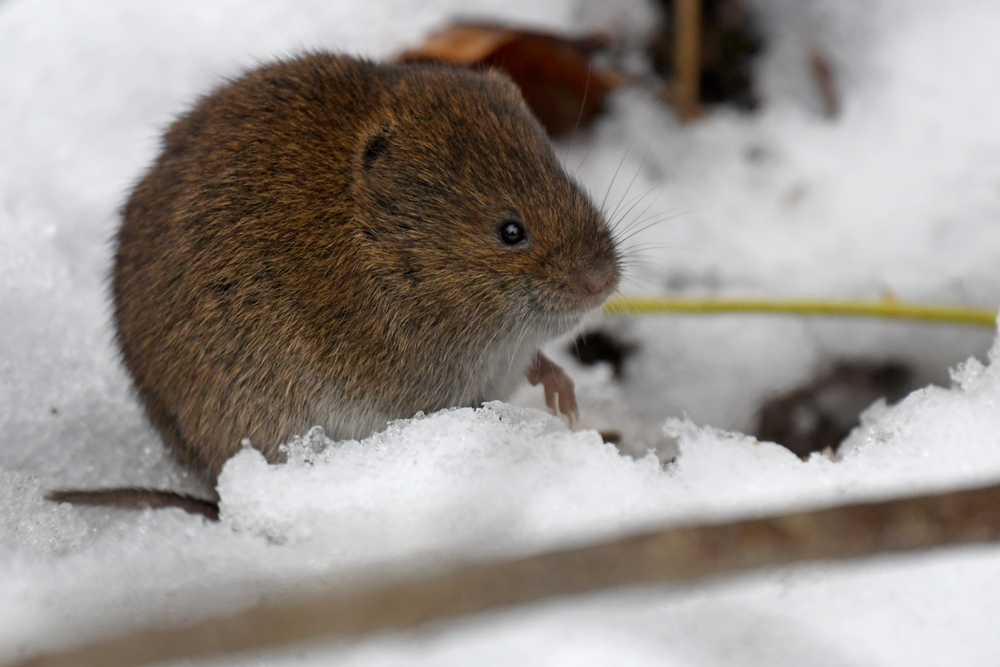
Rodents such as rats and mice are highly adaptable creatures, but winter presents serious challenges for them in the wild. When food becomes scarce and outdoor temperatures plunge, their instinct for survival kicks in. Portland’s wet and chilly winter climate makes it especially difficult for these pests to find food, water, and shelter outdoors. This is why your home becomes so attractive to them.
Homes provide warmth, consistent food sources, and hidden nesting areas. Wall cavities, attics, crawl spaces, basements, and even garages offer perfect refuge from the cold. In Portland, homes built with older materials or those with gaps and cracks in the foundation are particularly susceptible. Rodents can squeeze through tiny openings, sometimes as small as a quarter of an inch, which allows easy access to the interior of houses.
This survival-driven migration indoors explains the spike in rodent sightings during the colder months. Winter rodent control in Portland becomes essential as these pests settle into homes and start breeding, potentially turning a small problem into a major infestation.
Rodents Follow the Food: Why Kitchens and Pantries Are Targets
One of the most compelling reasons rodents are more active in homes during winter is the ready availability of food. In the wild, many natural food sources vanish during winter, leaving rodents desperate for sustenance. Indoors, however, they can feast on pantry goods, pet food, garbage, and even crumbs left behind on counters.
Portland’s eco-conscious culture sometimes includes composting and minimal packaging for food, which while great for the environment, can inadvertently provide more opportunities for rodents if not managed properly. Improperly stored compost bins or recyclable food containers in garages or under sinks can attract pests from outside and invite them to stay.
Rodents are not only persistent, they are also surprisingly intelligent. Once they discover a food source, they will return to it repeatedly, building nests nearby. Kitchens, pantries, and storage closets quickly become prime real estate for mice and rats. If you hear scurrying at night or find chewed food packages, it’s time to consider professional pest control. Portland homeowners who delay intervention often find that the problem escalates rapidly, especially if the rodents start breeding.
The Urban Landscape of Portland Contributes to Infestations
Portland’s unique mix of urban and natural environments makes it a prime location for rodent populations. The city is known for its green spaces, old-growth trees, and lush vegetation, all of which create natural habitats for wildlife, including rodents. However, as neighborhoods expand and seasons change, these creatures find themselves navigating closer and closer to human dwellings.
Portland’s older neighborhoods, in particular, are more vulnerable. Many homes built decades ago have aged materials, foundation cracks, and older plumbing or vent systems that rodents can easily exploit. Add to that Portland’s frequent rainfall, which can flood burrows and force rodents to seek higher, drier ground indoors.
As urban development pushes into previously wild areas, natural habitats shrink and rodents are increasingly displaced. This is why homeowners might notice rodent activity increasing year over year. Reliable Portland pest control services can help assess vulnerabilities in your property’s structure and seal off access points before winter hits full force.
Rodents Reproduce Rapidly During Winter Months
A key reason why rodent activity becomes more noticeable in the winter is that these pests don’t simply move into homes for shelter; they begin to reproduce. While wild populations may slow down breeding due to cold conditions, indoor environments provide warmth and food that allow rodents to continue multiplying year-round.
Mice, for instance, can produce a litter every 3 to 4 weeks, with each litter containing up to a dozen babies. Rats, while slower, can still have multiple litters annually. If just a couple of rodents get into your home in early winter, by mid-season you could be dealing with dozens.
This rapid reproduction is one of the reasons professional pest control in Portland is so important. DIY traps or deterrents may catch a few individuals, but they rarely address the full scope of the infestation or stop future breeding cycles. Licensed professionals can identify nesting sites, use safe and targeted removal methods, and advise on long-term prevention strategies.
Prevention and Early Action Are Key in Portland Homes
To combat the surge in winter rodent activity, proactive measures are crucial. The first step is to inspect your home for signs of entry and seal up any openings. Look around the foundation, under doors, around windows, and in the attic for any gaps. Don’t forget utility lines and plumbing entries, which are common access points for mice and rats.
Next, make sure all food items are stored in airtight containers and keep counters, sinks, and floors clean of crumbs or spills. Trash bins should have tight-fitting lids and be emptied regularly. Composting should be done carefully and ideally stored away from the house.
For Portland residents who want to ensure long-term protection, working with experienced pest professionals is the best course of action. Portland pest control services not only address existing infestations, they also help you build a rodent-proof home environment. Winter rodent control in Portland requires both vigilance and expertise, especially in neighborhoods near forests, water, or open green spaces.
Conclusion
Rodents become more active in Portland homes during the winter because of a combination of environmental pressures and survival behaviors. The cold and wet climate drives them indoors, where they find warmth, shelter, and abundant food sources. With Portland’s mix of old architecture and urban greenery, it’s no surprise that rodent issues spike as the seasons shift.
Understanding the behavior of these pests and why they target homes during winter is the first step in preventing infestations. The next step is action. Whether through vigilant home maintenance or by partnering with trusted professionals, addressing rodent control before it becomes a crisis can save homeowners time, money, and stress.
If you’re hearing noises in your walls, finding droppings in your cabinets, or simply want peace of mind, now is the time to consider professional pest control. Portland homeowners who act early and stay proactive will have the best chance of keeping their homes rodent-free, even during the damp and chilly winter months.
Living in Portland, OR, comes with its perks: scenic landscapes, vibrant neighborhoods, and a rich cultural scene. However, the city’s temperate climate and lush environment also make it a hotspot for various pests. Whether it’s rodents seeking shelter in your attic during the rainy months or ants marching through your kitchen in the summer, pest infestations can escalate quickly. While some homeowners attempt DIY treatments, certain signs indicate that it’s time to bring in professional pest control services. Understanding when to act is crucial to keeping your home safe, clean, and comfortable.
Persistent Pest Sightings Indoors
Seeing a single ant or spider every now and then may not be alarming, but frequent or repeated sightings of pests inside your home should not be ignored. If you regularly spot cockroaches darting across the kitchen floor, hear scratching sounds in the walls, or notice trails of ants even after cleaning thoroughly, you may be dealing with a more serious problem than you realize.
These persistent appearances often suggest that pests are nesting somewhere within your home. For example, rodents can reproduce rapidly, and a small problem can become an infestation in a matter of weeks. Cockroaches tend to hide during the day, so seeing them in daylight is a strong indicator of a larger population. If this is happening, calling in Portland pest control services is the smartest step to ensure the issue is addressed at the root rather than simply masking the symptoms.
Property Damage You Cannot Explain
Another sign that you may need professional pest control is unexplained damage to your property. Pests can cause a surprising amount of destruction, especially when left unchecked. Gnawed wires, chewed furniture, holes in the walls, and shredded insulation often point to the presence of rodents. These damages are not just inconvenient; they can also pose serious safety risks, such as fire hazards from exposed wiring.
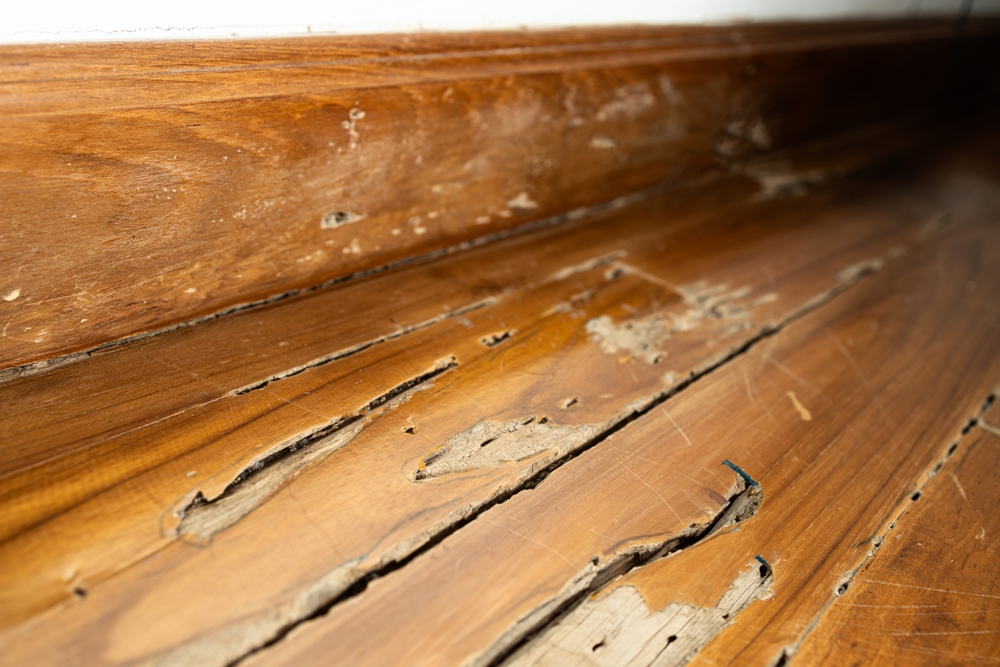
Termites, which are found throughout Portland, OR, are notorious for silently eating away at wooden structures. By the time visible signs appear, the internal damage may be severe. You may notice sagging floors, hollow-sounding wood, or doors that suddenly do not close properly. In such cases, a professional pest inspection in Portland, OR, can help identify the source of the damage and recommend an effective treatment plan before it worsens.
Strange Odors and Sounds
Pests often bring unpleasant side effects into the home, including odd smells and unexplained noises. A musty or oily scent could suggest a roach infestation, while the smell of ammonia may indicate the presence of rodents. These odors are usually the result of urine, droppings, or decomposing pests in hidden areas such as wall cavities, under appliances, or in attics and basements.
Hearing strange noises like scratching, scurrying, or rustling, especially at night, is another warning sign. These sounds are often caused by mice, rats, or squirrels moving through the walls, ceilings, or ductwork. If you hear such noises frequently and cannot identify the source, it’s likely time to consult a pest control expert in Portland who can investigate and resolve the issue effectively.
Increased Allergies or Respiratory Issues
You might not associate allergy symptoms with pests at first, but many infestations can exacerbate or even cause respiratory problems. Pest droppings, shed skin, and saliva from insects like cockroaches can become airborne, triggering allergic reactions and asthma, particularly in children and sensitive individuals.
Rodent infestations can have similar effects. Their urine and dander contribute to poor indoor air quality and may result in persistent sneezing, coughing, itchy eyes, or breathing difficulties. If you or your family members begin to experience these symptoms without a clear cause, it may be time to consider the possibility of a hidden pest issue. A thorough pest inspection in Portland, OR, can determine whether pests are contributing to your health problems and help restore a healthier living environment.
DIY Methods Are Not Working
Many homeowners in Portland prefer to handle minor pest issues themselves, using traps, sprays, or natural deterrents. While these methods can work for small, isolated problems, they are often ineffective against larger or recurring infestations. If you find yourself constantly setting traps for mice, replacing ant bait stations, or spraying for spiders without long-term success, it’s a clear sign that the infestation is beyond DIY remedies.
In some cases, store-bought solutions can even make the problem worse. Overuse of pesticide sprays may drive pests deeper into hiding or cause them to scatter, spreading the infestation to new parts of your home. Additionally, certain pests, like bed bugs, require professional-grade treatments and expertise to fully eradicate. Bringing in a team that specializes in professional pest control ensures that the correct treatment is used based on the type of pest, the extent of the infestation, and the structure of your home.
Conclusion
Living in Portland means enjoying a beautiful, nature-rich environment, but it also comes with the responsibility of keeping your home protected from pests that thrive in the region. From rodents and cockroaches to ants and termites, unwanted guests can cause more than just inconvenience. They can damage your property, affect your health, and reduce your quality of life.
Recognizing the signs early is key. Persistent sightings, property damage, unusual smells or sounds, health issues, and failed DIY efforts all point to the need for professional help. Portland pest control services have the tools, experience, and knowledge to eliminate infestations efficiently and safely. Whether you’re dealing with an active problem or want a preventative pest inspection in Portland, OR, reaching out to experts is the best way to ensure your home remains a safe and pest-free sanctuary.
When in doubt, trust the professionals. Acting sooner rather than later can save you time, money, and stress in the long run.
Portland’s lush green environment comes at a price: consistent rainfall and high humidity levels that create ideal conditions for moisture to build up in homes. Whether it’s due to clogged gutters, poorly sealed windows, or inadequate ventilation, moisture problems in Portland homes are a recurring concern for many homeowners. With an average annual rainfall of over 36 inches, it’s no surprise that many properties, especially older ones, develop issues related to dampness over time.
Many of Portland’s homes are built with basements and crawlspaces, which are particularly vulnerable to excess moisture. These areas often go unchecked, providing a breeding ground for problems to fester. Homeowners might notice musty smells, warped wood, peeling paint, or mold growth, but often overlook the more dangerous side effect: pests. Moisture doesn’t just damage your home, it invites a whole ecosystem of pests that thrive in damp, dark environments.
The Unseen Impact of Damp Basements and Crawlspaces
Damp basements in Portland pose more than just structural risks. They serve as the perfect entry point for pests seeking out warmth, food, and moisture. In many cases, crawlspace moisture issues in Portland homes go unnoticed until a serious infestation occurs. Since crawlspaces are difficult to access and rarely visited, moisture builds up undisturbed, creating an ideal environment for mold, mildew, wood rot, and pests.
These damp conditions can also compromise insulation, rust pipes, and weaken foundation walls. Over time, unchecked moisture can lead to costly repairs, dramatically lowering property value. More importantly, it creates a welcome sign for pests like termites, carpenter ants, cockroaches, silverfish, and rodents. These pests are not only destructive, but they also pose health risks to your family.
Humidity and leaks in basements or crawlspaces often go unnoticed until signs of infestation become obvious. Unfortunately, by the time these signs appear, such as droppings, nesting materials, or chewed wires, the pest population has already grown. Professional inspections, particularly after the rainy season, are essential to detect early moisture problems and keep pests at bay.
The Most Common Pests Attracted to Moisture in Portland
Moisture pests in Portland range from the nuisance to the seriously hazardous. Termites are among the most destructive, capable of undermining the structural integrity of your home by feeding on damp wood. Portland’s rainy environment gives them an advantage, especially in crawlspaces and basements where wood remains moist year-round. Once termites find a food source, they establish colonies that are extremely difficult to eliminate without professional help.
Carpenter ants are another major concern. Like termites, they burrow into wood but do not eat it. Instead, they carve it out to create tunnels. Their presence often indicates prolonged moisture exposure. These ants are particularly drawn to decaying wood, which they can find in areas with persistent leaks or flooding.
Cockroaches, especially the American and German varieties, thrive in moist, dark environments. A wet basement or under-sink leak can quickly become a sanctuary for them. These pests are not only disgusting to encounter but are also carriers of bacteria that can contaminate food and surfaces.
Silverfish, while not harmful in a physical sense, feed on paper, wallpaper glue, fabrics, and even some adhesives. Their presence is a sign that humidity levels are too high. Rodents, like rats and mice, are also drawn to moist areas. They build nests in basements, attics, and wall voids, and their droppings can cause respiratory issues, particularly in children.
Each of these pests is drawn to the same thing: consistent moisture. Once they arrive, they multiply quickly and are difficult to remove without targeted treatment strategies.
Moisture Problems and the Bigger Pest Control Picture
Solving moisture problems in Portland homes requires more than a surface-level fix. Many homeowners attempt to address pest problems by using over-the-counter traps and sprays. While these might offer temporary relief, they rarely get to the root of the issue: moisture. Without tackling the damp environment that attracted the pests in the first place, infestations are likely to return.
Portland pest control professionals understand the unique challenges the local climate presents. Moisture control is a foundational element of any successful pest control strategy in the area. This includes sealing cracks, fixing leaks, improving drainage, installing vapor barriers, and ensuring proper ventilation in crawlspaces and attics.
In the long term, addressing structural vulnerabilities helps reduce the need for chemical interventions. It also helps protect your home from repeated infestations, saving both time and money. Regular inspections, especially during the wetter months, help detect early signs of trouble before they escalate into full-blown infestations.
Combining structural repairs with expert pest control provides a holistic defense against recurring pest problems. Homeowners who take a proactive approach typically experience fewer issues, enjoy greater peace of mind, and preserve the value of their property.
The Case for Eco-Friendly Pest Control in Portland
Portland residents are increasingly turning to eco-friendly pest control solutions. Sustainability is a core value for many in the region, and pest control is no exception. Traditional chemical treatments may be effective, but they can pose risks to pets, children, and the environment. Eco-friendly pest control in Portland offers a safer alternative that aligns with the city’s environmentally conscious lifestyle.
These approaches include using botanical-based repellents, targeted baiting systems, and exclusion techniques that reduce the likelihood of re-entry. In cases where chemical treatments are necessary, professionals use low-toxicity formulations designed to minimize impact.
Beyond treatment, eco-conscious pest control also focuses on prevention. This means educating homeowners on how to control moisture levels, seal entry points, and maintain landscaping in a way that discourages pests. Dehumidifiers, gutter maintenance, and proper grading around the foundation are just a few tactics used to prevent excessive moisture buildup.
By addressing the environment that supports pests, eco-friendly methods not only eliminate current problems but also reduce the likelihood of future infestations. This dual benefit makes green pest control an increasingly popular choice among Portland homeowners who value both safety and sustainability.
Conclusion
Moisture problems in Portland homes are more than a seasonal nuisance. They create ideal breeding grounds for a wide variety of pests, from termites and carpenter ants to cockroaches and rodents. Left unaddressed, moisture can silently undermine a home’s structure while inviting infestations that are expensive and difficult to manage.
Damp basements, leaky crawlspaces, and poor ventilation contribute heavily to this problem. Whether you live in a century-old Portland bungalow or a newer build, no home is immune. Awareness is the first step. Taking action by fixing leaks, improving drainage, and consulting pest control professionals can make the difference between a minor inconvenience and a costly infestation.
For homeowners in Portland, pest control isn’t just about removing bugs. It’s about protecting your investment, maintaining a healthy living environment, and doing so in a way that respects the natural world. Eco-friendly pest control, combined with proactive moisture management, offers a path forward that’s both effective and responsible.
Don’t wait for pests to signal that something’s wrong. If you suspect moisture issues in your home, take steps today to inspect, repair, and protect. The health of your home and everyone living in it depends on it.
Winter in Portland brings cold rain, short days, and a wave of pests that move indoors in search of shelter. During these months, homeowners often encounter rodents such as mice and rats. These pests take advantage of gaps in siding, cracks in foundations, or poorly sealed doors and windows. Once inside, they nest in attics, basements, and wall voids. This period also brings occasional spider sightings since these arachnids follow prey that has migrated indoors. Moisture loving pests like silverfish may also appear, drawn to humid bathrooms and laundry areas.
Understanding seasonal pests in Portland can help homeowners prepare in advance. Winter is a time to focus on exclusion tactics. Sealing entry points is one of the most effective prevention steps because it stops infestations before they begin. Reducing clutter, especially in storage spaces, removes hiding spots that attract rodents and insects. Portland homeowners pest tips for winter include repairing leaks, improving ventilation, and storing food in airtight containers. These first months of the year set the stage for a healthier, pest free home as the seasons shift, making early prevention essential.
March and April: Spring Awakening and Increased Activity
As temperatures rise and daylight improves, pests become more active. Ants are among the earliest spring invaders in Portland. They emerge from their colonies and forage for food which can lead to trails appearing in kitchens and pantries. Carpenter ants become particularly concerning during this time since their activity signals potential moisture damage in siding or structural wood. Spring also marks the start of stinging insect activity. Paper wasps begin building small nests under eaves, in sheds, or inside attic spaces.
Moisture continues to play a major role during early spring. Rainy Portland weather creates ideal conditions for slug and snail populations which thrive in gardens and landscaped areas. Homeowners often notice new plant damage as these pests feed on tender growth. The monthly pest guide for these spring months highlights the importance of addressing standing water on the property. Cleaning gutters, improving drainage, and trimming vegetation away from the home can reduce pest pressure. Spring cleaning also supports pest prevention, Portland residents have long recognized that decluttering and deep cleaning disrupt breeding sites and make homes less appealing to insects.
May through July: Summer Surge of Insects
Summer brings warmth and extended sunlight which accelerates the life cycles of many pests. Ant populations expand rapidly, especially sugar ants which become a top nuisance in Portland neighborhoods. Spiders increase as they hunt the abundance of insects that accompany summer. Wasps and yellowjackets grow more aggressive as their colonies develop and food demands rise. Homeowners should keep an eye on outdoor structures during these months because nest expansion can happen quickly.
Mosquitoes also flourish as temperatures climb. Even small containers of water can produce large mosquito populations which can affect outdoor enjoyment. Tick activity increases as well, especially in wooded or grassy areas around Portland. These pests pose health concerns which makes prevention a key priority.
Warm weather also invites pantry pests into homes. Beetles and moths may infest dried goods which makes proper food storage crucial. The increase in barbecues and outdoor dining can attract ants and wasps if food scraps are left behind. The monthly pest guide for summer emphasizes sanitation. Cleaning up spills immediately, securing garbage bins, and maintaining yard cleanliness limit access to food sources. Regular exterior inspections provide early warning signs of wasp nests or carpenter ant activity. Summer is the season when pests are most visible which makes quick response important for effective pest control.
August through October: Late Season Transitions and Harvest Pests
Late summer and early fall bring a shift in pest behavior. As natural food sources decline, insects begin moving closer to homes in search of sustenance. Yellowjackets reach their peak in aggression during August and September which often results in increased encounters during outdoor gatherings. This period represents one of the most challenging pest seasons in Portland due to wasp persistence and large colony sizes.
Spiders also become more noticeable in fall. Larger species like orb weavers spin webs around porches, gardens, and entryways. Their presence can be startling even though many of them help control other insects. Stink bugs and boxelder bugs appear as they search for sheltered locations. These pests congregate on sunny exterior walls and may slip indoors through torn screens or unsealed gaps.
Autumn rain returns which supports moisture heavy pests such as millipedes and slugs. Rodent activity begins to rise again as they prepare for winter. This makes late summer and early fall an ideal time for inspection. Checking for cracks, trimming branches that touch the house, and storing firewood away from structures can limit pest access. Pest prevention, Portland homeowners have learned, is most successful when seasonal patterns are anticipated. Landscape maintenance is especially important during this period because overgrown vegetation creates bridges for pests to enter homes.
November and December: Preparing for Winter Pressures
As temperatures cool again, pests return to their winter survival habits. Rodents become the primary concern during late fall and early winter. They seek warmth and secure nesting sites which makes garages and attics prime targets. Portland homeowners should pay attention to noises in walls, droppings, or gnaw marks which are common signs of rodent activity.
Moisture remains a factor throughout the year in Portland. Heavy winter rains can push insects like ants back indoors. Damp crawl spaces or basements may attract pests that thrive in humid environments. Spiders find shelter inside as well, particularly in undisturbed storage areas.
This time of year also brings holiday decorations out of storage. Boxes kept in garages or sheds can harbor pests which is why inspecting items before bringing them inside is a smart practice. Maintaining strong sanitation, storing food properly, and repairing damaged weather stripping help prepare homes for winter. The monthly pest guide for late fall and winter encourages homeowners to remain vigilant because pest pressures during these months can grow quickly if left unaddressed.
Conclusion
Understanding seasonal pests in Portland allows homeowners to anticipate challenges before they escalate. Each month brings predictable changes in pest behavior which means prevention efforts can be timed effectively. Winter calls for sealing entry points and monitoring rodent activity. Spring encourages moisture management and early inspection. Summer demands strict sanitation and prompt removal of outdoor attractants. Fall requires preparation for overwintering invaders and increased structural maintenance.
When homeowners follow a thoughtful schedule grounded in seasonal knowledge, pest issues become easier to manage. Consistent attention to sanitation, exclusion, landscaping, and moisture control strengthens the overall resilience of the home. Effective pest control involves more than reacting to problems. It depends on a year round strategy guided by Portland specific conditions. By following this monthly approach, Portland residents can keep their homes comfortable, healthy, and ready for the seasonal shifts that influence pest activity throughout the year.