
How to Prevent Carpenter Ants from Damaging Portland Homes
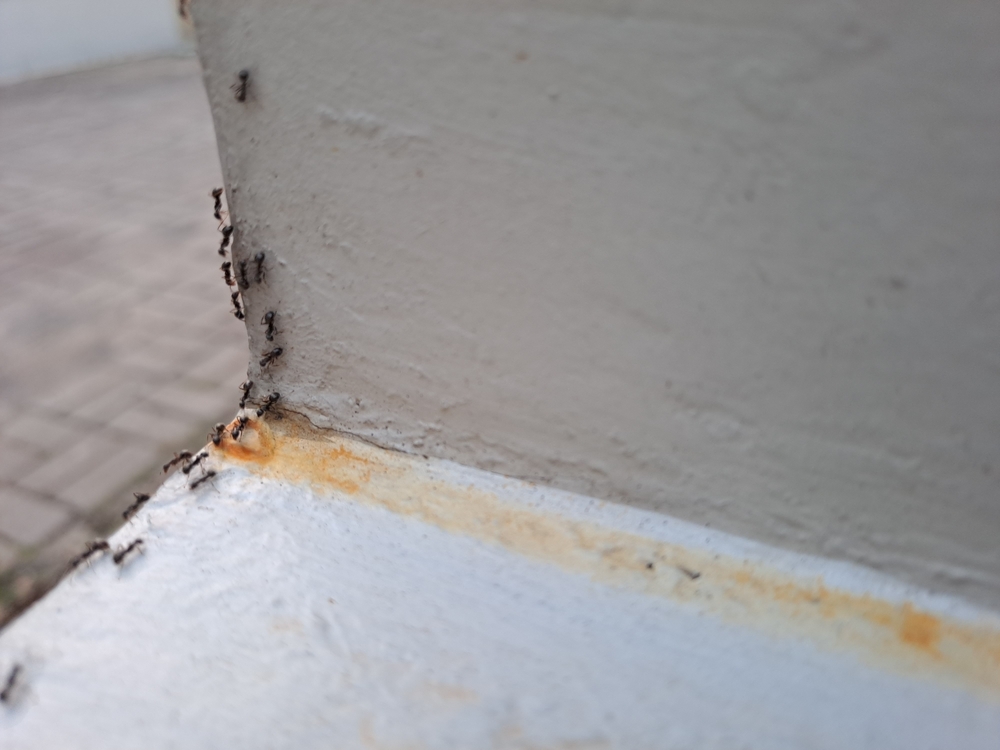
Portland’s rainy seasons, damp crawl spaces, and moisture-prone wood structures can create favorable conditions for carpenter ants. These pests can establish nests inside walls, window frames, decks, and other wooden areas, potentially causing structural damage over time. Knowing how to prevent carpenter ants from damaging your home can help you avoid costly repairs and identify infestations before they spread.
Quick Answer: The best way to prevent carpenter ants from damaging Portland homes is to control moisture, repair water-damaged wood, seal exterior entry points, and keep trees and vegetation away from the structure. Homeowners should also inspect crawl spaces, attics, decks, and window frames for signs of nesting. If carpenter ants are already active indoors, a professional pest control inspection can help locate hidden colonies and determine the appropriate treatment.
What Portland Homeowners Should Know
-
Carpenter ants excavate galleries inside wood to build nests, but they do not eat wood like termites.
-
Portland’s wet fall and winter conditions can contribute to moisture problems that make certain wooden areas more attractive for nesting.
-
Homes in neighborhoods such as Sellwood-Moreland, Laurelhurst, and Eastmoreland may have mature trees, older woodwork, or other conditions that deserve regular inspection.
-
Large black ants, piles of coarse wood shavings, and recurring indoor ant activity can indicate a carpenter ant problem.
-
Moisture management, routine inspections, and targeted pest control can reduce the likelihood of extensive damage.
Portland’s combination of seasonal rainfall, mature landscaping, and wood-framed residential construction makes carpenter ant prevention especially relevant. At Frost Integrated Pest Management, we recognize the importance of addressing both pest activity and the property conditions that allow infestations to develop.
Local Data and Field Observations: Why Carpenter Ants Thrive in Portland
Carpenter ants can thrive around Portland properties because the Pacific Northwest’s damp conditions support moisture-damaged wood, which many carpenter ant species prefer when establishing nests. Homes with roof leaks, poor drainage, wet crawl spaces, or decaying exterior trim may provide suitable nesting locations, particularly when moisture problems remain unresolved.
According to Oregon State University Extension Service guidance on carpenter ants, these insects commonly establish nests in wood affected by moisture or decay, although some species can also excavate sound wood.
Local conditions worth monitoring include:
-
Seasonal rainfall: Prolonged wet weather can expose exterior siding, decks, and window frames to moisture.
-
Mature landscaping: Large trees and branches near homes can provide nesting habitats and pathways toward structures.
-
Older construction: Aging flashing, damaged trim, and deteriorating seals can allow water into concealed wooden areas.
-
Crawl space moisture: Inadequate drainage, plumbing leaks, and poor moisture control can contribute to favorable nesting conditions.
Carpenter ants can remain active within established colonies even when homeowners see little movement outdoors. This makes routine inspection valuable throughout the year.
How Carpenter Ants Can Damage Portland Homes
Carpenter ants damage homes by excavating tunnels and chambers inside wood to create nesting spaces. Unlike termites, carpenter ants do not consume the wood. Instead, they remove material as they expand their galleries, which can weaken affected wooden components when nesting continues over time.
In Portland homes, vulnerable areas may include:
-
Window and door frames exposed to recurring rain.
-
Deck supports, porch posts, and exterior stairs.
-
Roof framing near leaks or damaged flashing.
-
Crawl space joists and other moisture-affected structural wood.
-
Wall cavities around plumbing leaks.
-
Wooden trim adjacent to gutters or poorly draining roof edges.
Damage often develops out of sight. A homeowner might notice ants around a kitchen window without realizing that a colony has established itself in nearby damp framing.
The cost of addressing an infestation can increase if the underlying moisture source is ignored. Pest treatment may resolve ant activity, but damaged wood and water intrusion may still require repair.
Warning Signs of Carpenter Ants in Your Home
Common warning signs of carpenter ants include repeated sightings of large ants indoors, coarse wood shavings, and activity near damp wooden areas. Recognizing these signs early can help Portland homeowners determine whether ants are simply foraging or whether a nest may be located within the structure.
Watch for these seven indicators:
-
Large ants indoors: Repeated sightings of relatively large black or dark-colored ants, especially in the same room, may suggest nearby nesting activity.
-
Coarse wood shavings: Small piles of sawdust-like material, sometimes mixed with insect fragments, can accumulate beneath nesting openings.
-
Rustling sounds inside walls: Faint activity may occasionally be audible from a substantial colony in a quiet room.
-
Winged ants indoors: Reproductive carpenter ants emerging inside a home may indicate an established colony nearby.
-
Ant trails near foundations: Regular movement along siding, fences, branches, or utility lines may reveal travel routes.
-
Activity around damaged wood: Ants appearing near damp window frames, decks, or roof edges deserve closer attention.
-
Visible wood galleries: Smooth, excavated tunnels uncovered during repairs can indicate carpenter ant nesting.
Not every large ant is a carpenter ant, and these signs do not always confirm an infestation. Proper identification helps avoid unnecessary or ineffective treatments.
When Should You Call a Professional for Carpenter Ants?
You should call a professional for carpenter ants when indoor activity continues, wood shavings appear, winged ants emerge inside, or you suspect nesting within walls or structural framing. These conditions may indicate an established colony that cannot be addressed through surface cleaning or basic exclusion alone.
For homeowners in Multnomah County, recurring ant activity near moisture-damaged wood is particularly worth investigating.
A professional inspection can help determine:
-
Whether the insects are carpenter ants or another ant species.
-
Where ants are entering or traveling around the property.
-
Whether a nest is inside the home or in nearby outdoor wood.
-
Which moisture or structural conditions may be supporting the infestation.
-
What treatment and follow-up measures are appropriate.
Homeowners can safely document ant activity, inspect accessible areas, and address obvious moisture problems. Avoid opening structural walls, disturbing electrical areas, or applying pesticides into hidden cavities without proper knowledge and equipment.
Common Causes of Carpenter Ant Problems in Portland
The most common conditions associated with carpenter ant problems in Portland include moisture-damaged wood, accessible nesting sites, and pathways connecting outdoor colonies to the home. Although moisture is not required for every carpenter ant nest, reducing dampness and removing decaying wood can make a property less favorable.
1. Water leaks and wood decay
Roof leaks, damaged gutters, plumbing problems, and deteriorating exterior seals can keep wooden materials damp. Over time, softened or decaying wood may become an attractive nesting location.
2. Trees and shrubs touching the home
Mature trees are common in neighborhoods such as Irvington and Alameda. Branches touching roofs or siding can give foraging ants convenient access to the building.
3. Firewood and decaying outdoor materials
Firewood stacked against siding, rotting stumps, and deteriorating landscape timbers can provide nesting opportunities close to the house.
4. Gaps around exterior openings
Cracks around utility penetrations, damaged weatherstripping, and openings near siding can allow ants to enter.
5. Poor crawl space moisture control
Standing water, drainage problems, and plumbing leaks beneath a home can create persistent moisture conditions that require attention.
Addressing these contributing factors is often more effective than repeatedly treating visible ants without identifying their source.
How to Prevent Carpenter Ants from Damaging Your Home
Preventing carpenter ant damage requires a combination of moisture control, structural maintenance, vegetation management, and regular inspections. Portland homeowners can reduce nesting opportunities by making wooden components less susceptible to water damage and limiting the ways ants can travel from outdoor colonies into the house.
Keep wood dry and repair moisture problems
Inspect gutters, downspouts, roofing, and exterior drainage. Repair leaks promptly and replace deteriorated wood when necessary.
Pay particular attention to window sills, deck connections, and crawl spaces following prolonged rainy periods.
Trim vegetation away from the structure
Keep branches and shrubs from touching siding, windows, and rooflines. Check for ant trails on nearby trees and fences.
Trimming vegetation does not eliminate an existing colony, but it can reduce convenient access routes.
Store firewood away from the house
Keep firewood off the ground where practical and avoid stacking it directly against exterior walls. Remove rotting wood, unused lumber, and deteriorating landscape materials near the foundation.
Seal accessible entry points
Inspect gaps around doors, windows, pipes, cables, and siding. Use appropriate sealants or repairs to close openings while maintaining necessary ventilation and drainage.
Follow a seasonal inspection schedule
-
Spring: Check for winged ants, emerging activity, and winter moisture damage.
-
Summer: Watch for foraging trails, especially around exterior walls and landscaping.
-
Fall: Clear gutters, inspect roof drainage, and repair exposed wood before heavy rain.
-
Winter: Monitor crawl spaces, plumbing areas, and indoor locations where ants have previously appeared.
Prevention should focus on correcting the conditions that support nesting rather than relying exclusively on pesticide applications.
What Results Can Homeowners Expect From Carpenter Ant Prevention?
Effective carpenter ant prevention can reduce the likelihood of new nesting activity, limit access to vulnerable wooden areas, and help homeowners identify problems earlier. However, maintenance alone may not eliminate an established colony, especially when ants are nesting in concealed structural spaces.
After professional service, homeowners may notice reduced ant activity as treatment takes effect. The timing depends on the colony’s location, size, treatment approach, and whether nearby satellite nests are present.
Long-term results are supported by:
-
Repairing water intrusion and damaged wood.
-
Following treatment recommendations.
-
Monitoring previously active locations.
-
Maintaining vegetation clearance.
-
Scheduling additional inspections when signs return.
No single treatment or maintenance step can guarantee that carpenter ants will never return.
Common Carpenter Ant Prevention Mistakes
Common carpenter ant prevention mistakes include treating only the ants that are visible, overlooking moisture problems, and assuming that all ant activity originates inside the home. These approaches can delay effective control because carpenter ant colonies may occupy multiple nesting locations.
Mistake: Spraying every visible ant.
Consequence: Surface treatments may fail to reach the nest and can interfere with some baiting approaches.
Better approach: Identify the ant species and locate likely nesting or foraging areas before selecting a treatment.
Mistake: Ignoring a leaking window or roof edge.
Consequence: Continued moisture can encourage wood deterioration and maintain favorable nesting conditions.
Better approach: Repair water intrusion and assess any affected wooden materials.
Mistake: Leaving firewood against exterior siding.
Consequence: Outdoor nesting sites remain close to potential entry points.
Better approach: Relocate wood storage and inspect the surrounding foundation.
Mistake: Assuming carpenter ants are termites.
Consequence: Misidentification can lead to the wrong treatment or unnecessary concern.
Better approach: Have the insect identified and assess the actual condition of the wood.
A Common Carpenter Ant Scenario in a Portland Home
A common carpenter ant scenario involves a homeowner noticing large black ants near a kitchen window during spring. The window has an aging exterior seal, and nearby trim has been exposed to repeated rainfall.
At first, the homeowner assumes the ants are entering from outside in search of food. After additional sightings, a small pile of coarse wood debris appears beneath the window frame.
An inspection in this hypothetical situation might reveal carpenter ant activity associated with moisture-damaged framing. The appropriate response would involve identifying the nest, selecting a suitable treatment, repairing the moisture source, and evaluating damaged materials.
This example illustrates why recurring ant sightings near damp wood should not be dismissed as a minor seasonal nuisance.
Carpenter Ant Inspection and Pest Control Solutions
Professional carpenter ant control focuses on identifying the pest, locating nesting activity, selecting an appropriate treatment, and reducing conditions that support future infestations. An integrated pest management approach considers both the immediate colony and the environmental factors contributing to the problem.
At Frost Integrated Pest Management, we emphasize the value of understanding the source of pest activity rather than treating every ant sighting as an isolated issue.
Depending on the inspection findings, a carpenter ant management plan may involve:
-
Identifying carpenter ants and their activity patterns.
-
Inspecting accessible interior and exterior nesting locations.
-
Evaluating moisture and wood deterioration.
-
Applying appropriate targeted control methods when needed.
-
Recommending exclusion and property maintenance measures.
-
Monitoring activity to determine whether further action is necessary.
Structural wood repairs and plumbing or roofing work may require qualified contractors.
DIY Prevention vs. Professional Carpenter Ant Control
DIY prevention is useful for routine maintenance and minor access problems, while professional carpenter ant control is generally more appropriate for suspected hidden nests, recurring indoor activity, or structural concerns. The right choice depends on the evidence of infestation and the condition of the property.
| Situation | Recommended approach |
|---|---|
| Occasional outdoor ants with no damage signs | Monitor activity and maintain the property. |
| Branches touching siding or rooflines | Trim vegetation safely. |
| Minor gaps around exterior openings | Seal suitable entry points. |
| Recurring indoor carpenter ant sightings | Request professional identification and inspection. |
| Wood shavings or suspected hidden nests | Seek professional pest control assessment. |
| Deteriorated structural wood | Arrange pest assessment and qualified repair evaluation. |
For homes near wooded areas, parks, or mature tree canopies, combining routine property maintenance with professional evaluation when warning signs appear can provide a more complete approach.
Carpenter Ant Prevention Across Portland and Nearby Communities
Carpenter ant prevention matters throughout Portland, including neighborhoods such as Montavilla, Sellwood-Moreland, and Laurelhurst, where residential properties may have mature landscaping and moisture-exposed wooden features. Nearby communities such as Beaverton, Tigard, and Lake Oswego experience similar regional weather conditions that can contribute to wood moisture problems.
Homeowners throughout the greater metro area can benefit from inspecting vulnerable wooden materials and responding promptly to recurring carpenter ant activity.
The Cost of Ignoring Carpenter Ant Activity
Ignoring carpenter ant activity can allow established colonies to continue excavating wood, potentially increasing the amount of repair work needed later. The actual cost depends on the location and extent of damage, how accessible the nest is, and whether moisture or structural repairs are required.
In a damp Pacific Northwest climate, postponing repairs to leaking windows, roofs, or crawl spaces may also allow water damage to progress independently of the ant infestation.
Early investigation can help homeowners distinguish a minor outdoor pest issue from a hidden nesting problem that deserves professional attention.
Frequently Asked Questions About Carpenter Ants in Portland
Are carpenter ants common in Portland, Oregon?
Yes, carpenter ants occur in the Portland area and throughout the Pacific Northwest. The region’s wooded landscapes and moisture-prone conditions can provide suitable nesting environments. Their presence outdoors is not automatically a problem, but recurring indoor activity or evidence of wood excavation should prompt closer inspection.
Can carpenter ants damage a home’s structure?
Yes, carpenter ants can damage structural wood when colonies excavate galleries inside framing or other wooden components. They do not eat the wood, but extensive nesting can weaken affected materials. The seriousness of the damage depends on colony activity, nesting duration, and the location of the excavated wood.
What time of year are carpenter ants most active in Portland?
Carpenter ants are often most noticeable during warmer months, particularly spring and summer when outdoor foraging and reproductive activity become more apparent. However, colonies can remain active inside protected structures during cooler weather. Indoor sightings during winter may warrant investigation, especially when ants repeatedly appear in heated areas.
Does Portland’s rainy weather attract carpenter ants?
Rainy weather can indirectly increase carpenter ant nesting opportunities by contributing to damp or decaying wood. Carpenter ants do not require every nesting site to be wet, but moisture-damaged wood is particularly vulnerable. Repairing leaks, improving drainage, and replacing deteriorated materials can reduce favorable conditions around the home.
How can I tell carpenter ants from termites?
Carpenter ants typically have a narrow waist, elbowed antennae, and, when winged, front wings that are longer than their hind wings. Termite swarmers generally have straighter antennae, a broader waist, and wings of similar length. Because treatment approaches differ, professional identification is useful when the insect is uncertain.
Should I worry about carpenter ants in my Portland crawl space?
Yes, repeated carpenter ant activity in a crawl space deserves attention, especially when there is standing water, plumbing leakage, or deteriorating wood. An occasional ant does not establish that a colony is present. Inspect accessible areas safely and seek professional help when nesting evidence or structural damage is suspected.
Can carpenter ants come from trees near my home?
Yes, carpenter ants can nest in trees, stumps, and other outdoor wooden materials before foraging toward a nearby house. Mature landscaping in areas such as Eastmoreland and the West Hills may provide outdoor nesting opportunities. Keep vegetation from touching the structure and investigate persistent trails leading into the home.
Will sealing cracks eliminate carpenter ants?
Sealing cracks can reduce entry opportunities, but it will not reliably eliminate a colony already established inside walls, framing, or nearby wood. Exclusion works best alongside moisture correction, proper identification, and targeted treatment when needed. Avoid sealing openings that are necessary for ventilation or drainage.
Do carpenter ants always leave sawdust behind?
No, visible wood shavings are not always present or easy to find. Carpenter ants may deposit excavated material in concealed spaces or locations that homeowners rarely inspect. Recurring indoor sightings, winged ants, and activity near moisture-damaged wood can also justify investigation even when no debris is visible.
When should Portland homeowners schedule a carpenter ant inspection?
Portland homeowners should consider an inspection when large ants repeatedly appear indoors, winged ants emerge inside, wood shavings accumulate, or activity is associated with damaged wooden areas. Spring is a useful time to review moisture conditions, but suspected infestations should be evaluated when signs appear rather than waiting for a particular season.
Protect Your Portland Home From Carpenter Ant Damage
Preventing carpenter ant damage starts with controlling moisture, maintaining vulnerable wood, reducing entry points, and recognizing signs of nesting before the problem becomes extensive. These steps are especially valuable for local homes exposed to seasonal rainfall, aging exterior materials, and mature vegetation.
When carpenter ants continue appearing or hidden nesting activity is suspected, professional evaluation can help determine the next appropriate step.
Keep Carpenter Ants From Turning Small Problems Into Costly Repairs
Protect your home with a proactive approach to carpenter ant identification, prevention, and control. At Frost Integrated Pest Management, we can help you explore practical pest management options focused on protecting your property.