
Why DIY Pest Control Often Fails in Portland’s Moist Climate (and What Works Instead)
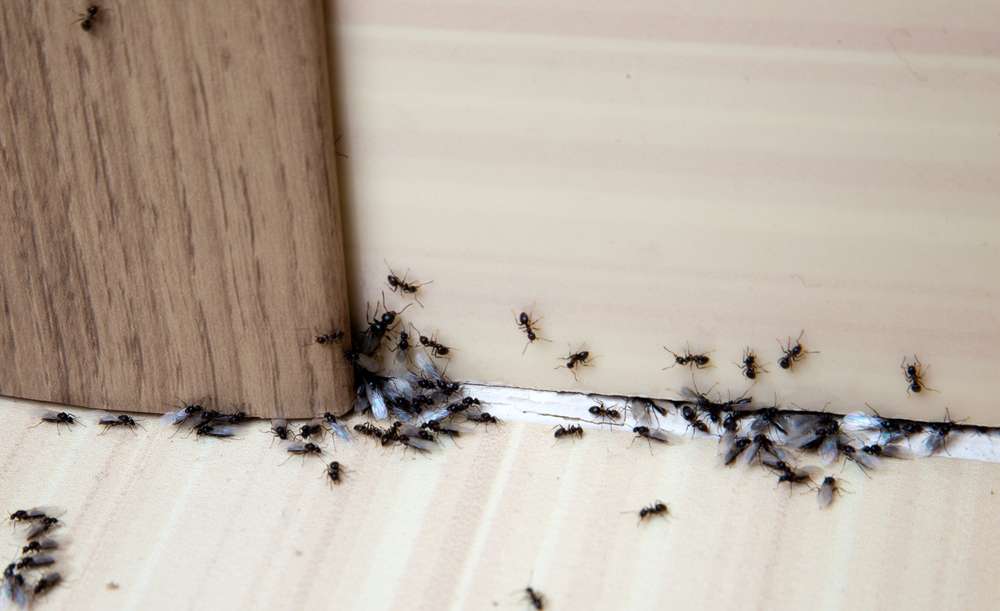
Portland, Oregon is a city celebrated for its lush greenery, mild temperatures, and famously rainy skies. But that same inviting climate that keeps the city green year-round also creates ideal breeding conditions for a wide range of household pests. If you have ever grabbed a can of spray from the hardware store only to find the same pests crawling around a week later, you are not alone.
DIY pest control in Portland, OR is one of the most common frustrations homeowners face, and the region’s unique environment is largely to blame.
The Role of Moisture in Portland’s Pest Problem
To understand why so many pest control efforts fall short, you first have to understand what draws pests to your home in the first place. Moisture is the single biggest factor driving moisture-related pest problems in Portland. With average annual rainfall exceeding 36 inches and humidity levels that rarely dip low, Portland creates a perfect habitat for pests that thrive in damp conditions.
Carpenter ants, for example, do not just nest anywhere. They actively seek out wood that has been softened by moisture. A leaky gutter, a poorly sealed crawlspace, or a damp basement is essentially a welcome sign for these destructive insects. Similarly, subterranean termites flourish in the Pacific Northwest precisely because the soil stays wet for extended periods, allowing colonies to expand and feed with little disruption.
Moisture also attracts rodents. Rats and mice follow the same logic as any creature: they go where conditions support survival. A moist, cluttered crawlspace offers warmth, water, and shelter, making it a prime nesting site. Silverfish, earwigs, fungus gnats, and drain flies round out the list of common pests that are directly enabled by Portland’s wet environment.
The mistake most homeowners make is treating the symptom (the pest) rather than the cause (the moisture). A store-bought spray might knock down the visible population, but if the underlying moisture conditions remain unchanged, a new wave of pests will return within days or weeks.
Why DIY Pest Control Falls Short in Portland, OR
There is no shortage of pest control products available to consumers. Spray bottles, bait stations, ultrasonic repellers, and foam sealants fill entire aisles at local home improvement stores. The appeal of DIY pest control is obvious: it is cheaper upfront and feels like a quick fix. In many parts of the country with drier climates, these products can be reasonably effective for minor infestations. In Portland, the results are far less reliable.
The core issue is that consumer-grade products are formulated for general use. They are not designed with pest control in Portland’s moist climate in mind. A bait station placed in a damp crawlspace may degrade faster than expected, losing its potency before it can eliminate a colony. Sprays applied to wet or humid surfaces often fail to adhere properly, reducing their effectiveness dramatically.
Beyond the product limitations, DIY approaches suffer from a lack of diagnostic depth. A homeowner might notice ants in the kitchen and spray the countertops, completely missing the satellite colony located in a damp wall void behind the refrigerator. Without the tools and training to find the source, treatment is always incomplete.
Timing is another problem. Many pests in Portland follow seasonal cycles driven by rainfall and temperature shifts. Treating an infestation during the wrong phase of a pest’s life cycle can mean the pesticide never reaches the population it needs to. Professionals understand these cycles and time their treatments accordingly.
Finally, there is the issue of reinfestation. Even a successful DIY treatment does not prevent new pests from entering the home. Without a strategy for exclusion (sealing entry points, managing moisture, and creating conditions that are inhospitable to pests), the problem is almost certain to return.
What Professional Pest Control in Portland, OR Actually Does Differently
When you hire a licensed pest control company in Portland, you are not simply paying someone to spray the same chemicals you could buy at the store. Professional pest control in Portland, OR involves a fundamentally different approach rooted in inspection, identification, and long-term strategy.
The first step professionals take is a thorough inspection of the property, including the crawlspace, attic, perimeter, and any areas showing signs of moisture intrusion. This inspection identifies not just where pests are active but why they are there. A good pest control technician is also, in many respects, a moisture detective.
From there, professionals develop an integrated pest management (IPM) plan. IPM combines targeted pesticide applications with non-chemical strategies like habitat modification, exclusion work, and moisture remediation recommendations. Rather than relying on a single product, IPM addresses the full picture of why a pest infestation is occurring.
Professionals also have access to commercial-grade products and application methods that are not available to the general public. These formulations are designed to remain effective in high-humidity environments, penetrate deeper into nesting sites, and provide lasting residual protection. A foam injection into a damp wall void, for instance, can reach areas that a surface spray never could.
Ongoing monitoring is another key advantage. Pest control plans that include regular follow-up visits catch reinfestation early, before it becomes a serious problem. This is especially important in Portland, where the wet season creates a recurring cycle of pest pressure from fall through early spring.
Moisture-Related Pest Problems in Portland: The Hidden Damage You Cannot Always See
One of the most compelling reasons to move beyond DIY pest control is the hidden damage that moisture-related pest problems in Portland can cause over time. The pests themselves are only part of the problem. The conditions that attract them often signal structural issues that, left unaddressed, become extremely costly.
Carpenter ants nesting in moisture-damaged wood are a warning that rot may already be present. Subterranean termites feeding through damp soil and wood framing can cause tens of thousands of dollars in structural damage before a homeowner ever sees a single insect. Rodents nesting in insulation contaminate it with urine and feces, reducing its effectiveness and creating health hazards for the home’s occupants.
The mold and mildew that accompany Portland’s persistent dampness compound these issues further. Mold-damaged wood is softer and more attractive to wood-boring insects, creating a feedback loop where moisture leads to mold, mold leads to structural softening, and structural softening leads to greater pest activity.
A professional pest control company does not just address what is visible. It helps homeowners understand the full scope of moisture-related vulnerabilities in their home and provides guidance on remediation steps that break this cycle before it spirals into a major problem.
Conclusion
DIY pest control in Portland, OR is not a lost cause for every situation, but it consistently falls short when moisture is a contributing factor. Portland’s climate creates conditions that consumer products and incomplete treatment strategies simply cannot overcome on their own. Professional pest control in Portland, OR offers the inspection depth, product quality, and long-term planning necessary to actually solve pest problems rather than temporarily manage them. If you are tired of fighting the same infestations season after season, it may be time to stop treating the symptom and start addressing the cause.