
How to Identify a Termite Problem Before It Causes Serious Damage in Portland Homes
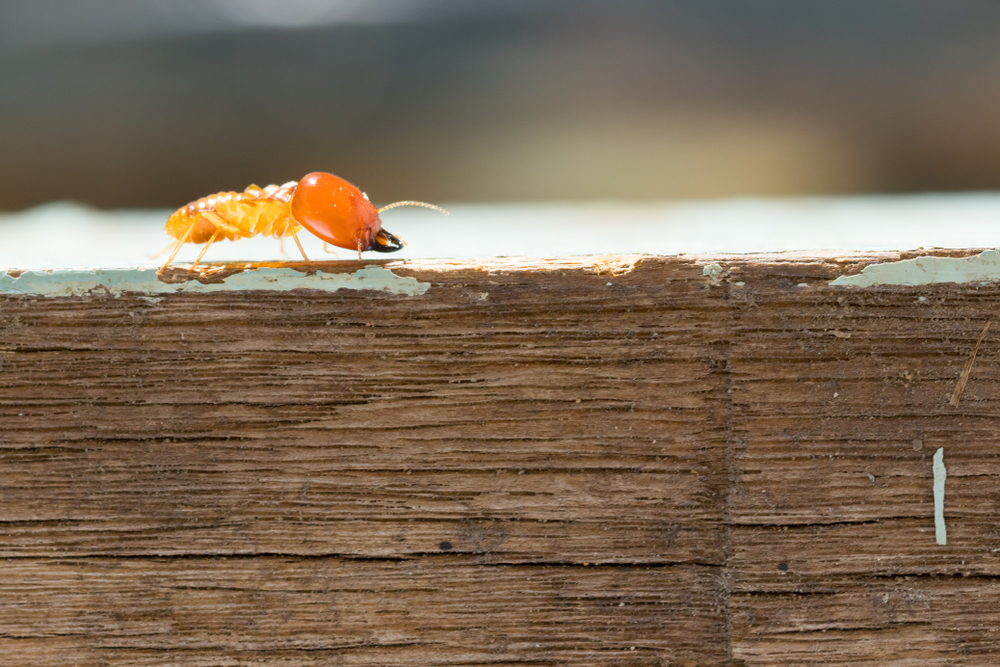
Portland’s wet winters, older housing stock, crawl spaces, and abundant wood around residential properties can create favorable conditions for termites. Because termite activity often stays hidden behind walls, beneath floors, or near foundations, recognizing the early signs can help homeowners address a problem before structural damage becomes extensive.
Quick answer: The most common warning signs of a termite problem include mud tubes along foundations, discarded wings near windows, groups of winged termites indoors, damaged or hollow-sounding wood, and moisture problems around crawl spaces or framing. In Portland homes, wood-to-soil contact and persistent moisture deserve particular attention because subterranean termites depend on soil and moisture to reach and remain inside structures.
What local homeowners should know
-
Mud tubes on concrete, foundation walls, piers, or other surfaces can indicate subterranean termite activity.
-
Wood that directly contacts soil can provide termites with an easier route into a structure.
-
Portland’s long wet season makes leaks, damp crawl spaces, drainage problems, and chronically moist wood especially important to correct.
-
Discarded wings or numerous winged termites indoors warrant closer investigation.
-
Older homes in neighborhoods such as Sellwood-Moreland, Alameda, Laurelhurst, and parts of Southeast Portland may have construction details or accumulated moisture issues that make regular inspection particularly useful.
Why Are Termites a Concern for Portland Homes?
Termites are a concern for Portland homes because subterranean termites can attack structural wood while remaining largely out of sight, and moisture can make properties more conducive to infestation. Oregon State University Extension identifies subterranean termites as a serious structural pest in the region and emphasizes correcting moisture and other underlying conditions as part of termite management.
That connection matters locally. Roof runoff, plumbing leaks, poor drainage, damp crawl spaces, deteriorated exterior wood, and soil contacting wooden building components can all create conditions worth investigating.
The age of local housing is another consideration. City of Portland planning information has reported that more than half of the city’s housing was built before 1960, including roughly one-third built before 1940. Older does not automatically mean termite-infested, but aging foundations, previous repairs, drainage changes, and decades of moisture exposure can create more places that deserve inspection.
At Frost Integrated Pest Management, we encourage homeowners to think beyond simply finding insects. We look at where termite activity may be coming from and which property conditions may be helping support it.
What Does Local Termite Activity Look Like?
Local termite activity often appears as subtle evidence rather than visible insects, including shelter tubes, wings, moisture-related wood deterioration, and concealed damage near foundations or crawl spaces. Oregon State University Extension notes that termites are rarely seen outside their nests except during reproductive swarms, which is one reason infestations can go unnoticed.
Subterranean termites generally nest in soil. They may travel between the soil and a structure through protected mud tubes rather than remaining exposed to open air.
Homeowners should pay particular attention to basement walls, crawl-space supports, sill areas, foundation edges, attached porches, decks, and places where landscaping or soil sits close to wooden components.
What Are the Early Warning Signs of Termites?
Early termite warning signs include mud tubes, discarded wings, indoor swarms, suspicious wood damage, and conditions that keep structural wood consistently damp or close to soil. No single sign should be used to diagnose an infestation by itself, but several warning signs together can justify a professional termite inspection.
Watch for:
-
Mud tubes: Pencil-width or irregular earthen tubes running along concrete, masonry, foundation walls, piers, or wood can indicate termite travel.
-
Discarded wings: Small piles of similar-sized wings around windowsills, doors, lighting, or other indoor areas can follow a reproductive swarm.
-
Winged termites indoors: Seeing multiple winged insects emerging inside the home deserves attention, particularly when they appear away from an open door or window.
-
Hollow or weakened wood: Wood that sounds hollow, feels unusually soft, or has visible internal galleries may have insect or moisture damage.
-
Damaged trim or flooring: Unexplained blistering, cracking, or weakened wood can warrant investigation, although these symptoms can have causes other than termites.
-
Wood-to-soil contact: Porch posts, siding, framing, landscaping timbers, or other wood touching soil can create favorable access conditions.
-
Persistent moisture: Plumbing leaks, poor drainage, wet crawl spaces, and damaged gutters can make conditions around structural wood more favorable.
Oregon State University specifically identifies mud tubes as a termite warning sign during home inspections.
When Should You Call a Termite Professional?
A professional termite inspection is appropriate when you find mud tubes, repeated indoor swarmers, discarded wings, unexplained structural wood damage, or multiple moisture-related risk factors around the home. Homeowners can monitor accessible areas, but determining whether termites are actively affecting concealed structural components often requires trained inspection.
Finding a single winged insect outside does not necessarily prove that termites are established inside your home. Oregon State University Extension notes that seeing one or two reproductive termites may simply reflect outdoor swarming, while seeing numerous individuals can provide more reason to investigate a possible household infestation.
Avoid tearing apart walls or structural materials to search for termites yourself. If wood appears significantly weakened, leave structural evaluation and treatment decisions to appropriate professionals.
What Common Conditions Attract Termites Around Portland Properties?
The most important termite-conducive conditions around Portland properties involve moisture, soil access, and wood that remains damp or contacts the ground. These conditions do not prove termites are present, but correcting them can make a property less favorable and can remove pathways termites may use to reach structural wood.
Common concerns include:
-
Wood touching soil. Deck components, siding, posts, stored lumber, or landscape wood against the ground can provide easier access.
-
Crawl-space moisture. Plumbing leaks, drainage problems, or inadequate moisture control can keep wood damp.
-
Roof and gutter leaks. Water repeatedly reaching fascia, siding, framing, or foundation areas can contribute to deterioration.
-
Poor grading or drainage. Water collecting near the foundation can increase moisture around vulnerable building components.
-
Old stumps and buried wood. Decaying wood around a property can support termite colonies in the surrounding environment.
-
Exterior wood deterioration. Rotten trim, damaged porch components, and chronically wet siding deserve attention.
These issues are particularly relevant through the Willamette Valley’s long rainy season.
How Can Portland Homeowners Help Prevent Termite Problems?
Portland homeowners can reduce termite risk by controlling moisture, limiting wood-to-soil contact, maintaining drainage, and routinely inspecting accessible foundation and crawl-space areas. Prevention does not make a property termite-proof, but it can eliminate conditions that make infestations easier to establish or harder to detect.
Check gutters and downspouts before the wetter months and make sure water moves away from the foundation. Repair plumbing and roof leaks rather than allowing moisture-damaged wood to remain wet.
Keep firewood, lumber, cardboard, and scrap wood from sitting directly against the house or on damp soil. In crawl spaces, look periodically for water intrusion, deteriorated wood, unexplained tubes, or changing conditions around foundation supports.
Spring and fall are useful times for a basic exterior inspection because seasonal weather can reveal drainage problems and insect activity.
What Results Can You Expect From a Termite Inspection?
A termite inspection should help determine whether visible evidence is consistent with termite activity, where conducive conditions exist, and what next steps are appropriate for the property. The goal is not simply to find insects but to understand how they may be accessing the structure and whether moisture or construction conditions also need correction.
Depending on what is found, recommendations may include monitoring, correcting moisture or wood-contact conditions, or discussing termite treatment options.
Integrated pest management also considers the underlying conditions contributing to pest activity rather than relying only on routine pesticide applications. Oregon State University Extension specifically recommends addressing conducive conditions as part of termite management.
What Mistakes Make Termite Problems Harder to Catch?
The biggest termite detection mistakes are waiting for obvious structural damage, assuming every winged insect is an ant, and treating visible evidence without investigating where the activity originated. Because termite colonies can remain concealed, early inspection is more useful than waiting until floors, trim, or structural members visibly fail.
Mistake: Ignoring a few mud tubes.
Consequence: Hidden activity may continue elsewhere in the structure.
Better approach: Document where you found them and arrange an inspection if the evidence appears suspicious.
Mistake: Fixing damaged wood without correcting moisture.
Consequence: The condition that contributed to deterioration remains.
Better approach: Find and repair leaks, drainage problems, or other moisture sources first.
Mistake: Assuming wings near a window are harmless.
Consequence: Evidence of an indoor swarm can be overlooked.
Better approach: Save a sample or clear photograph for identification.
Mistake: Relying only on what can be seen from living areas.
Consequence: Crawl-space, foundation, or sill activity may remain hidden.
Better approach: Include accessible structural areas in routine inspections.
What Is a Common Termite Scenario in a Portland Home?
A common local termite scenario begins with moisture or wood contact near a crawl space, porch, or foundation and only later produces obvious insect evidence inside the home. This is a representative scenario rather than a specific Frost Integrated Pest Management customer case.
For example, a homeowner in a neighborhood such as Sellwood-Moreland or Laurelhurst might notice discarded wings near a basement window after previously dealing with a damp crawl-space corner. Outside, a downspout may be releasing water near the foundation, while an older wooden porch component sits close to soil.
Individually, these clues do not confirm termites. Together, they provide a good reason to inspect the area more carefully.
What Termite Service Solutions May Be Recommended?
Termite service solutions depend on the species, location of activity, construction of the property, and conditions supporting the infestation. A proper approach may combine inspection, moisture correction, removal of wood-to-soil contact where practical, monitoring, and an appropriate termite treatment strategy when active infestation is confirmed.
Subterranean termite management can include treatment approaches such as soil barriers or bait systems. The appropriate option depends on the property and inspection findings rather than a one-size-fits-all treatment plan.
Is DIY Monitoring or Professional Inspection the Better Option?
DIY monitoring works best for routine prevention checks, while professional inspection is the better choice when homeowners discover evidence that could indicate active termites or concealed structural involvement. Looking for leaks, mud tubes, wings, soil contact, and deteriorated wood is reasonable homeowner maintenance, but confirming an infestation requires more expertise.
A homeowner can safely document suspicious areas and correct obvious drainage or storage problems. Professional help becomes more valuable when evidence is repeated, difficult to identify, located inside the structure, or associated with damaged structural wood.
What Areas Do We Serve Around Portland?
We help property owners in Portland and surrounding communities evaluate pest concerns and the property conditions that may contribute to them. Local service needs may extend throughout the metro area, including nearby communities such as Beaverton, Gresham, Milwaukie, and areas of Multnomah, Washington, and Clackamas counties.
Service availability for a specific address can be confirmed when requesting an appointment.
What Can Happen if You Ignore Possible Termite Activity?
Ignoring possible termite activity can allow concealed wood damage to progress and can make eventual repairs more complicated, especially when moisture problems remain unresolved. Termites typically do not create catastrophic damage overnight, so homeowners should respond promptly without assuming that every suspicious sign represents an emergency.
The larger risk is allowing unexplained evidence to remain unchecked for months or years. Annual inspection of moisture-prone and insect-prone areas can help homeowners spot changes earlier, according to Oregon State University Extension.
FAQ About Termites in Portland Homes
Are termites common in Portland, Oregon?
Termites are established structural pests in the Pacific Northwest, including the Portland region. Oregon State University identifies subterranean termites as a serious structural pest in Oregon. Local homeowners should be particularly attentive to moisture, soil contact, crawl spaces, and other conditions that can provide termites with access to wooden building components.
What time of year do termites swarm around Portland?
Termite swarming depends on species and weather conditions, and activity can occur when suitable temperature and moisture conditions trigger reproductive termites to leave established colonies. Oregon State University notes that subterranean termite colonies can produce winged reproductives following favorable conditions, including rain. Finding numerous swarmers indoors deserves further investigation.
Do Portland’s rainy winters increase termite risk?
Wet conditions can increase the moisture problems that make a property more conducive to termite activity, although rainfall alone does not mean a home will develop termites. Leaks, wet crawl spaces, poor drainage, and damp structural wood are more useful warning conditions for homeowners to monitor.
Are older Portland homes more likely to have termites?
An older home is not automatically more likely to contain termites, but age can create additional inspection considerations. Portland has a substantial inventory of older housing, and older properties may have drainage changes, aging wood, additions, repairs, or foundation details that deserve careful inspection when termite evidence appears.
How can I tell termites from flying ants in Portland?
Termites and flying ants have different body shapes, antennae, and wing characteristics, but homeowners can easily confuse the two during a swarm. Rather than relying on a quick visual guess, keep a specimen or take a clear photograph if possible and have suspicious insects identified when multiple individuals appear indoors.
Does finding one termite mean my Portland home is infested?
Finding one termite does not automatically prove that your home contains an active colony. Winged reproductive termites can enter from outdoors during seasonal swarms. However, repeated indoor sightings, numerous swarmers, discarded wings, mud tubes, or associated wood damage provide stronger reasons to arrange a professional inspection.
Should I remove old stumps and wood piles around my Portland property?
Removing unnecessary wood-to-soil contact and keeping stored wood dry can reduce conditions favorable to termites near the home. Old stumps and buried wood can support termite activity outdoors, so keeping structural wood separated from soil and correcting excess moisture around the foundation are useful preventive measures.
Can termites live in a Portland crawl space?
Termites can reach wood in or around a crawl space when they have suitable access from soil and favorable moisture conditions. Crawl-space inspections should include foundation surfaces, sill areas, supports, moisture levels, plumbing leaks, and wood deterioration. Mud tubes or suspicious structural damage warrant closer professional evaluation.
Protect Your Portland Home Before Hidden Damage Progresses
Termite problems are easier to address when the warning signs are recognized early. Regular moisture control, careful inspection of foundation and crawl-space areas, and prompt evaluation of suspicious tubes, wings, or wood damage can help Portland homeowners make informed decisions before a concealed problem becomes more extensive.
Get Clear Answers About Possible Termite Activity
We can help you determine whether suspicious signs point to termite activity and what next steps make sense for your property.