
Pest Control for Portland Restaurants: Protecting Food, Customers, and Your Reputation
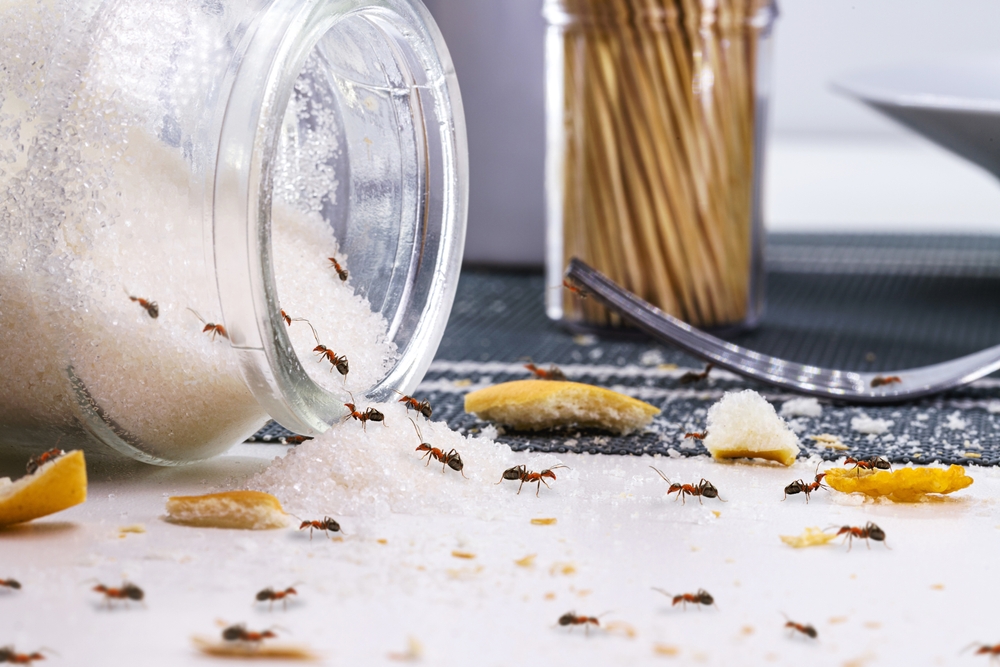
Portland restaurants face pest pressures that can change with the season, the building, and even the activity in the surrounding neighborhood. Rainy stretches, shared commercial spaces, food deliveries, waste areas, and older buildings can all create opportunities for rodents, flies, cockroaches, ants, and other pests.
For restaurant owners and managers, pest control is not simply about reacting when something appears. It is about protecting food, maintaining sanitary conditions, limiting business disruption, and preventing small pest pressures from becoming larger problems.
What Does Effective Pest Control for Portland Restaurants Involve?
Effective pest control for Portland restaurants combines routine inspections, sanitation, exclusion, monitoring, and targeted treatment when needed. The goal is to identify what is attracting or allowing pests into the building, correct those conditions where possible, and monitor areas where pest activity is most likely to develop.
What local restaurant operators should know:
-
Kitchens, storage rooms, dumpsters, floor drains, and delivery areas should all be considered when evaluating pest pressure.
-
Portland’s wet climate can increase moisture around commercial properties and provide conditions that support certain pests.
-
Older commercial buildings in areas such as Downtown, the Pearl District, and inner Southeast Portland may have gaps, penetrations, or shared spaces that complicate pest prevention.
-
Regular monitoring can reveal activity before customers encounter a visible pest problem.
-
Pest management works best when restaurant staff and pest professionals address sanitation, access points, and pest activity together.
Why Does Pest Control Matter for Portland Restaurants?
Pest control matters for Portland restaurants because food businesses provide many of the things pests seek, including food, water, warmth, shelter, and protected nesting areas. Dense commercial districts can add another challenge because pests may move between neighboring buildings, utility areas, alleys, waste zones, and other connected spaces.
Conditions can also vary considerably across the city. A restaurant near the Willamette River may have different exterior pressures than a neighborhood establishment in Sellwood-Moreland or Alberta. Restaurants operating in older mixed-use buildings may also share walls, utility penetrations, basements, or waste areas with other businesses.
Frost Integrated Pest Management helps restaurant operators address pest activity with an integrated approach. We look beyond the visible pest to consider access, food sources, moisture, harborage, and other conditions that may contribute to recurring problems.
What Do Local Conditions Tell Us About Restaurant Pest Pressure?
Local conditions suggest that Portland restaurants should treat pest prevention as an ongoing operational responsibility rather than a one-time response. The region’s wet seasons, mild periods, dense commercial corridors, and mix of older and newer buildings can create changing pest pressures throughout the year.
From a pest management perspective, moisture deserves particular attention. Leaking plumbing, wet floor drains, condensation, exterior drainage issues, and damp storage areas can support pest activity. Restaurant operations also create frequent movement through doors and loading areas, giving pests additional opportunities to enter.
These conditions do not mean every restaurant will experience the same pest problem. They do mean routine inspection and monitoring are valuable for identifying vulnerabilities specific to each property.
How Can Pests Affect a Local Restaurant?
Pests can affect a restaurant through food contamination concerns, damaged products, staff disruption, sanitation problems, and negative customer experiences. Even limited visible activity can become significant when it occurs in a dining room, food preparation area, storage space, or other customer-facing environment.
For Portland restaurant operators, reputation is especially important in neighborhoods with concentrated dining options such as the Pearl District, Downtown, Hawthorne, and Division. Customers have choices, and a visible pest can quickly undermine confidence in an otherwise well-run establishment.
Pest activity can also create hidden costs through discarded ingredients, damaged packaging, additional cleaning, staff time, and emergency service needs.
What Are the Warning Signs of a Restaurant Pest Problem?
Warning signs of a restaurant pest problem include droppings, damaged food packaging, unusual odors, live or dead insects, gnaw marks, nesting materials, and repeated activity around drains or waste areas. Staff should report these signs promptly rather than waiting for the problem to become more visible.
Watch for:
-
Droppings in storage rooms, beneath equipment, or along walls.
-
Gnawing or holes in food packaging and cardboard boxes.
-
Cockroaches or other insects seen when equipment is moved or lights are turned on.
-
Small flies repeatedly appearing around drains, sinks, bars, or beverage stations.
-
Grease marks, rub marks, or signs of rodent travel along walls.
-
Nesting material in secluded storage or utility areas.
-
Pest activity around dumpsters, grease storage, loading areas, or exterior doors.
-
Repeated sightings even after cleaning and sanitation efforts.
When Should a Portland Restaurant Call a Pest Professional?
A Portland restaurant should call a pest professional when there is confirmed pest activity, repeated sightings, evidence of rodents or cockroaches, unexplained contamination, or a problem that continues despite sanitation efforts. Professional evaluation is also useful when operators cannot determine where pests are entering or nesting.
Restaurant employees can safely monitor sanitation, keep food properly stored, clean spills, report pest evidence, and check doors for obvious gaps. Treatment decisions, identification of persistent infestations, and pest activity in difficult-to-access building areas are better addressed by a trained pest professional.
Early attention can also make it easier to address contributing conditions before activity spreads.
What Commonly Causes Pest Problems in Portland Restaurants?
The most common restaurant pest problems develop when pests gain access to reliable food, moisture, or shelter. In Portland, building conditions and restaurant operations can combine to create several recurring vulnerabilities.
1. Openings around the building: Gaps beneath doors, utility penetrations, damaged screens, and openings around pipes can provide entry points.
2. Food and grease buildup: Crumbs, spills, grease, and residue beneath equipment can provide food in places routine surface cleaning may miss.
3. Moisture: Plumbing leaks, floor drains, condensation, and persistently damp areas can support insects and other pests.
4. Waste handling: Overflowing containers, residue around dumpsters, and poorly maintained waste areas can attract pests outside the restaurant.
5. Deliveries and storage: Cardboard boxes, food shipments, pallets, and other incoming materials can introduce pests or provide hiding places.
6. Shared buildings: Restaurants in mixed-use or multi-tenant properties may face pest movement from adjoining spaces.
How Can Restaurants Prevent Pest Problems?
Restaurants can prevent many pest problems by combining daily sanitation with routine building checks, proper food storage, waste management, and professional monitoring. Prevention should cover the entire property rather than focusing only on the kitchen.
Keep ingredients in appropriate containers, clean beneath and behind equipment, and address spills promptly. Inspect exterior doors and weather stripping, especially around receiving areas. Keep dumpsters and waste zones as clean as practical, and avoid allowing unnecessary clutter to accumulate in storage rooms.
During Portland’s wetter months, pay additional attention to moisture. Check plumbing areas, drains, exterior drainage, and locations where water may persist.
DIY efforts should focus on sanitation, organization, and basic monitoring. If pest activity is established or recurring, professional identification and treatment can help avoid ineffective approaches.
What Results Should Restaurant Operators Expect From Professional Pest Management?
Restaurant operators should expect professional pest management to focus on identifying pest activity, locating contributing conditions, applying appropriate control measures, and monitoring results over time. The exact process depends on the pest, building, severity of activity, and conditions found during inspection.
Some problems may improve after sanitation or exclusion issues are corrected. Others require continued monitoring and targeted service because pest pressure can originate from exterior areas or neighboring spaces.
Integrated pest management is particularly useful in food-service environments because it emphasizes prevention and correcting conditions alongside treatment.
What Pest Control Mistakes Should Restaurants Avoid?
Common pest control mistakes include waiting for repeated sightings, relying only on surface cleaning, and treating visible pests without addressing why they are present.
Mistake: Ignoring a single sighting.
Consequence: Visible activity may represent a larger issue in a hidden area.
Better approach: Document the sighting and inspect the surrounding space.
Mistake: Focusing only on the dining room.
Consequence: Storage rooms, drains, kitchens, and waste areas may continue supporting activity.
Better approach: Evaluate the entire property.
Mistake: Treating without correcting access or sanitation issues.
Consequence: Pest pressure may return.
Better approach: Combine control with exclusion, sanitation, and monitoring.
Mistake: Leaving staff out of the process.
Consequence: Early warning signs may go unreported.
Better approach: Establish a simple procedure for employees to report pest evidence.
What Is a Common Local Restaurant Pest Scenario?
A common local scenario is a restaurant that notices occasional pest activity near a rear service or storage area but sees little or nothing in the dining room. The temptation is to treat the visible area and assume the problem is resolved.
A broader inspection may need to consider the exterior door, nearby waste area, food storage practices, plumbing penetrations, moisture, and spaces beneath equipment. In a dense Portland commercial area, neighboring units and shared structural features may also matter.
This is why finding and addressing contributing conditions is often more useful than responding only to the pest that happened to be seen.
Which Pest Control Services Can Help Restaurants?
Restaurant pest control services can help through inspection, monitoring, identification, exclusion recommendations, targeted treatment, and ongoing pest management based on conditions at the property. The appropriate strategy depends on whether the concern involves rodents, cockroaches, flies, ants, or another pest.
At Frost Integrated Pest Management, we can evaluate the restaurant environment and develop pest management recommendations around the conditions we find.
Should Restaurants Use DIY or Professional Pest Control?
DIY prevention is useful for sanitation, storage, maintenance checks, and reporting, while professional pest control is better suited to established or recurring pest activity. Restaurant operators should view the two approaches as complementary rather than interchangeable.
Staff members are essential for maintaining clean workspaces, managing food and waste, and noticing early warning signs. A pest professional can identify species, investigate entry points and harborage, recommend corrective measures, and determine appropriate control methods.
For a food-service business, a structured prevention program is generally more useful than repeatedly reacting to individual sightings.
What Areas Around Portland Can Restaurant Pest Management Support?
Restaurant pest management can be relevant throughout Portland, including Downtown, the Pearl District, Alberta, Hawthorne, Division, and Sellwood-Moreland, as well as surrounding parts of Multnomah County. Building type, neighboring properties, waste handling, and surrounding conditions can influence the pest pressures each location experiences.
Restaurants in nearby communities may face many of the same food-service pest challenges.
What Can Happen If a Restaurant Ignores Pest Activity?
Ignoring pest activity can allow a manageable issue to spread into food storage, preparation areas, walls, utility spaces, or customer-facing parts of the restaurant. Delays can also increase the amount of cleaning, product disposal, investigation, and corrective work required.
A restaurant does not need to wait for widespread activity before taking action. Documenting signs, improving sanitation, correcting obvious access points, and requesting professional evaluation can reduce uncertainty and help management respond appropriately.
Frequently Asked Questions About Portland Restaurant Pest Control
What pests should Portland restaurants watch for?
Portland restaurants should watch for rodents, cockroaches, flies, ants, and other pests attracted to food, water, waste, or shelter. The pests present can vary by property and season, so accurate identification matters. Monitoring kitchens, storage rooms, drains, loading areas, and waste zones can help detect activity earlier.
How often should a Portland restaurant be checked for pests?
A Portland restaurant should monitor for pests routinely, but the appropriate professional service frequency depends on the property, pest pressure, operating conditions, and previous activity. Restaurants with recurring pest issues or significant exterior pressures may need more frequent attention than locations with few identified vulnerabilities.
Does Portland’s rainy weather contribute to pest problems?
Portland’s rainy weather can contribute to conditions that support some pest activity, particularly when moisture accumulates around a building or indoors. Leaks, drains, damp storage areas, and exterior water management deserve attention. Weather is only one factor, however, and food availability, shelter, sanitation, and entry points also matter.
Are older Portland restaurant buildings more vulnerable to pests?
Older Portland restaurant buildings can have pest vulnerabilities when aging doors, utility penetrations, cracks, basements, or shared structural spaces create access and shelter. Age alone does not determine whether a building will have pests. Regular inspection and maintenance can help identify specific openings or conditions that need attention.
Can restaurant employees handle pest prevention themselves?
Restaurant employees can handle important preventive tasks such as sanitation, food storage, waste management, basic building checks, and reporting pest evidence. Established infestations, repeated activity, uncertain pest identification, or problems involving hidden areas should be evaluated professionally so the response can address the source rather than only visible symptoms.
Why do small flies keep appearing around restaurant drains?
Small flies around restaurant drains may indicate organic buildup, moisture, or another breeding source nearby. Simply eliminating visible adult flies may not resolve the underlying issue. The specific fly should be identified, and drains, beverage areas, plumbing, and other moist locations should be evaluated to find potential breeding conditions.
What should a Portland restaurant do after seeing a rodent?
A Portland restaurant should document where and when the rodent was seen, inspect nearby areas for droppings or damage, secure exposed food, review sanitation, and arrange professional evaluation when warranted. Doors, wall penetrations, storage areas, waste zones, and other potential travel routes should also be checked.
Can pests move between neighboring Portland businesses?
Yes, pests can move between neighboring businesses when buildings share walls, utility pathways, structural openings, alleys, or exterior pest pressures. This can make pest management more complicated in dense commercial areas. A restaurant may need to address vulnerabilities within its own space even when some pest pressure originates elsewhere.
Protect Your Restaurant With a Proactive Pest Management Plan
Restaurant pest management works best when prevention, monitoring, sanitation, exclusion, and appropriate treatment work together. For Portland food-service businesses, staying alert to changing building and seasonal conditions can help protect food, customers, daily operations, and the reputation the restaurant has worked to build.
Protect Your Portland Restaurant From Preventable Pest Problems
We help restaurant operators identify pest pressures and take practical steps toward a cleaner, better-protected food-service environment.