
The Role of Humidity Control in Preventing Indoor Pest Infestations in Portland
If you’ve ever noticed ants, spiders, or rodents becoming a recurring problem after a wet season, you’re not alone. Across Portland, damp crawl spaces, older basements, and moisture-prone homes create ideal conditions for many common indoor pests. The region’s frequent rainfall and persistent humidity can turn hidden areas of a property into long-term pest harborage sites if moisture issues are not addressed.
Humidity control plays a critical role in indoor pest prevention Portland homeowners and business owners can rely on. Excess moisture attracts pests by providing the water they need to survive and creating favorable conditions for nesting, breeding, and shelter. In Portland’s damp climate, managing indoor humidity is often one of the most effective ways to reduce recurring pest activity before infestations develop.
What Portland Property Owners Should Know
- High indoor humidity creates conditions that attract ants, spiders, rodents, and other common pests found throughout the Portland metro area.
- Moisture control pest prevention strategies often reduce pest pressure before chemical treatments become necessary.
- Crawl spaces, basements, and older homes in Multnomah County are particularly vulnerable to humidity-related pest issues.
- Prevent pests in humid homes by addressing leaks, improving ventilation, and reducing excess moisture year-round.
- Integrated Pest Management Portland strategies focus on long-term prevention rather than simply reacting to active infestations.
Why Moisture Creates Unique Pest Challenges in the Portland Area
Humidity and pests Portland property owners deal with are closely connected because of the region’s climate. Annual rainfall, extended wet seasons, and frequent overcast conditions can keep moisture levels elevated both indoors and outdoors.
Neighborhoods with older housing stock, including areas such as Sellwood-Moreland, Irvington, St. Johns, Alberta Arts District, and Montavilla, often have basements, crawl spaces, or aging ventilation systems that can contribute to moisture accumulation. Properties near the Willamette River and Columbia River corridors may also experience elevated moisture conditions.
Commercial properties, restaurants, offices, and retail spaces face similar challenges. Even small amounts of excess humidity can create attractive environments for pests seeking water sources and shelter.
At Frost Integrated Pest Management, we regularly see moisture issues contributing to recurring pest activity. Our prevention-focused approach combines pest management expertise with environmental assessments that identify the conditions allowing pests to thrive.
Indoor pests are rarely attracted to a property by chance. Most infestations occur because food, water, and shelter are readily available. While many people focus on eliminating food sources, moisture is often the overlooked factor that allows infestations to persist.
Humidity control is one of the most effective long-term pest prevention strategies in the Portland region because many common indoor pests require reliable moisture sources to survive. Reducing excess humidity helps make indoor environments less attractive and less hospitable to pest populations.
Moisture Conditions That Encourage Pest Activity
Local weather patterns contribute significantly to indoor moisture problems. According to the National Weather Service, western Oregon experiences extended periods of wet weather throughout much of the year. These conditions can increase indoor humidity levels when homes and buildings are not properly ventilated.
The City of Portland and regional housing professionals also recognize moisture management as an important component of maintaining healthy residential structures. Crawl spaces, basements, attics, and poorly ventilated storage areas are among the most common locations where moisture accumulates.
Local Moisture and Pest Realities
- Crawl space moisture Portland homeowners experience can remain undetected for months.
- Damp basements frequently attract ants, spiders, and moisture-seeking insects.
- Rodents often enter structures searching for water during periods of prolonged rain.
- Older homes may have ventilation challenges that increase indoor humidity.
- Condensation around pipes and HVAC systems can create hidden pest habitats.
- Commercial buildings with storage areas and utility rooms may experience similar moisture-related risks.
- Seasonal pest control Portland OR efforts are often more effective when moisture sources are addressed simultaneously.
If recurring pest activity continues despite repeated treatments, humidity and moisture conditions should be evaluated as part of the investigation.
For homeowners and business owners interested in long-term pest prevention, understanding the environmental factors driving infestations is often the first step toward lasting results.
Local Data and Environmental Conditions
Humidity-related pest activity is particularly relevant in the Portland metro area because of the region’s climate. Extended wet seasons can increase moisture levels in crawl spaces, basements, garages, and other enclosed areas. Field observations throughout Multnomah, Washington, and Clackamas counties consistently show that properties with unresolved moisture issues experience more recurring pest concerns than comparable properties with effective moisture management.
We often find that moisture problems and pest activity occur together. Water intrusion, poor drainage, condensation, and inadequate ventilation frequently create conditions that support long-term infestations.
How Humidity Impacts Homes and Businesses
Humidity-related pest infestations can lead to ongoing pest activity, property damage, and increased treatment needs. Moisture creates favorable conditions that allow pest populations to establish themselves and return repeatedly.
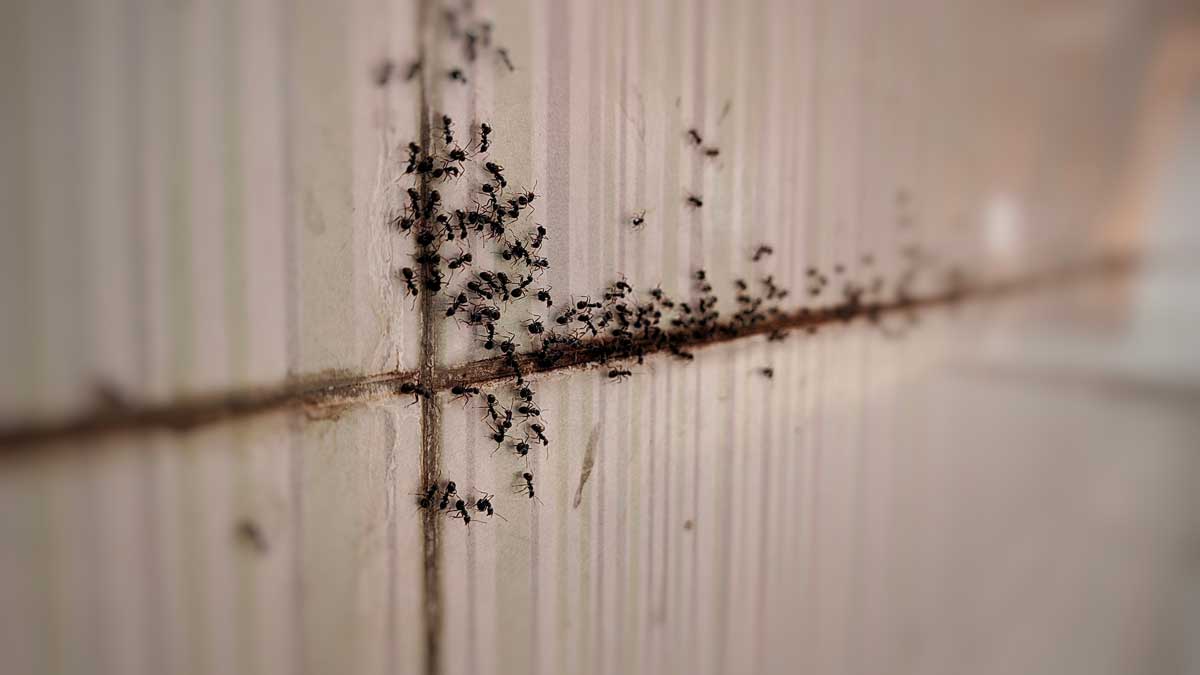
For homeowners, this may mean recurring ant trails, spider activity, or rodent presence. For businesses, especially restaurants and retail facilities, persistent moisture can increase sanitation concerns and operational disruptions.
Addressing the environmental conditions behind infestations often reduces future pest pressure and supports more sustainable control outcomes.
Expert Commentary
Humidity management is one of the most overlooked aspects of effective pest prevention. Many property owners focus only on removing visible pests without addressing the moisture conditions that attracted them in the first place.
Through our Integrated Pest Management Portland approach, we emphasize prevention-based solutions. By identifying excess moisture, improving exclusion measures, and targeting pest entry points, we help reduce conditions that encourage future infestations.
Warning Signs of Excess Humidity and Pest Risk
Warning signs of humidity-related pest problems often appear before a full infestation develops. Recognizing these indicators early can help prevent more serious issues.
Common warning signs include:
- Musty odors in basements or crawl spaces
- Condensation on windows or pipes
- Visible mold or mildew growth
- Frequent ant activity near kitchens or bathrooms
- Increased spider presence in corners and storage areas
- Rodent droppings near utility rooms or crawl spaces
- Damp insulation or standing water beneath structures
- Recurring pest issues despite previous treatments
Ignoring these warning signs can allow pest populations to become more established over time.
When to Call a Professional
Professional assistance is recommended when pest activity continues despite moisture reduction efforts or when the source of humidity is difficult to identify. Properties with persistent moisture problems, recurring infestations, or inaccessible crawl spaces often benefit from a comprehensive inspection.
While homeowners can monitor humidity levels, repair minor leaks, and improve ventilation, larger structural moisture concerns and recurring pest issues generally require expert evaluation.
Common Causes of Moisture-Related Pest Problems
Humidity-related pest issues in the Portland area are most commonly caused by water intrusion, poor ventilation, and excess moisture retention.
Frequent contributing factors include:
- Crawl space moisture accumulation
- Basement leaks and seepage
- Inadequate ventilation systems
- Roof and gutter drainage issues
- Plumbing leaks
- Condensation around HVAC equipment
- Poor exterior grading near foundations
These conditions create reliable water sources that attract pests and support long-term infestations.
Prevention Strategies for Moisture and Pest Control
Preventing humidity-related pest infestations requires a combination of moisture management and pest exclusion techniques. Home humidity control Portland residents implement should focus on reducing excess moisture before pests become established.
Recommended prevention measures include:
- Repair plumbing leaks promptly
- Improve crawl space ventilation
- Use dehumidifiers in damp areas
- Maintain gutters and downspouts
- Seal foundation and exterior entry points
- Monitor indoor humidity levels
- Schedule regular pest inspections
DIY efforts can be helpful, but recurring moisture problems often require a more comprehensive evaluation.
Expected Results From Moisture Control Efforts
Effective humidity management can reduce pest pressure, limit breeding opportunities, and decrease the likelihood of recurring infestations. While results vary by property and pest type, many property owners notice fewer pest sightings after addressing moisture issues.
Long-term benefits often include improved indoor conditions, reduced pest activity, and lower reliance on reactive treatments.
Local Insight
Many of the recurring pest situations we encounter involve a combination of moisture issues and structural vulnerabilities. Addressing both factors together typically produces more sustainable outcomes than focusing on pest treatments alone.
Common Mistakes Property Owners Make
One common mistake is treating visible pests without investigating underlying moisture conditions. The immediate pest problem may improve temporarily, but the infestation often returns if humidity issues remain unresolved.
Another mistake is overlooking crawl spaces and basements. These hidden areas frequently serve as the source of ongoing pest activity.
A better approach combines moisture management, exclusion work, and targeted pest control measures.
A Common Local Scenario
Consider a homeowner in an older Northeast Portland property who repeatedly experiences ant activity every rainy season. Surface treatments provide temporary relief, but the problem returns annually.
Upon inspection, excessive crawl space moisture and poor ventilation are identified. After improving moisture control and implementing exclusion measures, pest pressure is significantly reduced and recurring activity becomes easier to manage.
This example reflects a common pattern seen throughout older residential properties in the region.
Related Service Solutions
Integrated pest management Portland services are designed to address both active pest issues and the environmental conditions contributing to them. Solutions may include inspections, exclusion work, targeted treatments, moisture-related risk identification, and ongoing monitoring.
We focus on identifying the root causes of pest activity so property owners can achieve more lasting results.
Comparing Your Options
DIY moisture management can help reduce minor humidity concerns, but professional evaluations often identify hidden risks that are not immediately visible.
For recurring infestations, professional inspections provide a more comprehensive understanding of contributing factors. Prevention-focused services frequently offer a more sustainable solution than repeatedly treating symptoms alone.
Service Areas
We serve homeowners, property managers, landlords, and businesses throughout Portland and surrounding communities, including Beaverton, Gresham, Tigard, Lake Oswego, Hillsboro, and other nearby areas across the metro region.
Our familiarity with local housing conditions, moisture challenges, and seasonal pest patterns helps us provide recommendations tailored to the area.
The Cost of Ignoring Moisture Problems
Ignoring humidity-related pest risks can lead to larger infestations, increased property maintenance costs, and recurring pest control expenses. Moisture can also contribute to structural concerns and indoor environmental issues over time.
Addressing moisture concerns early is often more cost-effective than managing ongoing pest problems after they become established.
FAQ
How does humidity attract pests indoors?
Humidity attracts pests by providing the moisture many species need to survive. Ants, spiders, rodents, and other pests often seek out damp areas where water sources are consistently available.
Why are moisture-related pests common in Portland?
Moisture-related pests are common because Portland experiences frequent rainfall and extended damp seasons. These conditions can create ideal environments for pests when moisture accumulates indoors.
Can a dehumidifier help prevent pests?
Yes. A dehumidifier can reduce excess moisture in basements, crawl spaces, and other enclosed areas. Lower humidity levels often make spaces less attractive to moisture-seeking pests.
What pests are most associated with moisture problems?
Common moisture-related pests include ants, spiders, silverfish, centipedes, and rodents. Different species are attracted to damp conditions for water, shelter, or food availability.
Is crawl space moisture linked to pest infestations?
Yes. Crawl space moisture Portland homeowners experience frequently contributes to pest activity by creating humid, protected environments that support nesting and movement.
How can landlords reduce pest issues in apartment buildings?
Landlords can improve ventilation, repair leaks, address drainage issues, and schedule regular inspections. Prevention-based maintenance often reduces recurring pest concerns.
What is Integrated Pest Management?
Integrated Pest Management is a prevention-focused approach that combines inspection, exclusion, monitoring, environmental improvements, and targeted treatments to reduce pest activity.
When should I schedule a pest inspection?
A pest inspection is recommended when recurring pest activity, moisture issues, or unexplained signs of infestation are present. Early intervention often prevents larger problems.
Portland’s climate creates unique challenges when it comes to moisture and pest management. Understanding how humidity contributes to infestations is an important step toward protecting homes and businesses from recurring pest issues.
Protect Your Property With Prevention-Focused Pest Solutions
Moisture problems and pest infestations often go hand in hand. Our team understands the local conditions that contribute to recurring pest activity and can help identify risk factors before they become larger problems.