
Food Storage Mistakes That Invite Pests into Portland Homes and Businesses
Portland, OR is a city known for its farm-to-table culture, thriving restaurant scene, and passionate home cooks. But with all that food comes a serious responsibility: proper storage. Whether you run a busy kitchen in the Pearl District or stock a pantry in Southeast Portland, the way you store food has a direct impact on whether pests decide to move in. Pest control in Portland, OR is a growing concern for homeowners and business owners alike, and many infestations start with the same simple, avoidable mistakes.
Understanding what draws pests in is the first step toward keeping them out. From pantry moths to rats, the pests that plague Portland homes and businesses are almost always following one thing: a reliable food source. Here is what you might be doing wrong, and how to fix it before an infestation takes hold.
Leaving Food in Its Original Packaging
One of the most common food storage mistakes that undermines pest prevention in Portland is leaving dry goods in their original bags and boxes. Cardboard cereal boxes, paper flour bags, and thin plastic chip bags offer almost no protection against determined pests. Pantry moths can chew through plastic wrap. Mice can gnaw through cardboard with ease. If you are storing rice, pasta, oats, flour, or cereal in their store-bought packaging, you are essentially leaving the door open.
The fix is straightforward. Transfer dry goods into hard, airtight containers made of glass or thick plastic with secure lids. Label them with the purchase date so you can rotate stock properly. This single habit change is one of the most recommended Portland, OR pest prevention tips because it eliminates the easy access pests rely on. In restaurant and commercial kitchen settings, this practice is not just smart, it is often required by health code. Proper pest control for restaurants in Portland, OR starts with the basics, and airtight storage is at the top of the list.
Ignoring Spills, Crumbs, and Residue
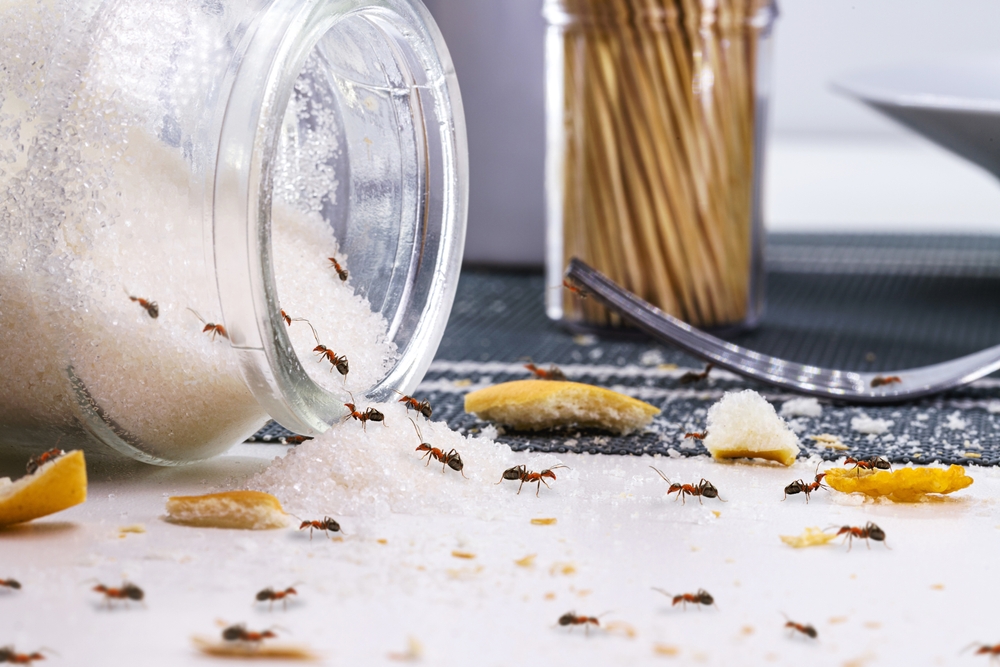
A sticky honey drizzle left on a pantry shelf. A few crumbs under the toaster. A splash of juice behind the refrigerator. These small messes seem harmless, but to a pest, they are a feast. Ants, cockroaches, and rodents have highly sensitive senses of smell, and they can detect food residue from impressive distances. Once they find a consistent source, they communicate it to the rest of their colony or family group, and suddenly you have an infestation rooted in nothing more than a forgotten spill.
For homeowners, this means building a habit of cleaning up immediately after cooking and eating. Wipe down shelves regularly, sweep under appliances, and pay special attention to corners and tight spaces where crumbs tend to accumulate. For commercial kitchens, the stakes are even higher. Restaurants in Portland, OR are held to strict sanitation standards, and failure to address residue buildup is one of the leading causes of pest complaints. A routine deep-cleaning schedule, paired with professional pest control in Portland, OR, goes a long way toward staying compliant and keeping pests out.
Storing Pet Food and Bird Seed Improperly
Many Portland residents are pet owners and backyard birding enthusiasts, but they often overlook the pest risks that come with storing animal food. A large bag of kibble left open in the garage, or a bucket of birdseed stored on a porch, can attract rodents, raccoons, and insects almost overnight. Portland’s damp climate and abundant green spaces make it especially attractive to wildlife that is always on the lookout for easy food sources.
Pet food should be stored in sealed, hard-sided containers, ideally indoors or in a secure storage area. Do not leave food out in your pet’s bowl overnight, as this is a known attractant for rodents. Birdseed should be stored in metal or thick plastic containers with tight-fitting lids, and any seed that falls to the ground should be cleaned up regularly. These food storage pest prevention habits in Portland are easy to adopt and make a noticeable difference. If you are already dealing with rodent activity around pet food storage areas, it is worth contacting a pest control professional in Portland, OR to assess the situation before it worsens.
Mismanaging Produce, Compost, and Trash
Fresh produce left on the counter too long, overripe fruit sitting in a bowl, or a compost bin without a secure lid are all open invitations for fruit flies, gnats, ants, and even larger pests. Portland residents tend to be environmentally conscious, which is wonderful, but composting and produce storage require some extra care when it comes to pest prevention.
For produce, use your refrigerator more aggressively. Fruits and vegetables that are past their prime should be composted or discarded promptly rather than left sitting out. If you compost at home, choose a bin with a secure, latching lid and avoid adding meat, dairy, or cooked foods, which break down quickly and release strong odors. Indoor compost bins should be emptied frequently, especially during warmer months when decomposition speeds up.
Trash management is equally important. Use trash cans with locking or tight-fitting lids both indoors and outdoors. Rinse food containers before placing them in the recycling bin, since residue in cans and bottles is a common overlooked attractant. For Portland, OR businesses, especially those in the food service industry, proper waste management is a cornerstone of pest control for restaurants in Portland, OR. Dumpsters should be positioned away from building entrances when possible, kept clean, and emptied on a consistent schedule.
Overlooking the Storage Areas Themselves
Even if you store food correctly, the storage environment itself can undo your efforts. Dark, cluttered, and damp spaces are ideal harborage areas for pests. A pantry that never gets cleaned out, a basement storage area packed with old boxes, or a dry goods room in a restaurant with poor ventilation can all harbor pest activity even when food containers are sealed.
Organizing and decluttering storage spaces regularly is an important but often overlooked part of food storage pest prevention in Portland. Pull everything out of pantries and storage rooms at least twice a year, inspect for signs of pest activity such as droppings, gnaw marks, or shed skins, and wipe down shelves thoroughly. Use shelf liners that are easy to clean and replace. Install adequate lighting in storage areas, as pests prefer darkness and are less likely to establish themselves in well-lit spaces.
For businesses, this also means conducting regular inventory audits and discarding expired or damaged products. Old stock sitting at the back of a shelf is not just a food safety issue but also a pest risk. Broken packaging, moisture exposure, and long storage times can all attract insects. Combining these organizational practices with professional pest control in Portland, OR creates a comprehensive approach that protects both residential and commercial spaces.
Conclusion
Portland, OR’s vibrant food culture is one of its greatest strengths, but it also comes with pest risks that should not be underestimated. Most infestations can be traced back to simple, correctable food storage habits. By sealing dry goods, cleaning up spills promptly, securing pet food and compost, managing trash properly, and keeping storage areas organized, both homeowners and businesses can dramatically reduce their pest risk. When prevention is not enough, working with a licensed pest control professional in Portland, OR ensures that problems are addressed quickly and effectively before they escalate.