In Clackamas County, the seasonal changes do not diminish the persistent threat that pests pose to local businesses. Whether operating a cozy coffee shop in Oregon City or managing a large warehouse in Canby, businesses throughout the region are vulnerable to infestations that can impact their operations, reputation, and bottom line. From rodents in winter to insects thriving in the summer, pests find ways to infiltrate commercial spaces all year long. This reality makes regular pest control services in Oregon City, OR, not just a precautionary measure but an essential aspect of operational maintenance.
Waiting until signs of infestation appear is a risky approach. By the time pests become visible, the problem is often widespread and costly to resolve. Proactive, year-round pest control helps prevent these disruptions before they take root, ensuring a cleaner, safer environment for employees and customers alike. Moreover, with many businesses in Clackamas County dependent on customer trust and positive public perception, maintaining high hygiene standards is non-negotiable. Investing in continuous pest management shows a commitment to quality and safety that both staff and patrons will notice.
Pest Risks Unique to Clackamas County
Clackamas County’s mix of urban and rural environments creates unique challenges in pest control. Oregon City, with its historic buildings and lush surroundings, attracts various pests, including ants, cockroaches, and rodents. Commercial spaces, particularly those in food service or hospitality sectors, are especially prone to infestations that can jeopardize health inspections and deter customers. Businesses that regularly use pest control services in Oregon City, OR, are better equipped to tackle these threats, avoiding sudden shutdowns and safeguarding their brand reputation.
Canby, located at the edge of expansive agricultural lands, presents its own challenges. Businesses in this area, from retail outlets to production facilities, often contend with invading pests like spiders, beetles, and even occasional wildlife seeking shelter indoors. Seasonal transitions exacerbate these problems as pests seek warmth during colder months or water sources during dry spells. This makes commercial pest control in Canby, OR, an indispensable service, not just during peak seasons but throughout the entire year. By understanding and addressing the specific pest threats tied to their locations, Clackamas County businesses can protect their assets more effectively.
The Economic Benefits of Year-Round Pest Control
Many business owners hesitate to commit to year-round pest control due to perceived costs. However, the reality is that proactive management often leads to significant financial savings over time. Reactive treatments following an infestation can incur substantial expenses, not just for extermination services but also in terms of property damage, spoiled inventory, and lost business during downtime. In contrast, routine pest control services in Oregon City, OR, provide consistent monitoring and prevention, addressing potential issues before they escalate.
For businesses in Canby, entering into a commercial pest control agreement means benefiting from customized plans tailored to the facility’s specific needs and vulnerabilities. Regular inspections and maintenance ensure that problems are addressed at the earliest stages, minimizing disruption. In sectors like hospitality, food production, and healthcare, this kind of proactive management is not just a cost-saving measure but a regulatory necessity. By treating pest control as a standard operational expense rather than an emergency measure, businesses can more effectively manage their budgets and avoid unpleasant surprises.
Beyond direct savings, maintaining a pest-free environment has indirect economic benefits. Customers are more likely to return to businesses where cleanliness and safety are apparent, enhancing customer retention and encouraging positive reviews. In industries where reputation can make or break a business, these benefits are not merely theoretical but essential to long-term success.
Health and Safety Compliance Demands
Health and safety regulations impose strict standards on businesses regarding pest management. Restaurants, food manufacturers, and even office buildings must adhere to guidelines that prevent pest-related health hazards. Infestations can lead to serious consequences, including hefty fines, failed inspections, or temporary closures, all of which have devastating impacts on business operations. Maintaining compliance requires not just sporadic intervention but consistent vigilance, which is where year-round commercial pest control in Canby, OR, proves invaluable.
For businesses operating in Oregon City, regular engagement with pest control services means having expert support to navigate these regulatory landscapes. Professional pest control companies provide documentation of inspections and treatments, aiding in demonstrating compliance during audits or health inspections. Additionally, trained technicians can identify vulnerabilities that might otherwise go unnoticed, from structural gaps to waste management flaws, ensuring that preventive measures are comprehensive and effective.
Employee health and morale also play a role in prioritizing pest control. A workspace free from pests is not just a regulatory requirement but a contributor to staff well-being and productivity. Employees who feel safe and comfortable are more likely to perform well and stay with a company long-term. Pest infestations, conversely, can cause distress and absenteeism, undermining workforce stability.
Long-Term Strategic Value
Prioritizing pest control year-round is not simply about immediate pest prevention—it’s about safeguarding a business’s future. Ongoing pest management should be integrated into broader facility maintenance and operational strategies. Businesses in Clackamas County that take this holistic approach are better positioned to adapt to environmental changes, customer expectations, and regulatory shifts over time. By building relationships with providers offering pest control services in Oregon City, OR, and commercial pest control in Canby, OR, businesses ensure that expert guidance is always available as needs evolve.
Additionally, as sustainability becomes increasingly important to consumers, working with eco-conscious pest control providers offers strategic advantages. Many modern pest control companies emphasize integrated pest management (IPM) practices, which prioritize environmentally responsible methods over routine chemical usage. This aligns with sustainability goals while maintaining effectiveness, offering businesses a way to address pest issues responsibly.
Year-round pest control services also provide valuable data. Tracking seasonal trends and infestation patterns allows businesses to refine their strategies continuously. Insights gleaned from regular monitoring inform future operational decisions, from structural renovations to inventory storage practices, enhancing overall efficiency.
Conclusion
Businesses in Clackamas County cannot afford to treat pest control as an afterthought or seasonal concern. By investing in year-round pest control services in Oregon City, OR, and comprehensive commercial pest control in Canby, OR, local companies protect their physical premises, financial health, customer trust, and regulatory compliance. Pest management should be seen not as a periodic task but as an integral component of business sustainability and success.
As the warm summer sun returns to Portland, many residents take to their backyards for gardening, barbecues, or quiet relaxation. However, the same season that brings outdoor enjoyment also signals peak activity for wasps and yellow jackets. These stinging insects are not only a nuisance but can also pose serious health risks if disturbed. Knowing how to identify a wasp nest and ensuring proper yellow jacket control in Portland, OR is crucial for maintaining backyard safety. This comprehensive guide explores how to spot these nests, what makes them unique, and the best steps for wasp nest removal in Portland.
Understanding the Behavior of Wasps and Yellow Jackets
Before identifying their nests, it’s important to understand the behavioral patterns of wasps and yellow jackets, especially in a region like Portland where the climate provides an ideal environment for them. Wasps are generally solitary or social insects that construct nests from chewed wood fibers mixed with their saliva, forming a papery substance. Yellow jackets, a particularly aggressive species of wasps, are social insects that typically build nests underground, in wall cavities, or hidden in other dark, secluded spaces.
In the spring, a single queen begins building the nest and lays the first batch of eggs. By summer, colonies can grow to house thousands of individuals. These insects are especially active from late spring through early fall. Yellow jackets become more aggressive in late summer when their natural food sources dwindle, often swarming outdoor food and drink. Knowing the active periods helps in planning safe backyard activities and timely wasp nest removal in Portland.
How to Identify a Wasp Nest in Your Backyard
Recognizing the appearance and location of nests is the first step in safe wasp and yellow jacket control in Portland, OR. A common misconception is that all wasps build the same kind of nest. In truth, their structures and placements vary widely.
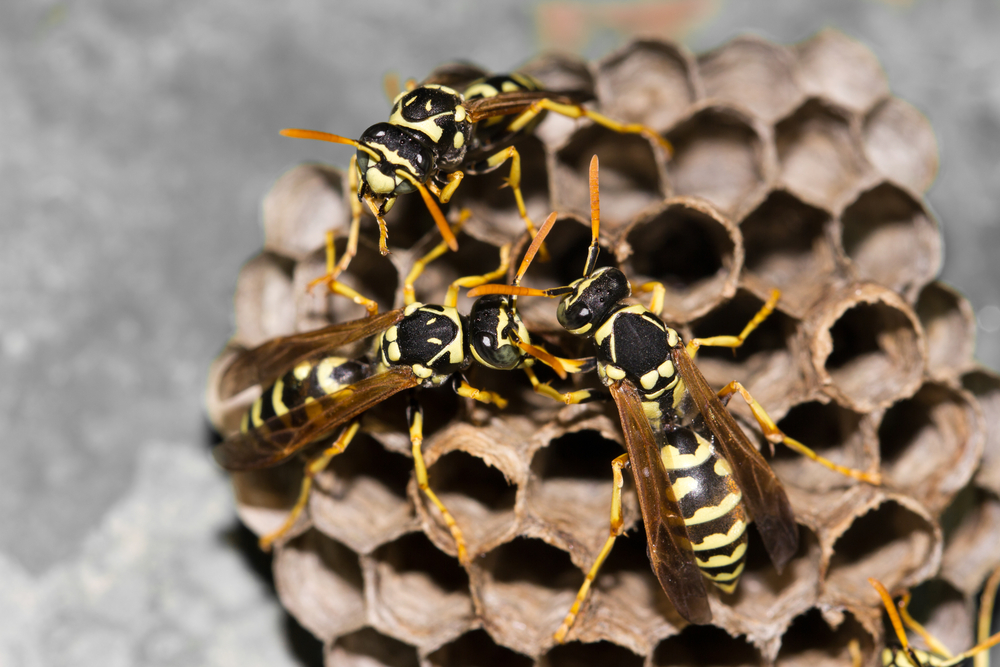
Wasp nests are typically grayish and have a papery texture, often resembling a small football or teardrop. They may hang from eaves, tree branches, attic rafters, or even the underside of decks. These are often built by paper wasps or hornets. The surface of a wasp nest usually has a swirled, layered appearance. If you notice insects flying in and out of a specific spot with consistency, there’s a good chance a nest is nearby.
Yellow jacket nests, on the other hand, are usually hidden. Unlike other wasps, yellow jackets commonly build their nests underground or in wall voids. Look for small holes in the ground, often in lawns or flower beds, with visible wasp activity. Sometimes these nests are inside discarded furniture, children’s play structures, or compost piles. Because they are not easily visible, yellow jacket control requires more careful inspection and, often, professional assistance.
The Dangers of a Backyard Wasp Nest
Spotting a nest isn’t just a matter of curiosity—it’s a matter of safety. Wasp stings can cause intense pain, swelling, and allergic reactions. Yellow jackets, in particular, are notorious for stinging repeatedly and in groups when their nest is threatened. This makes backyard wasp nest safety an urgent concern, especially for children, pets, and anyone with insect sting allergies.
In Portland, where outdoor living is popular during the summer, the risks are amplified. Backyards often have fruit trees, garbage bins, or sugary drinks—all of which attract yellow jackets. A single accidental bump into a concealed nest can provoke an aggressive swarm, turning a casual afternoon into an emergency situation.
Even if you or your family members aren’t allergic, multiple stings from a swarm can lead to nausea, dizziness, and other systemic reactions. Therefore, backyard wasp nest safety goes beyond comfort—it’s a vital part of maintaining a secure and healthy environment.
When and How to Take Action: Wasp Nest Removal in Portland
Once a nest is identified, the next step is determining how and when to address it. If the nest is small and not located near high-traffic areas, some homeowners choose to wait until winter when the colony naturally dies off. However, this approach can be risky if the nest is active and close to where people or pets spend time.
DIY nest removal is not recommended, especially for yellow jacket control. These insects can sense vibrations and respond with overwhelming force if they feel threatened. Store-bought sprays may only temporarily suppress activity and often do not penetrate the core of the nest. Additionally, attempting to seal up holes without eliminating the colony inside can drive wasps to chew their way into homes or garages.
In Portland, professional wasp nest removal services are equipped with the right protective gear, tools, and insecticides to eliminate the colony safely and effectively. They can also help identify potential nest sites and provide preventative treatments. Hiring professionals not only ensures personal safety but also reduces the chances of reinfestation during the same season.
For those dealing with recurring infestations, regular inspections and treatments may be necessary, especially in older homes or wooded neighborhoods that provide ample nesting spaces. Many Portland pest control companies offer seasonal packages tailored to the local wasp species and nesting patterns.
Proactive Measures and Ongoing Backyard Safety
Prevention is the most effective method of backyard wasp nest safety. Start early in the spring by inspecting your property for early nest construction. Queens tend to begin nesting in sheltered areas, so keep an eye on roof eaves, fence posts, and sheds. Removing a small nest early in the season is much safer than dealing with a mature colony in July or August.
Proper yard maintenance also deters wasps and yellow jackets. Keep trash cans tightly sealed, clean up food scraps after meals, and avoid leaving pet food outdoors. Trim back overgrown bushes and trees where nests could hide, and repair any openings in sheds, garages, or under decks that may serve as nest sites.
Additionally, consider installing wasp decoys or traps in early spring. These devices can deter queen wasps from settling in your yard by signaling that the territory is already claimed. However, they are not substitutes for professional yellow jacket control or wasp nest removal in Portland if an infestation takes hold.
Another helpful strategy is to educate children and family members about nest spotting and sting avoidance. Teach them not to swat at wasps, avoid areas with high insect activity, and report suspicious buzzing or insect traffic near the ground or structural voids. Creating awareness is a foundational part of ensuring backyard wasp nest safety.
Conclusion
By understanding how to identify a wasp nest, the unique challenges of yellow jacket control in Portland, OR, and the steps for safe removal, homeowners can protect themselves and their families from dangerous encounters. Portland’s temperate summers offer many joys—but also invite these stinging guests. Staying vigilant, proactive, and informed ensures your backyard remains a place of peace and enjoyment, rather than a hotspot for painful surprises.
If you suspect a nest or are unsure how to proceed, don’t hesitate to contact a local pest control expert specializing in wasp nest removal. Acting early can prevent a small problem from becoming a serious hazard—and keep your Portland summer safe and sting-free.
The Pacific Northwest is known for its lush greenery, abundant rainfall, and a deep-seated commitment to environmental sustainability. From Portland, OR to the broader region encompassing Washington and Northern California, residents are increasingly turning toward greener alternatives in nearly every aspect of their lives—including pest control. But while the appeal of eco-friendly pest control is evident, many homeowners and businesses wonder: is it truly effective?
Eco-friendly pest control solutions, also known as green pest control or sustainable pest solutions, promise to reduce the environmental footprint while maintaining safe and livable conditions. This blog explores the practical applications, efficacy, and long-term sustainability of these methods, particularly as they are deployed throughout the Pacific Northwest.
The Rise of Eco-Friendly Pest Control in Portland and Beyond
As a cultural hub of environmentalism, Portland, OR is often at the forefront of green living initiatives. This ethos extends naturally to the realm of pest management, where the demand for eco-friendly pest control continues to grow. The idea is simple: manage pest populations without relying on harsh chemical treatments that may harm non-target species, contaminate water sources, or linger in the environment.
In urban centers like Portland, green pest control services are no longer niche—they are mainstream. Residents are increasingly educated about the environmental consequences of traditional pesticides and are opting for services that incorporate natural, botanical, or mechanical solutions. Common green practices include the use of plant-derived insecticides (such as pyrethrins), essential oils, diatomaceous earth, and biological controls like beneficial nematodes or predatory insects.
Moreover, Portlanders are embracing these methods not only for environmental reasons but also due to concerns about indoor air quality, children’s health, and pet safety. For these residents, eco-consciousness is not a trend—it’s a lifestyle.
How Green Pest Control Works: An Overview of Sustainable Methods
Green pest control focuses on minimizing harm to the environment while effectively managing unwanted pests. The most comprehensive approach is Integrated Pest Management (IPM), a strategy that combines multiple techniques to achieve long-term suppression with minimal ecological impact. Integrated Pest Management in Portland and other cities involves a systematic process that begins with monitoring and identifying pests before deciding on control measures.
Rather than blanket spraying pesticides, IPM emphasizes prevention, cultural controls (like improving sanitation or sealing entry points), mechanical traps, and targeted application of low-risk products. It might include sealing cracks in walls, improving drainage to prevent mosquito breeding, or installing pheromone traps to disrupt the mating cycles of invasive species.
In the Pacific Northwest, where diverse ecosystems coexist with densely populated urban centers, this tailored approach is particularly beneficial. For example, eco-friendly methods are often used to combat pests like carpenter ants, spiders, and rodents, which thrive in the region’s moist environment. Green pest control providers in Portland, OR often prioritize exclusion tactics—such as caulking, mesh barriers, and structural repairs—over chemical options.
Importantly, these methods also avoid collateral damage to pollinators like bees and butterflies, which are crucial to both natural habitats and agricultural success in the region. This makes sustainable pest solutions an appealing choice for environmentally conscious consumers.
Assessing the Effectiveness of Eco-Friendly Pest Control
A common critique of eco-friendly pest control is the perceived reduction in effectiveness compared to conventional pesticides. Traditional chemical treatments tend to offer immediate knockdown results, creating a strong (if temporary) impression of effectiveness. However, this short-term control often fails to address root causes and can result in recurring infestations.
In contrast, sustainable pest solutions aim for long-term prevention rather than quick fixes. Though slower to show results, green pest control methods are often more sustainable in the long run. For example, Integrated Pest Management in Portland has proven to be highly effective in both residential and commercial settings due to its focus on ongoing monitoring and adaptive strategies.
Scientific studies back this up. Research conducted by universities and extension programs in Oregon and Washington show that IPM-based green strategies can rival traditional pest control in managing infestations when implemented correctly. The key lies in thorough inspections, proper identification, and customized treatment plans. In most cases, the initial phase may require more labor and time investment, but the payoff includes fewer reapplications, less chemical resistance, and reduced risk to human and animal health.
It’s also worth noting that the effectiveness of eco-friendly pest control heavily depends on user participation. Property owners must be willing to make structural changes, maintain cleanliness, and follow prevention guidelines laid out by pest control professionals. In this sense, it’s a more collaborative and education-driven approach.
The Pacific Northwest Climate Factor: Challenges and Opportunities
The Pacific Northwest’s climate poses unique challenges for pest control, regardless of method. High humidity and frequent rainfall contribute to ideal conditions for pests such as ants, termites, slugs, and mold-feeding insects. Rodents, too, find ample shelter and food in the region’s dense vegetation and urban landscapes.
Green pest control professionals operating in Portland, OR and surrounding areas are well-versed in these climatic influences. Their methods are specifically adapted to manage moisture-related infestations using environmentally responsible tactics. For instance, rather than applying chemical fungicides to prevent mold and mildew—a common precursor to insect problems—sustainable pest control firms may recommend improved ventilation, the use of dehumidifiers, or natural mold inhibitors.
The mild winters and extended rainy seasons also mean that pests can remain active for longer periods, making year-round pest management essential. Unlike chemical approaches that may require repeat applications due to runoff or degradation, green pest control often invests in physical barriers and biological systems that maintain efficacy over time.
Yet, the region’s rich biodiversity offers advantages, too. The Pacific Northwest is home to numerous native predator species—birds, insects, and amphibians—that naturally control pest populations. Sustainable pest solutions work in harmony with these natural controls, enhancing the resilience of local ecosystems rather than disrupting them.
Looking Ahead: The Future of Sustainable Pest Solutions in the Region
As the push for climate-resilient practices grows stronger, eco-friendly pest control is poised to become the standard rather than the exception across the Pacific Northwest. Municipal regulations are also beginning to reflect this shift. Cities like Portland are increasingly enacting restrictions on synthetic pesticide use in public spaces, bolstering the appeal and accessibility of green pest control.
Consumer demand continues to evolve as awareness increases. More homeowners are seeking transparency from pest control providers about the products they use and the potential impacts on human health and biodiversity. Green pest control companies that offer education, follow-up support, and data-driven monitoring are particularly well-positioned for success in this landscape.
Additionally, innovation is playing a key role. Advances in smart pest monitoring systems, organic biopesticides, and drone-assisted inspections are helping to bridge the performance gap between traditional and sustainable methods. With technology enhancing precision and efficiency, eco-friendly pest control is becoming more scalable and adaptable to complex urban and suburban environments.
In Portland, OR and throughout the Pacific Northwest, the synergy between cultural values, environmental stewardship, and technological advancement creates fertile ground for the continued growth of Integrated Pest Management. As more residents understand the holistic benefits—health, sustainability, long-term cost savings—it’s clear that green pest control isn’t just a viable alternative. It’s a superior one.
Conclusion
Eco-friendly pest control in the Pacific Northwest is not only effective but essential for preserving the health of local ecosystems, communities, and future generations. Through Integrated Pest Management and other sustainable pest solutions, residents of Portland and beyond are demonstrating that environmental responsibility and effective pest management can coexist.
Whether you’re a homeowner, a property manager, or a business owner, choosing green pest control aligns with both ecological values and practical needs. And in a region as naturally beautiful and ecologically sensitive as the Pacific Northwest, that choice makes all the difference.
In Portland, Oregon, where lush landscapes and damp conditions go hand-in-hand, ant infestations are a common challenge for homeowners. At Frost Integrated Pest Management (Frost IPM), we understand that living in harmony with the environment doesn’t mean sharing your home with ants. Our mission is to provide sustainable, effective ant control through an approach rooted in science, local expertise, and a commitment to your safety and comfort. Unlike traditional pest control companies that rely solely on chemical sprays, we use an Integrated Pest Management (IPM) strategy that focuses on long-term solutions and eco-conscious methods.
Portland’s Unique Ant Challenges
Portland’s temperate climate and abundant rainfall create the perfect environment for a variety of ant species to thrive. Carpenter ants, odorous house ants, pavement ants, and moisture ants are among the most common invaders we encounter in homes across the city. Each species presents unique behaviors and habitat preferences, making proper identification critical to effective pest management.
Our local knowledge sets Frost IPM apart. We don’t take a one-size-fits-all approach. By understanding Portland’s ecological nuances and the behaviors of local ant populations, we tailor our pest control strategies to address the specific issues each home faces. This precise, informed method ensures better outcomes for our clients and minimizes the use of potentially harmful treatments.
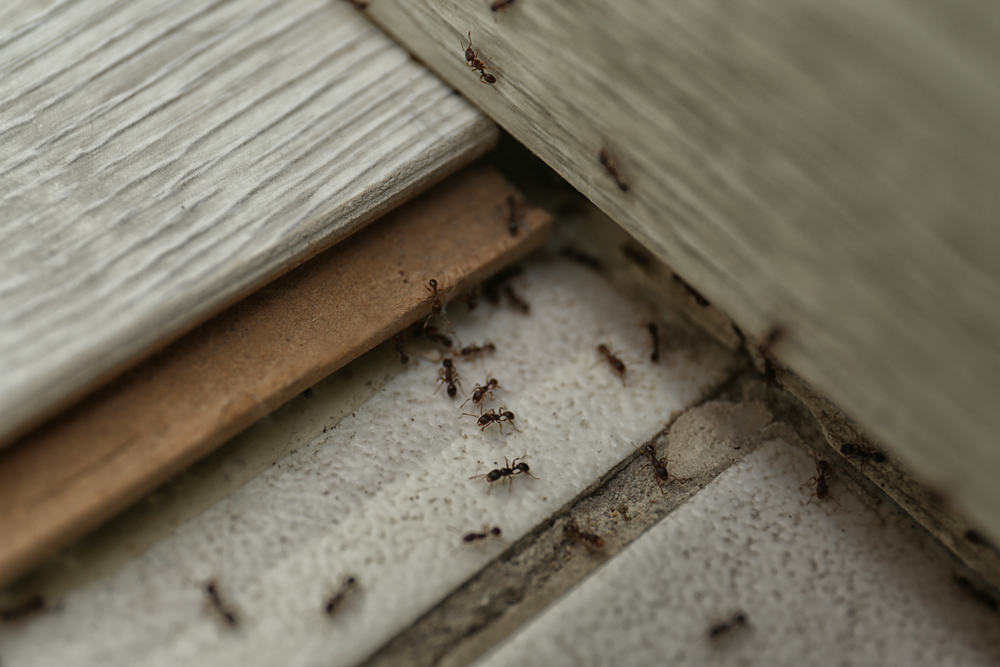
Ant infestations in Portland often start unnoticed—small trails in the kitchen, a few stragglers in the bathroom, or unexplained piles of sawdust hinting at carpenter ant activity. Left untreated, these pests can quickly multiply, damage property, and contaminate food. That’s why early intervention and a strategic plan are essential for both immediate relief and long-term prevention.
Our Integrated Pest Management (IPM) Approach
At Frost IPM, we pride ourselves on using a methodical, environmentally responsible approach to pest prevention and control. Our IPM strategy combines scientific knowledge, practical experience, and eco-friendly practices to tackle ant infestations from the ground up. We don’t simply spray and walk away—we investigate, strategize, and follow through.
Our process begins with a comprehensive inspection. Our trained technicians conduct a thorough examination of your home to identify the ant species, track their movement patterns, and locate their points of entry. Understanding the “how” and “why” behind an infestation is crucial. Not all ants are created equal, and neither are the solutions.
Following inspection, we move to identification. Correctly determining the type of ant is vital, as different species require different control methods. For instance, carpenter ants may nest in damp, decaying wood and require structural assessments, while odorous house ants might be seeking sugary crumbs in the pantry.
Once we know what we’re dealing with, we implement exclusion strategies. This involves sealing cracks, repairing damaged screens, and addressing gaps around windows and doors to eliminate entry points. Ants are incredibly resourceful, and without proper exclusion, they’ll simply find another way inside.
Sanitation is another cornerstone of our IPM method. We work with homeowners to identify and eliminate food and water sources that attract ants. Proper food storage, dry sinks, clean countertops, and sealed garbage bins are all simple yet effective ways to make your home less inviting to pests.
When treatment is necessary, we use only the most targeted and least toxic options available. Our preference is always for natural, low-impact solutions that are safe for families and pets. Baits, for instance, allow ants to carry the treatment back to their nest, eliminating the colony at the source without unnecessary exposure.
Finally, we emphasize monitoring. One treatment isn’t always enough, and consistent follow-up ensures our strategy is working. We stay in touch, return for additional inspections if needed, and adjust our plan to ensure lasting results.
Prevention: The Key to Long-Term Ant Control
Our experience has shown time and again that the best way to control ants is to prevent them from establishing a foothold in the first place. That’s why prevention is woven into every step of our IPM process. We don’t just eliminate visible ants—we target the root cause to prevent future outbreaks.
Moisture control is one of the most overlooked aspects of pest prevention. In Portland’s damp climate, excess moisture from leaking pipes, poor drainage, or inadequate ventilation can create ideal nesting conditions for ants. Our technicians are trained to spot these risk factors and advise on how to correct them.
We also guide homeowners on landscape management. Branches that touch your roof, woodpiles near your foundation, and poorly maintained gutters can all serve as highways or nesting grounds for ants. By keeping the exterior of your home tidy and well-maintained, you significantly reduce the chances of an ant infestation.
Education is part of our prevention focus. We believe in empowering homeowners with the knowledge they need to protect their space. Whether it’s understanding how ants communicate via pheromone trails or knowing what signs to watch for, we share our expertise freely. This transparency builds trust and encourages proactive behavior.
Why Choose Frost IPM?
Choosing Frost Integrated Pest Management means choosing a company that’s as committed to Portland’s well-being as you are. We don’t treat our clients as just another service call—we treat them as partners in pest prevention. From our initial free inspections to our detailed follow-ups, every step of our process is designed with your comfort, health, and peace of mind in mind.
Our technicians are not only highly trained in pest biology and control methods—they’re also skilled communicators and compassionate professionals. We take the time to explain what we’re doing and why. No jargon, no scare tactics—just honest, science-based advice.
Eco-friendly practices are central to our philosophy. We understand the environmental values that Portlanders hold dear, and we take that responsibility seriously. Our methods are designed to minimize impact on beneficial insects, pets, and local ecosystems while still achieving highly effective results.
We also stand behind our services with confidence. That’s why we offer free inspections and consultations. We believe that seeing our professionalism and knowledge firsthand is the best way to earn your trust.
Say Goodbye to Ants—The Right Way
Ant control in Portland requires more than a can of spray and a quick fix. It requires a thoughtful, strategic approach that considers the unique challenges of our local environment and the specific behaviors of local ant species. At Frost IPM, we’re proud to offer that level of care.
Whether you’re currently dealing with an ant infestation or simply want to take proactive steps toward pest prevention, we’re here to help. Our integrated pest management approach ensures not only immediate relief but also long-lasting protection for your home and family.
Reach out to us today for your free inspection, and let Frost IPM show you how effective, responsible pest management is done. Together, we’ll keep Portland’s ants where they belong—outside.
Termites may be small, but the damage they cause is anything but minor. In Portland, Oregon, where the moist climate creates ideal conditions for wood-destroying pests (WDP), the threat of a termite infestation is a serious concern for homeowners and business owners alike. At Frost Integrated Pest Management (Frost IPM), we understand the regional termite challenges better than anyone. Our specialized expertise, environmentally responsible practices, and commitment to integrated pest management set us apart as a trusted partner in termite control.
Understanding Termite Behavior in Portland’s Unique Environment
Portland’s climate plays a significant role in the prevalence and persistence of termites. With mild, wet winters and relatively dry summers, the environment is especially favorable for subterranean termites, the most common species in the region. These termites thrive in damp, hidden conditions and often build colonies beneath the soil, infiltrating properties through cracks in the foundation or wood that touches the ground.
At Frost IPM, we know that understanding termite behavior is the first line of defense. Our technicians are trained to recognize subtle signs of termite activity and to anticipate where these pests are most likely to establish themselves. Unlike general pest control companies, our approach is tailored specifically to the biology and habits of termites commonly found in Portland. This local expertise enables us to be precise, efficient, and effective in protecting your property.
Comprehensive Inspection and Diagnosis: More Than Just a Look Around
A successful termite control strategy begins with a thorough and methodical inspection. At Frost IPM, we don’t just glance around your property—we conduct a comprehensive evaluation. Our process involves identifying not only the presence and extent of any current termite infestation but also the conditions that are conducive to future problems.
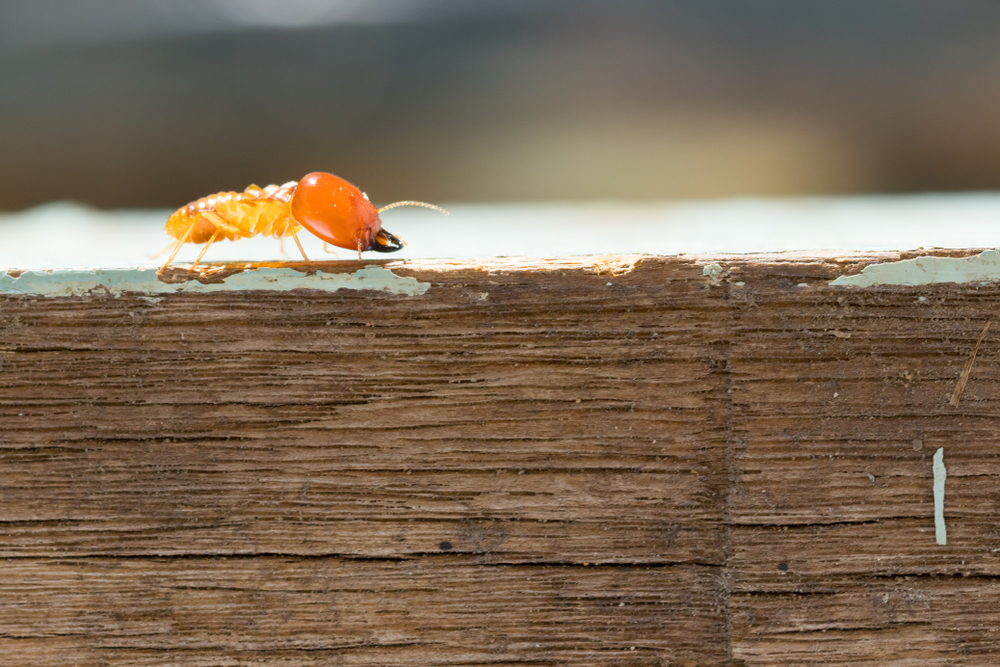
We inspect for telltale signs such as mud tubes, damaged wood, frass (termite droppings), and the subtle warping or hollowing of wood. Equally important is our ability to distinguish between termite damage and that caused by other wood-destroying pests, such as carpenter ants or even fungal wood rot. Accurate diagnosis ensures that our treatments are not just effective but precisely targeted to the issue at hand.
We also assess environmental factors around your home or building that may be contributing to the problem. Moisture accumulation, poor drainage, wood-to-soil contact, and inadequate ventilation are all conditions that attract termites. Our inspectors take the time to identify these issues, document their findings, and discuss practical solutions with you. This diagnostic capability is a cornerstone of our Integrated Pest Management philosophy—solving not just the symptoms, but the source.
Smart, Targeted Treatment Options That Work
Once we’ve completed a detailed inspection and diagnosis, the next step in our process is treatment. But at Frost IPM, we don’t believe in one-size-fits-all solutions. We utilize targeted treatment strategies that are designed for precision, effectiveness, and minimal disruption to your home or business.
Depending on the severity and nature of the termite infestation, we may recommend baiting systems, localized chemical treatments, or a combination of both. Our baiting systems are discreet, low-impact, and designed to attract termites to a bait station that delivers a slow-acting toxin. The termites then carry the bait back to the colony, gradually eliminating the entire population. This approach is particularly effective for long-term control and aligns with our environmentally responsible values.
Localized treatments, on the other hand, may involve applying termiticides directly to affected areas. We use the most advanced products available, which are carefully selected to minimize impact on non-target organisms and the surrounding environment. Our trained and certified technicians apply these treatments with great care, ensuring that every application is done correctly, safely, and in accordance with both industry standards and local regulations.
What makes our pest management solutions different is the balance we strike between aggressiveness against the pests and respect for your property, family, and the environment. We do not believe in widespread chemical applications unless absolutely necessary, and we always take the time to explain our recommended treatment plan clearly and honestly.
Long-Term Monitoring and Prevention: More Than a One-Time Fix
At Frost IPM, we don’t see termite control as a one-time event—we see it as an ongoing commitment. Once the immediate termite problem is under control, we implement monitoring systems and preventative strategies to ensure long-term protection. This proactive stance is what separates us from other companies and reinforces our dedication to the principles of Integrated Pest Management.
Our monitoring systems allow us to track termite activity over time and to respond quickly if there are signs of a resurgence. We also provide detailed recommendations for structural and environmental improvements that can make your property less appealing to termites. These might include improving drainage, sealing entry points, repairing damaged wood, and enhancing ventilation in crawlspaces or attics.
Because Portland’s climate will always pose a risk for wood-destroying pests, our goal is to help clients stay one step ahead. We offer ongoing maintenance programs and seasonal inspections to catch issues early—before they become costly repairs. Investing in professional pest management isn’t just about reacting to an infestation; it’s about taking smart, preventative steps to protect your investment and maintain your peace of mind.
Why Frost IPM Is Portland’s Trusted Choice for Termite Control
Choosing the right partner for termite control is crucial, and Frost IPM stands out in the Portland area for several important reasons. Our specialization in termites and wood-destroying pests means we bring a level of knowledge and skill that generic pest control providers simply can’t match. We know the local species, the seasonal risks, and the hidden places where termites like to hide.
Our dedication to Integrated Pest Management ensures that we provide solutions that are not only effective but also responsible. We work to minimize chemical use, prioritize environmental health, and tailor our strategies to the specific needs of each client. In a city like Portland, where environmental consciousness is part of the culture, this thoughtful approach resonates strongly with homeowners and business owners alike.
What also sets us apart is our professionalism and transparency. Every member of the Frost IPM team is trained, certified, and committed to excellence. We communicate clearly, respect your time and property, and always act with integrity. When you call us, you’re not just getting a service—you’re getting a partner in the ongoing health of your home or building.
Conclusion
Termite damage can be extensive, costly, and difficult to repair. That’s why acting early—and acting wisely—is so important. Frost IPM offers free inspections and estimates, giving Portland property owners an easy first step toward safeguarding their investment. Whether you suspect a problem or just want peace of mind, we’re here to help.
Our mission is to protect the homes and businesses that make Portland special. Through smart, science-based pest management and a commitment to doing things the right way, Frost IPM is proud to be the region’s go-to provider for termite control and prevention. Contact us today and let us help you stay protected, stay informed, and stay ahead of the pests that threaten your property’s integrity.