Carpenter ants in Portland are one of the most common household pests, and they pose a unique challenge to homeowners. Unlike termites, carpenter ants do not consume wood for sustenance, but they carve out extensive tunnels and galleries inside wood structures to build their nests. This destructive behavior can silently compromise the integrity of beams, joists, and siding over time. Portland’s damp, rainy climate creates the perfect environment for these insects to thrive, as moist or decaying wood is easier for them to excavate.
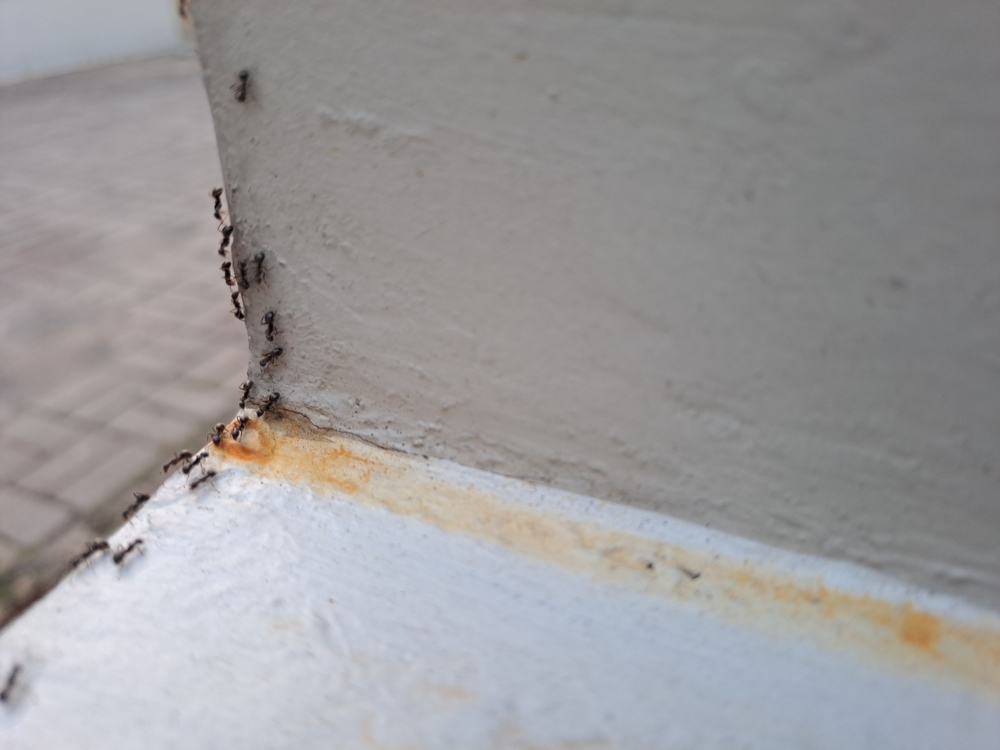
Carpenter ants are typically larger than many other ant species, often measuring up to half an inch in length. They are usually black, although some may show reddish or brown hues. Their presence is not just a minor annoyance; it’s a warning sign of deeper issues within the structure of your home. These ants are drawn to wood softened by moisture, which means their presence often points to underlying water damage. This makes a carpenter ant infestation both a pest problem and a maintenance issue for homeowners.
The Pacific Northwest, and Portland in particular, sees a high rate of carpenter ant activity due to its weather patterns and abundance of trees. Homes surrounded by lush landscaping or older wooden structures are at greater risk. Homeowners who notice increased ant activity during warmer months should not dismiss it, as carpenter ants often forage long distances from their nests, meaning the source of the problem could be much closer than it appears.
Signs of Carpenter Ants in Your Home
Recognizing the signs of carpenter ants is critical to preventing extensive damage. Unlike termites, carpenter ants leave behind clear indicators of their presence if you know what to look for. One of the most telling signs is the appearance of sawdust-like material called frass. This is the debris created as ants excavate tunnels inside wood. You might find frass collecting beneath baseboards, window sills, or other wooden surfaces.
Another common sign of carpenter ants in Portland homes is the sound of rustling or faint movement inside walls or woodwork, particularly at night when the colony is most active. These sounds are subtle, but in quiet environments they can be detected. Homeowners may also notice discarded wings from swarmers, the reproductive ants that emerge in spring or summer to establish new colonies. Finding wings indoors near windows or doors often signals that a nest may already be present within the structure.
Visible ants are another sign, but they should not be underestimated. Carpenter ants are nocturnal foragers and often travel significant distances from their nests in search of food. If you regularly see large black ants in your kitchen, pantry, or bathroom, it may not be a coincidence. While you might assume they’re coming from outside, frequent sightings often indicate that a nest is already inside the home. Additionally, soft or hollow-sounding wood can be a red flag, especially in areas prone to moisture such as bathrooms, kitchens, basements, or near leaky roofs.
Prompt recognition of these signs of carpenter ants can help you avoid extensive structural damage. Many homeowners misinterpret the problem as a minor nuisance, but carpenter ants are often a symptom of hidden moisture problems or decaying wood that need immediate attention.
The Risks of a Carpenter Ant Infestation
A carpenter ant infestation can cause far-reaching damage that extends beyond structural concerns. The most immediate risk is the weakening of wooden components in your home. Beams, joists, decks, and siding can become compromised, leading to costly repairs and even safety hazards if left unaddressed. Because the ants tunnel within the wood, the damage is often hidden until it reaches an advanced stage. By the time a homeowner realizes the extent of the destruction, repairs can run into thousands of dollars.
Carpenter ants also reproduce rapidly, and colonies can grow to house thousands of individuals, including multiple queens. A single home may host several satellite nests, making it difficult to fully eliminate the problem without professional pest control in Portland, OR. These satellite nests allow the ants to spread throughout the property, colonizing multiple areas and accelerating the damage.
Beyond the physical structure of the home, carpenter ants indirectly impact your indoor environment. Moisture problems that attract ants can also foster mold growth, creating air quality issues that may affect your health. An infestation can also lower property value, as potential buyers are often wary of homes with a history of pest-related damage. Insurance companies rarely cover the cost of repairing carpenter ant destruction, considering it a maintenance issue rather than a sudden event. This leaves homeowners fully responsible for addressing the problem.
Unlike some pests that cause temporary discomfort, carpenter ants are a persistent and escalating threat. Their ability to exploit moist wood means that even minor leaks or condensation can set the stage for an infestation. The hidden nature of their damage makes them particularly dangerous, as the true cost of neglect is often only revealed when it is too late.
Pest Control in Portland, OR: Why Professional Help Matters
When it comes to pest control in Portland, OR, carpenter ants present a unique challenge that requires professional expertise. DIY methods, such as sprays and bait traps, may temporarily reduce visible ant activity, but they rarely address the core issue: the nest. Because carpenter ants create deep galleries inside wood and can establish satellite nests, surface treatments are largely ineffective. Unless the queen is eliminated, the colony will continue to thrive.
Professional pest control providers in Portland are trained to identify the full extent of a carpenter ant infestation. They use specialized tools to locate nests, often hidden in walls, crawl spaces, attics, or even outdoors in tree stumps. Once located, targeted treatments are applied to eliminate the colony at its source. Pest control technicians also help identify and address the conditions that attract carpenter ants, such as leaks, poor ventilation, or decaying wood.
Local knowledge is particularly valuable in Portland, where the damp climate contributes to frequent infestations. Pest control experts understand the seasonal patterns of carpenter ants in the region and can implement preventative measures tailored to the local environment. Professional services not only remove the existing problem but also help prevent future infestations by sealing entry points and offering guidance on home maintenance.
For homeowners, investing in professional pest control is a matter of long-term savings. While the initial cost may seem significant, it pales in comparison to the expense of repairing structural damage caused by untreated infestations. With regular inspections and treatments, Portland residents can protect their homes from both carpenter ants and the moisture issues that attract them.
Preventing Future Infestations
While professional pest control is essential for eliminating active colonies, prevention is the best strategy for keeping carpenter ants at bay. Homeowners can take steps to reduce the risk of infestations by focusing on moisture control and property maintenance. Regularly inspecting your home for leaks, particularly in roofs, gutters, and plumbing, is crucial. Fixing these issues promptly not only discourages carpenter ants but also protects your home from water damage.
Maintaining proper ventilation in attics, basements, and crawl spaces helps reduce humidity levels, creating a less hospitable environment for ants. Removing or replacing decayed wood around the home is another important step. This includes replacing damaged siding, decking, or window frames. Outdoors, trimming trees and shrubs away from the home can limit access points for carpenter ants, while removing rotting stumps and fallen logs reduces potential nesting sites.
Food sources should also be managed carefully. While carpenter ants do not eat wood, they forage for sweets, proteins, and other household food items. Keeping kitchens and pantries clean, sealing food containers, and promptly cleaning up spills helps minimize attractants. Sealing cracks and gaps around windows, doors, and foundations adds an additional layer of defense, making it harder for ants to enter the home.
Routine pest control inspections are strongly recommended, particularly for Portland homeowners. Even if no visible signs of carpenter ants are present, an annual inspection can identify vulnerabilities before they become full-blown problems. Preventative care not only saves money but also ensures peace of mind knowing your home is protected against one of the most damaging pests in the region.
Conclusion
Carpenter ants in Portland represent a hidden but significant danger to homeowners. Their ability to silently tunnel through wood makes them difficult to detect until serious damage has occurred. Recognizing the signs of carpenter ants, such as frass, discarded wings, or unusual ant activity, is the first step in protecting your home. A carpenter ant infestation is not just a nuisance but a serious threat to structural integrity, property value, and long-term home maintenance.
While DIY efforts may provide temporary relief, professional pest control in Portland, OR, is the most effective solution for eliminating colonies and preventing recurrence. Combining expert treatments with proactive home maintenance ensures that your property remains safe and sound. By addressing moisture issues, replacing decayed wood, and keeping food sources secure, you can reduce the likelihood of future infestations.
Ultimately, the hidden dangers of carpenter ants lie not only in the damage they cause but also in the way they exploit existing vulnerabilities in your home. Taking immediate action when signs of carpenter ants appear is the key to avoiding costly repairs and ensuring your home remains a safe and secure place for years to come.
Managing apartments and multi-family properties in Portland comes with unique challenges. The damp climate, fluctuating temperatures, and urban density make pest activity more frequent and often more difficult to control. Property managers, landlords, and residents alike know that even a small pest issue can escalate quickly in a multi-unit environment where infestations easily spread between apartments. Preventing pest problems in Portland apartments requires proactive planning, consistent monitoring, and coordinated action. With the right approach, apartment pest control in Portland can be handled in a way that minimizes risk, reduces tenant complaints, and maintains a healthy living environment.
Understanding the Pest Risks in Portland Apartments
The Pacific Northwest climate is both beautiful and challenging. Portland’s wet winters and mild summers provide ideal breeding grounds for a wide variety of pests. Ants, rodents, cockroaches, bed bugs, and spiders are all common issues, and each presents a different kind of threat to multi-family pest management. In apartment settings, once a pest colony establishes itself, it can spread through shared walls, vents, hallways, and utility lines. A rodent nest in the basement, for example, often leads to sightings on multiple floors within weeks.
Moisture is one of the key drivers of pest activity in Portland. Basements, crawl spaces, and shared laundry facilities are common hotspots because they often contain leaks, condensation, or standing water. Even minor plumbing issues can attract pests, especially cockroaches and rodents, which are drawn to both water and food sources. Because of the density of multi-family buildings, one resident’s poor housekeeping can contribute to pest problems for everyone else in the complex. Food left uncovered, garbage not properly sealed, or recycling bins not rinsed can all attract unwanted visitors.
Another factor to consider is Portland’s growing urban population. As apartment complexes expand and housing demand increases, pests adapt to survive in tighter spaces. Rats in particular thrive in cities, finding shelter in sewers, alleyways, and utility lines before moving into buildings when weather conditions change. Apartment pest control in Portland therefore requires not only addressing infestations when they occur but also anticipating the conditions that cause them.
The Role of Integrated Pest Management for Apartment Buildings
Traditional pest control has often relied on reactive measures: applying treatments when tenants report sightings. However, this method is less effective in apartment buildings, where infestations spread rapidly and often remain hidden until they are widespread. Integrated pest management for apartment buildings offers a far more sustainable solution. It combines monitoring, prevention, exclusion, sanitation, and targeted treatments into a single strategy designed to keep pests under control long-term.
Integrated pest management (IPM) emphasizes prevention over reaction. It starts with regular inspections to identify vulnerabilities before pests become a problem. Property managers and pest control professionals work together to seal cracks, repair leaks, and eliminate clutter where pests can hide. Instead of relying heavily on chemical treatments, IPM incorporates mechanical and environmental controls, such as traps, monitoring stations, and moisture management.
For multi-family pest management, IPM is especially valuable because it addresses the root causes of infestations. By involving tenants, landlords, and pest professionals in a coordinated effort, apartment communities create a consistent defense against pests. For example, tenants may be educated about proper waste disposal, while maintenance teams handle sealing entry points and managing landscaping around the building. Pest control specialists then monitor activity levels and apply treatments only when necessary, reducing chemical exposure for residents.
In Portland apartments, integrated pest management is not just a best practice but often a necessity. The city’s building codes and environmental regulations increasingly encourage greener, more sustainable pest control methods. IPM aligns with these standards while providing reliable results, making it the ideal approach for long-term apartment pest control in Portland.
Key Strategies for Preventing Pests in Portland Apartments
Preventing pests in Portland apartments requires a layered approach that addresses the many factors contributing to infestations. Each step helps build a stronger barrier against potential problems. The first step is exclusion. Sealing cracks in walls, doors, windows, and utility access points prevents pests from entering. Even small gaps can allow ants, mice, or spiders to move between units. Installing door sweeps, repairing torn window screens, and sealing utility line openings can greatly reduce entry.
Sanitation is another critical component. In multi-family housing, shared spaces such as hallways, laundry rooms, and garbage areas often become hotspots for pest activity. Regular cleaning schedules, well-maintained trash receptacles, and tenant cooperation are all necessary to minimize food and water sources. Apartment pest control in Portland often succeeds or fails based on how well sanitation practices are enforced.
Moisture management is particularly important in Portland’s damp climate. Property managers should ensure that gutters and downspouts are functioning properly, basements remain dry, and leaks are repaired immediately. Dehumidifiers and proper ventilation in laundry rooms and bathrooms can also help reduce conditions that attract pests. Landscaping also plays a role in prevention. Overgrown vegetation near the foundation of a building provides shelter for rodents and insects, while standing water in outdoor areas attracts mosquitoes. Keeping landscaping trimmed and properly maintained can make a big difference.
Regular inspections provide the foundation for preventing pest problems in Portland apartments. Pest professionals can set up monitoring stations to track rodent activity, use pheromone traps for insects, and provide detailed reports that help managers stay ahead of issues. Combining inspections with tenant education builds awareness and encourages residents to report sightings early. The sooner a potential problem is identified, the easier it is to resolve without widespread infestations.
Challenges Unique to Multi-Family Pest Management
Managing pests in multi-family housing comes with distinct challenges not found in single-family homes. The biggest difficulty is communication. Tenants may hesitate to report pests out of embarrassment or fear of being blamed, which delays intervention. By the time management becomes aware of the issue, it may have already spread across multiple units. Establishing clear communication channels, such as anonymous reporting systems or online portals, can help overcome this barrier.
Another challenge is tenant turnover. New residents may unknowingly bring bed bugs, cockroaches, or stored product pests with them when they move in. Without proper preventive measures, these pests can spread quickly to neighboring apartments. Routine inspections between move-ins and move-outs, along with strict cleanliness requirements, are necessary safeguards.
Budget limitations also play a role. Some property owners may hesitate to invest in comprehensive multi-family pest management strategies, opting instead for one-time treatments. While this may seem cost-effective in the short term, it often leads to more expensive problems down the line. Infestations that go unchecked can cause property damage, drive tenants away, and even result in fines if health codes are violated.
In Portland specifically, weather adds another layer of difficulty. Heavy rainfall drives rodents indoors, while warmer months increase ant and cockroach activity. Seasonal fluctuations require flexible pest control plans that adapt to changing conditions. Integrated pest management for apartment buildings accounts for these seasonal shifts by implementing year-round monitoring and preventive treatments timed to pest activity cycles.
Lastly, the social aspect of apartment living complicates pest management. With so many residents sharing walls and common spaces, cooperation is essential. A single tenant’s refusal to follow sanitation guidelines can undermine the efforts of everyone else. This makes tenant education and consistent enforcement of rules one of the most important yet most difficult aspects of preventing pest problems in Portland apartments.
Building a Long-Term Pest Prevention Plan
Long-term success in apartment pest control in Portland depends on developing a comprehensive plan that combines preventive maintenance, professional oversight, and tenant cooperation. The plan should begin with a professional assessment of the property, identifying structural vulnerabilities, sanitation issues, and existing pest pressures. Based on this assessment, property managers can work with pest control providers to create a schedule of inspections, monitoring, and treatments tailored to the building’s needs.
Education should be built into the plan. Tenants need clear instructions on how to store food properly, dispose of trash, and report pest sightings. Management can host workshops, distribute flyers, or include pest prevention guidelines in lease agreements. The more informed tenants are, the less likely they are to contribute to infestations.
Maintenance teams must also be trained to recognize early warning signs, such as gnaw marks, droppings, or unusual odors that may indicate pests. Their role in sealing entry points, repairing leaks, and keeping common areas clean is vital to multi-family pest management.
Partnerships with pest control professionals are another essential piece. Instead of waiting for emergencies, ongoing service contracts allow for regular monitoring and preventive treatments. Pest professionals can track seasonal trends, update management on emerging threats, and ensure that integrated pest management strategies remain effective.
Technology can further strengthen prevention efforts. Digital monitoring systems for rodents, for example, provide real-time data that allows managers to respond quickly before a problem escalates. Smart traps, moisture sensors, and even tenant reporting apps are becoming increasingly common in multi-family pest management.
Ultimately, a long-term pest prevention plan is about building resilience. Pests will always be present in some form, but with the right systems in place, apartment complexes can minimize risk, reduce costs, and provide tenants with a safe and comfortable living environment.
Conclusion
Preventing pest problems in Portland apartment buildings and multi-family units requires a proactive, coordinated approach that takes into account the city’s climate, urban density, and unique housing challenges. Apartment pest control in Portland is most effective when it focuses on prevention rather than reaction, with integrated pest management for apartment buildings providing the framework for sustainable results. By combining exclusion, sanitation, moisture control, inspections, and education, property managers can stay ahead of potential infestations.
Multi-family pest management also depends on strong communication, tenant cooperation, and a commitment to long-term planning. While challenges such as tenant turnover, seasonal weather shifts, and budget limitations exist, they can be overcome through consistent effort and professional partnerships. Preventing pests in Portland apartments is not just about protecting property; it is about ensuring the health, comfort, and satisfaction of every resident. With a comprehensive strategy in place, Portland apartment buildings can remain safe, clean, and pest-free year-round.
Portland is no stranger to urban wildlife, but in recent years, one creature in particular has been making itself increasingly unwelcome: the rat. From residential neighborhoods to bustling downtown streets, reports of rat infestations in Portland have been on the rise. These resilient rodents are more than just a nuisance—they can carry diseases, damage property, and create ongoing stress for homeowners and business owners alike. Understanding why rats are becoming such a problem and what you can do to address the situation is the first step toward reclaiming your space.
The Growing Rat Infestation in Portland
The rat population in Portland has been steadily increasing, fueled by several environmental and urban factors. The city’s mild climate provides ideal year-round conditions for rodents, while a growing food waste problem offers them a steady supply of meals. Increased construction and urban development have also disrupted existing rat habitats, driving them into new neighborhoods in search of shelter and sustenance.
Rat infestations in Portland are particularly prevalent in areas with dense housing, older sewer systems, and abundant restaurant waste. Once they establish themselves, rats are quick breeders—a single pair can produce dozens of offspring in a year. Their ability to adapt to various environments makes them a formidable pest, capable of infiltrating homes, businesses, and even vehicles.
The health risks associated with rats are another major concern. They can carry pathogens that cause diseases like leptospirosis, hantavirus, and salmonella. Their droppings and urine can contaminate food and surfaces, while their constant gnawing can damage wiring, insulation, and structural elements of a building. The longer a rat infestation is left unaddressed, the more costly and difficult it becomes to control.
Why Professional Rat Control Is Essential
While some Portland residents try to tackle rat problems on their own with traps and poison, DIY methods often fall short. Rats are intelligent, cautious creatures that can quickly learn to avoid certain traps. Additionally, killing individual rats does nothing to address the root cause of an infestation—entry points, nesting sites, and access to food and water.
Professional pest control in Portland, OR, offers a comprehensive approach that goes beyond short-term fixes. Licensed technicians use a combination of exclusion methods, sanitation guidance, and targeted treatments to ensure that rats are not only removed but also prevented from returning. This may include sealing cracks and gaps in a building’s foundation, securing trash bins, and eliminating cluttered areas where rats could hide.
Rodent removal services in Portland also have access to advanced tools and techniques that aren’t available to the average homeowner. From infrared cameras that detect hidden nests to specialized baiting systems designed to minimize risks to non-target animals, professional services offer the most effective long-term solutions. Their expertise can save you time, money, and the frustration of repeated infestations.
Effective Prevention Strategies You Can Implement Now
Even if you’re not currently dealing with a rat problem, taking preventive measures is crucial to keeping rodents away from your property. One of the most important steps is eliminating easy food sources. This means securing garbage in sealed containers, promptly cleaning up pet food, and harvesting ripe fruits or vegetables from gardens before they attract unwanted guests. Compost bins should be rodent-proof, with tight-fitting lids and no exposed food scraps.
Another key prevention method is sealing entry points. Rats can squeeze through openings as small as a quarter, so inspect your home for gaps around doors, windows, vents, and pipes. Weather stripping, door sweeps, and steel wool are inexpensive but effective materials for closing these access points. Keep firewood stacked away from buildings, trim back overgrown vegetation, and maintain a clean, clutter-free yard to reduce potential nesting sites.
Regular inspections are also essential. Many homeowners don’t realize they have a rat problem until it’s already significant. By checking basements, attics, crawl spaces, and garages for droppings, gnaw marks, or nesting materials, you can catch early signs of activity before it escalates into a full infestation.
How Portland Residents Can Work Together for Rat Control
Individual efforts go a long way, but community-wide cooperation can have an even greater impact on reducing rat populations. In Portland, neighborhoods plagued by rat activity often see better results when residents coordinate their prevention and control measures. Sharing information about problem areas, reporting sightings to local authorities, and participating in organized cleanup events can all contribute to a healthier, rodent-free environment.
Restaurants, apartment complexes, and commercial buildings have a responsibility to maintain strict waste management practices, as these areas can be major attractants for rats. Landlords and property managers should invest in regular pest control inspections and take immediate action when tenants report rodent activity.
Local government agencies in Portland also play a role by managing public waste disposal systems, maintaining sewer infrastructure, and offering education on rat prevention. In some cases, they may provide resources or subsidies for professional pest control in neighborhoods facing severe infestations.
Taking Back Your Home and Peace of Mind
Living in a city as vibrant as Portland should be about enjoying its culture, green spaces, and community—not worrying about rodents lurking around your property. If you’ve noticed signs of a rat infestation in Portland, acting quickly is the key to avoiding bigger problems. Calling a professional pest control service can provide both immediate relief and long-term protection against these persistent pests.
By combining personal responsibility, professional expertise, and community cooperation, Portland residents can successfully manage and reduce rat populations. While rats may be resilient, they’re not unbeatable. With the right prevention strategies, timely intervention, and ongoing vigilance, you can reclaim your home, protect your health, and ensure that your neighborhood remains a safe and welcoming place to live.
Rats may have become an increasing concern in Portland, but they don’t have to take over your neighborhood. Whether it’s through rodent removal services in Portland or your own proactive measures, now is the time to take control—before the problem grows beyond your doorstep.
In the bustling business landscape of Portland, OR, maintaining a clean, safe, and pest-free environment isn’t just a matter of appearance—it’s essential for protecting a company’s reputation, complying with regulations, and ensuring the comfort of employees and customers alike. At Frost Integrated Pest Management, we’ve built our reputation as a trusted local pest control company in Portland by delivering solutions that go far beyond simple extermination. Our approach focuses on precision, professionalism, and proactive strategies designed specifically for the unique needs of local businesses. We don’t just eliminate pests—we protect brands, maintain compliance, and provide peace of mind through our industry-specific expertise.
Industry-Specific Pest Management for Businesses
Every industry in Portland faces its own unique pest challenges. Restaurants must remain vigilant against food-contaminating pests like cockroaches and rodents, while medical facilities require stringent, compliant solutions that avoid contamination risks. Warehouses, on the other hand, demand preventative measures that keep infestations from ever developing. At Frost IPM, we take pride in delivering customized commercial pest control programs that meet these industry-specific needs. We recognize that no two businesses are alike, so our pest management for businesses is always tailored to your industry’s operational demands, risk profile, and compliance requirements.
For restaurants, this means discreet treatments during off-hours, coupled with preventive inspections to avoid surprise infestations. In healthcare environments, we use Integrated Pest Management (IPM) strategies that prioritize safety and non-disruptive solutions. For manufacturing plants or storage facilities, we develop preventive programs that stop pests before they can impact production lines or stored goods. Our depth of knowledge across industries ensures that Portland businesses get solutions that actually fit their environments, not generic treatments.
Discreet, Professional, and Customer-Friendly Service
In a customer-facing business, the last thing you want is for pest control services to become part of your customers’ experience. We understand that pest issues—if visible—can quickly tarnish a company’s image. That’s why our Frost IPM technicians work around your schedule, ensuring treatments are carried out discreetly and without disrupting your business flow. Whether it’s arriving before opening hours, after closing, or working quietly during low-traffic times, our goal is to handle issues with the utmost professionalism.
We also train our technicians to be approachable yet discreet, blending seamlessly into the background when necessary. This professional presence helps protect your reputation while still ensuring effective pest elimination. Our commercial pest control services in Portland, OR are as much about preserving your image as they are about removing the pests themselves.
Integrated Pest Management Expertise
Our commitment to Integrated Pest Management sets us apart from other providers. IPM is a strategic, eco-friendly approach that focuses on long-term prevention rather than short-term fixes. This means identifying the root causes of pest problems—like entry points, food sources, and conducive environments—and addressing them alongside targeted treatments. By reducing the reliance on chemical solutions and focusing on sustainable strategies, we not only protect your business but also contribute to the well-being of the Portland community.
The IPM process at Frost includes thorough inspections, ongoing monitoring, data-driven treatment plans, and preventive measures that make your property less appealing to pests. This results-driven method ensures that once pests are gone, they’re far less likely to return. And because we understand the seasonal patterns and pest trends in Portland, we can anticipate and prevent problems before they escalate.
Compliance, Safety, and Reputation Protection
Portland businesses operate under a variety of local and federal regulations—health codes, OSHA requirements, food safety standards, and more. A single pest sighting during a health inspection can have costly consequences, from fines to temporary closures. At Frost IPM, we help you stay compliant by implementing pest control programs that align with all relevant safety and sanitation requirements.
Beyond compliance, we focus on protecting your reputation. In today’s digital world, one online review mentioning pests can travel far and fast, impacting customer trust. Our preventative programs, combined with rapid response times, are designed to keep such incidents from ever happening. If an urgent issue arises, our team moves quickly to resolve it—because in commercial pest control, speed and precision matter just as much as effectiveness.
Local Knowledge and Reliable Support
Being a family-owned, local pest control company in Portland gives us a unique advantage: we know this city, its neighborhoods, and its pest challenges inside and out. From the waterfront districts where moisture can attract rodents, to the older brick buildings that provide perfect harborage for insects, to the seasonal uptick in ant activity during Portland’s rainy months—we’ve seen it all. This local knowledge allows us to fine-tune our strategies for maximum effectiveness.
We also believe that reliable support is the foundation of trust. Our commercial clients know they can count on us for fast service response times, proactive monitoring, and friendly, knowledgeable customer service. Whether you’re facing an urgent infestation or simply want peace of mind that your property is pest-free, our team is just a call away. With Frost IPM, you get more than a pest control provider—you get a partner who’s committed to keeping your business running smoothly.
Conclusion
Frost Integrated Pest Management is more than just a pest control service. We are a dedicated ally to Portland businesses, combining deep industry knowledge, eco-friendly practices, and a commitment to protecting your reputation. When you choose Frost, you’re choosing a local partner who understands the stakes and takes your pest concerns as seriously as you do. From discreet, industry-specific services to proactive prevention and compliance-focused solutions, we ensure that your business stays pest-free, compliant, and confident in the face of any pest challenge.
Operating a business in Portland’s vibrant commercial scene presents numerous challenges, but one often overlooked concern is the threat posed by pest infestations. From rodents scurrying through warehouses to cockroaches infesting restaurant kitchens, pests can undermine the integrity, reputation, and financial stability of local businesses. While the immediate costs of eradication are evident, many business owners remain unaware of the extensive hidden costs associated with pest invasions. Understanding these concealed expenses can help Portland enterprises recognize the value of proactive measures, such as engaging professional commercial pest control in Portland, OR.
The Financial Drain Beyond Extermination Fees
At first glance, pest control might appear as a straightforward, one-time expense tied to extermination services. However, the true financial burden of infestations extends far beyond this initial outlay. Pests can damage inventory, from rodents gnawing through packaged goods to insects contaminating food products. Businesses dealing in consumables, textiles, or paper products are particularly vulnerable, as damaged inventory often must be discarded—resulting in direct financial losses.
Structural repairs present another significant hidden expense. Rodents chewing through wiring, termites compromising structural timber, and cockroaches infiltrating sensitive machinery can lead to costly repairs or even system shutdowns. For manufacturing and food-processing businesses, the loss of operational capacity for even a few days due to pest-related damage can equate to substantial lost revenue.
Moreover, infestations can lead to increased operational costs as businesses may be forced to implement emergency sanitation measures, replace equipment prematurely, or invest in short-term pest deterrent solutions that fail to address the root problem. Local pest control services in Portland, OR can provide integrated pest management strategies that help mitigate these ongoing financial drains before they escalate.
Reputational Damage and Loss of Consumer Trust
In Portland’s competitive commercial environment, reputation is a vital currency. Word spreads quickly through online reviews, social media platforms, and personal recommendations. A single negative incident involving pests—be it a rodent sighting in a café or cockroach evidence in a retail outlet—can result in immediate public relations fallout.
Once customers associate a business with poor hygiene or pest infestations, rebuilding trust can be an uphill battle. This erosion of brand reputation affects not only customer retention but also deters potential new clientele. Restaurants, hotels, and retail outlets, in particular, stand to lose a significant portion of their customer base following publicized pest incidents. Engaging experienced commercial pest control in Portland, OR offers businesses the opportunity to protect their reputation through preventative inspections, timely treatments, and thorough documentation of pest management efforts.
From the perspective of industry regulations, persistent pest issues can lead to poor inspection scores or even closures by health and safety authorities. Regulatory fines, temporary shutdowns, and mandated corrective actions further compound the financial damage while amplifying reputational harm. Swift, professional intervention by local pest control services in Portland, OR can help businesses avoid these damaging scenarios and maintain compliance with local health regulations.
Employee Morale and Productivity Impacts
Pest infestations do not only affect customers. Employees working in pest-compromised environments can experience decreased morale and productivity. Regular sightings of rodents, insects, or other pests can create a sense of unease or distress among staff, particularly in sectors like hospitality or food service where hygiene standards are closely scrutinized. Employees concerned about workplace cleanliness may become disengaged, take increased sick leave, or even seek employment elsewhere.
Operational disruptions caused by infestations, such as unexpected closures for treatment or repair, can strain staffing schedules and exacerbate stress levels. Moreover, workers required to perform unsanitary or unexpected pest management tasks—such as cleaning up after a rodent infestation—may experience decreased job satisfaction and feelings of exploitation.
Investing in professional commercial pest control in Portland, OR not only maintains the physical cleanliness of business premises but also supports employee well-being and retention. Local pest control services in Portland, OR can deliver discreet, effective solutions that minimize operational disruptions and preserve workplace morale.
Long-Term Business Disruptions and Strategic Setbacks
While immediate impacts of pest infestations are disruptive, the longer-term business consequences are equally concerning. In sectors where regulatory audits are frequent and standards are stringent—such as food production, healthcare, or hospitality—a single pest incident can tarnish audit results, leading to additional inspections, operational restrictions, or loss of certifications. This can delay business expansion plans, halt product launches, or even jeopardize key contracts.
Additionally, pest infestations can damage relationships with suppliers, partners, and investors. A distribution center with a rodent problem might see partners pulling contracts due to fears of product contamination, while investors may reconsider involvement in businesses failing to manage basic operational hygiene standards. Each missed partnership or lost investment opportunity represents a hidden cost that stymies long-term growth.
By maintaining ongoing relationships with providers of commercial pest control in Portland, OR, businesses can safeguard their strategic trajectory. Comprehensive pest management ensures compliance with industry standards, secures operational continuity, and preserves relationships with key stakeholders—preventing pest issues from becoming a barrier to growth.
The Value of Proactive Pest Management in Protecting Business Assets
Recognizing the hidden costs of pest infestations underscores the importance of proactive pest management as a core business strategy rather than an emergency expense. Engaging local pest control services in Portland, OR before infestations escalate offers businesses several critical advantages.
Preventative inspections and continuous monitoring help detect early signs of infestation, allowing for timely interventions that minimize disruption and damage. Tailored pest management plans take into account the unique vulnerabilities of each business, from storage facilities prone to rodents to hospitality venues targeted by insects.
Furthermore, partnering with reputable providers of commercial pest control in Portland, OR ensures businesses receive thorough documentation of pest control efforts. This documentation can be essential during regulatory inspections, demonstrating compliance and proactive management to authorities. Consistent pest control practices also position businesses to meet health and safety standards, protecting both customer satisfaction and employee well-being.
Conclusion
While the immediate expense of pest removal may seem like the primary concern, Portland businesses must understand the broader, hidden costs associated with infestations. From financial losses and reputational harm to employee dissatisfaction and strategic disruptions, pests pose a significant, multifaceted threat to business success. By integrating comprehensive pest management into their operational strategies and collaborating with professional local pest control services in Portland, OR, businesses can effectively shield themselves from these hidden costs and ensure long-term stability and growth.