
What to Expect from a Professional Pest Inspection in Portland, OR
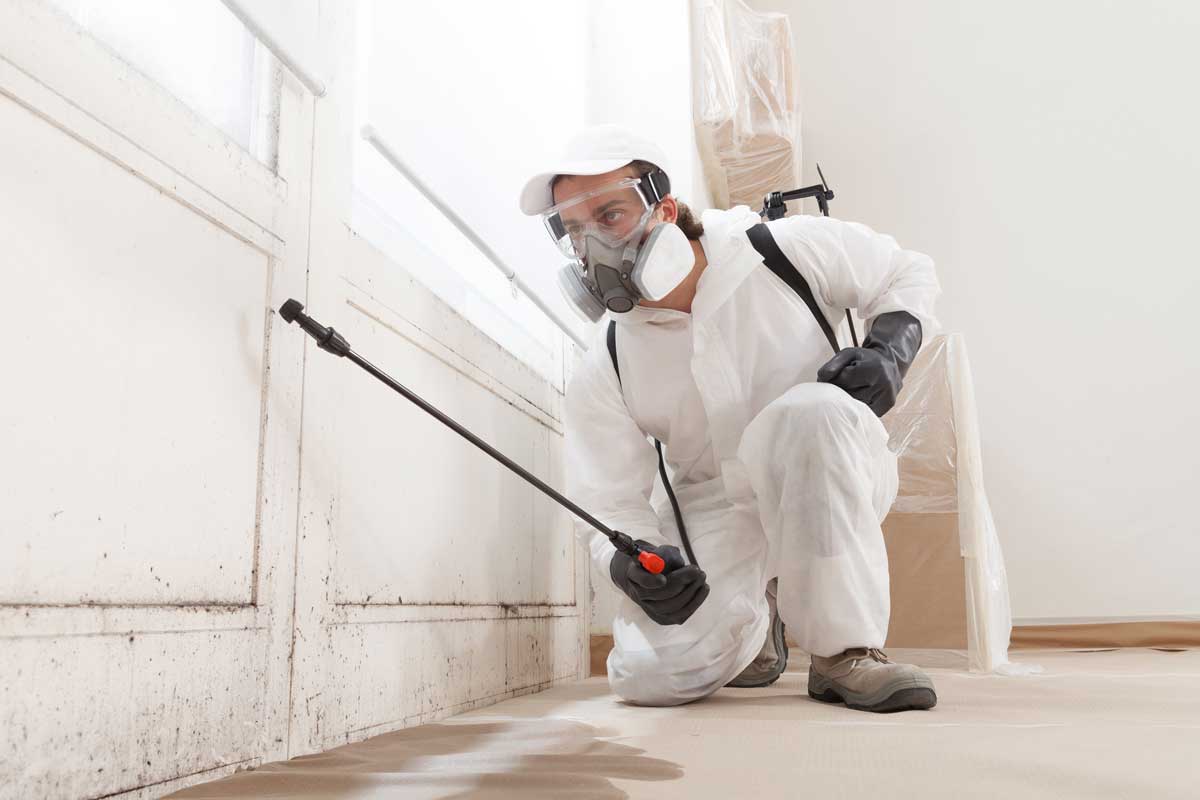
If you own a home in Portland, Oregon, one of the most important maintenance steps you can take is scheduling a professional pest inspection. Portland’s climate, with its mild winters and damp conditions, creates an ideal environment for various pests to thrive. Whether you’re buying a new home, selling your current property, or simply want to protect your investment, understanding what happens during a professional pest inspection in Portland can help you feel prepared and informed.
The Purpose of a Professional Pest Inspection
A professional pest inspection is a thorough examination of your property conducted by a licensed pest control expert. The primary goal is to identify any current pest infestations, signs of past pest activity, and conditions that might attract pests in the future. In Portland, Oregon, a professional pest inspection typically focuses on common local pests including termites, rodents, cockroaches, spiders, carpenter ants, and moisture-loving insects.
The inspection serves multiple purposes depending on your situation. If you’re purchasing a home in Portland, a pest inspection provides critical information about potential structural damage or infestations that could affect your investment. If you’re selling your property, having a clean pest inspection report can increase buyer confidence and potentially increase your property’s value. For existing homeowners, regular pest inspections help catch problems early before they become expensive to treat.
What the Inspector Examines During Your Home Pest Inspection in Portland
During a home pest inspection in Portland, a trained professional will examine both the interior and exterior of your property systematically. The inspector typically starts outside, looking at the foundation, roof, gutters, and landscaping. They check for gaps, cracks, and other entry points that pests might use to access your home. They also look for conditions that attract pests, such as standing water, wood debris, or mulch piled directly against the house.
Moving inside, the inspector examines all accessible areas including the basement, crawl spaces, attic, and living spaces. They look for droppings, dead insects, damaged wood, webbing, and other signs of pest activity. Special attention is paid to areas where pests commonly hide, such as behind appliances, under sinks, in cabinets, and in dark corners. The inspector checks for moisture problems, as many pests are attracted to damp areas. In Portland, where humidity is common, moisture control is particularly important.
The inspector also examines structural elements like wooden beams, floors, and walls for signs of termite damage or other wood-destroying insects. They use specialized equipment such as moisture meters and sometimes even infrared cameras to detect problems that aren’t visible to the naked eye. They assess ventilation and air circulation, as proper airflow helps prevent the moisture conditions that pests prefer.
The Tools and Techniques Used by Pest Control Professionals in Portland, OR
Professional pest control experts in Portland, Oregon use various tools and techniques to conduct thorough inspections. Flashlights and mirrors help inspectors see into tight spaces and dark areas where pests hide. Moisture meters measure humidity levels in different parts of your home, helping identify conditions favorable to pests. Some inspectors use thermal imaging cameras to detect temperature variations that might indicate pest activity or structural issues.
Probe tools allow inspectors to check the integrity of wood without causing significant damage to your property. Magnifying glasses help identify small insects and eggs that might otherwise be missed. Professional-grade pest detection equipment can be quite sophisticated, and experienced Portland pest control specialists invest in quality tools to provide accurate assessments.
The inspection methodology itself is important. A thorough professional pest inspection in Portland follows a systematic approach, examining the property room by room and section by section. This organized approach helps ensure nothing is missed. The inspector takes notes and often photographs findings to document their observations comprehensively.
What the Inspection Report Includes and How to Use It
After completing the inspection, the pest control professional provides you with a detailed report. This document is your roadmap for understanding your property’s pest situation. The report typically includes a summary of findings, identifying any current infestations or signs of past pest activity. It describes the location and severity of any problems discovered.
The report also includes recommendations for treatment and prevention. If pests are present, the inspector suggests appropriate pest control methods and their estimated costs. Prevention recommendations might include sealing entry points, improving ventilation, removing food sources, or modifying landscaping. A quality pest control report for Portland properties also addresses conditions that create pest vulnerability, such as moisture issues or gaps in weatherproofing.
The report serves multiple functions depending on your situation. For home buyers in Portland, the inspection report informs your decision about proceeding with the purchase or negotiating with the seller. For sellers, a clean report is a valuable marketing tool. For homeowners, the report guides your pest prevention and treatment efforts. Keep your inspection report on file for future reference and to track whether previous pest issues have been resolved.
Prevention Tips Based on Common Portland Pest Issues
Understanding what pests are common in Portland helps you take preventive action. The Pacific Northwest climate supports a variety of pests, and seasonal changes mean your prevention strategies should evolve throughout the year. During Portland’s wet months, moisture control becomes especially critical. Ensure gutters are clean, downspouts direct water away from your foundation, and crawl spaces have proper ventilation.
Eliminate food sources by storing pantry items in sealed containers, cleaning up crumbs promptly, and not leaving pet food out overnight. Remove harborage areas by decluttering, trimming vegetation away from your home, and keeping firewood stacked away from the foundation. Seal cracks and gaps around pipes, vents, and utility penetrations. Weather-strip doors and windows to prevent pest entry.
Regular maintenance is your best defense against pest problems. Have your gutters cleaned regularly, inspect your foundation and siding for damage, and monitor for early signs of pest activity like droppings or damage. In Portland, where wood-destroying insects are a concern, be especially vigilant about protecting wooden structures and promptly addressing any moisture issues that create conditions favoring these pests.
When to Schedule Your Next Pest Inspection
The frequency of pest inspections depends on several factors including whether you’ve had previous pest problems, the age of your home, and local pest pressures. Most pest control experts recommend annual inspections for Portland homeowners as a preventive measure. Homes with previous pest issues may benefit from inspections every six months during the first year after treatment, then annually thereafter.
New homeowners should schedule an inspection promptly after purchase, especially if one wasn’t done before closing. If you notice signs of pest activity like droppings, damaged wood, or insect sightings, contact a professional immediately rather than waiting for your scheduled inspection. Seasonal changes in Portland can trigger increased pest activity, making spring and fall particularly good times for preventive inspections.
Conclusion
A professional pest inspection in Portland, Oregon is an essential part of responsible home ownership and a critical step in real estate transactions. Understanding what to expect during the process helps you prepare and get the most value from the inspection. By working with qualified pest control professionals and following their recommendations, you can protect your Portland property from pest damage and maintain a healthy living environment for your family.