
The Hidden Dangers of Moisture Problems in Portland Homes—And the Pests They Attract
Portland’s lush green environment comes at a price: consistent rainfall and high humidity levels that create ideal conditions for moisture to build up in homes. Whether it’s due to clogged gutters, poorly sealed windows, or inadequate ventilation, moisture problems in Portland homes are a recurring concern for many homeowners. With an average annual rainfall of over 36 inches, it’s no surprise that many properties, especially older ones, develop issues related to dampness over time.
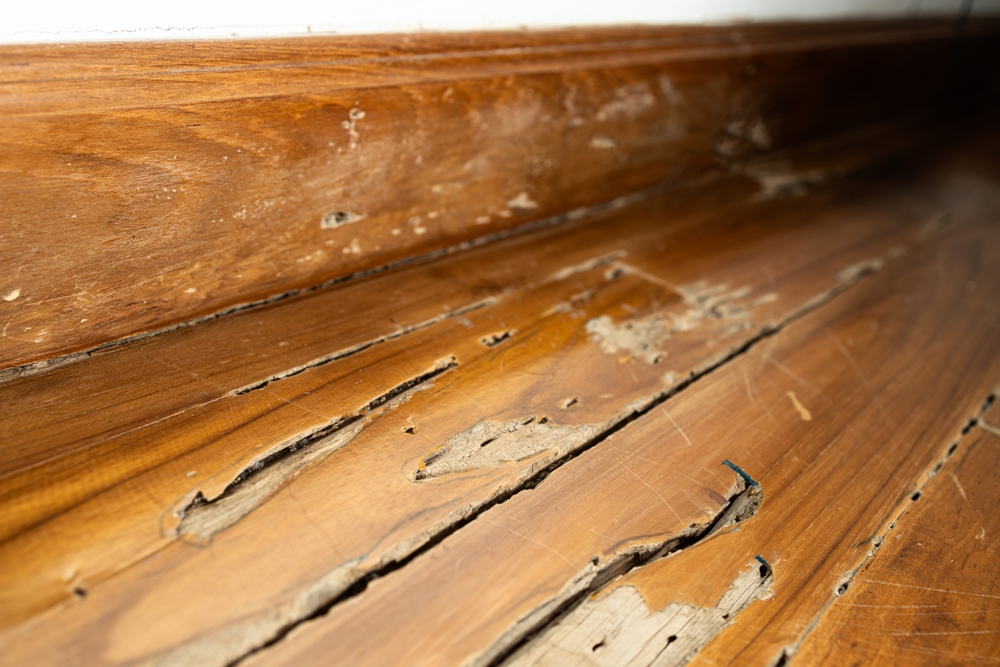
Many of Portland’s homes are built with basements and crawlspaces, which are particularly vulnerable to excess moisture. These areas often go unchecked, providing a breeding ground for problems to fester. Homeowners might notice musty smells, warped wood, peeling paint, or mold growth, but often overlook the more dangerous side effect: pests. Moisture doesn’t just damage your home, it invites a whole ecosystem of pests that thrive in damp, dark environments.
The Unseen Impact of Damp Basements and Crawlspaces
Damp basements in Portland pose more than just structural risks. They serve as the perfect entry point for pests seeking out warmth, food, and moisture. In many cases, crawlspace moisture issues in Portland homes go unnoticed until a serious infestation occurs. Since crawlspaces are difficult to access and rarely visited, moisture builds up undisturbed, creating an ideal environment for mold, mildew, wood rot, and pests.
These damp conditions can also compromise insulation, rust pipes, and weaken foundation walls. Over time, unchecked moisture can lead to costly repairs, dramatically lowering property value. More importantly, it creates a welcome sign for pests like termites, carpenter ants, cockroaches, silverfish, and rodents. These pests are not only destructive, but they also pose health risks to your family.
Humidity and leaks in basements or crawlspaces often go unnoticed until signs of infestation become obvious. Unfortunately, by the time these signs appear, such as droppings, nesting materials, or chewed wires, the pest population has already grown. Professional inspections, particularly after the rainy season, are essential to detect early moisture problems and keep pests at bay.
The Most Common Pests Attracted to Moisture in Portland
Moisture pests in Portland range from the nuisance to the seriously hazardous. Termites are among the most destructive, capable of undermining the structural integrity of your home by feeding on damp wood. Portland’s rainy environment gives them an advantage, especially in crawlspaces and basements where wood remains moist year-round. Once termites find a food source, they establish colonies that are extremely difficult to eliminate without professional help.
Carpenter ants are another major concern. Like termites, they burrow into wood but do not eat it. Instead, they carve it out to create tunnels. Their presence often indicates prolonged moisture exposure. These ants are particularly drawn to decaying wood, which they can find in areas with persistent leaks or flooding.
Cockroaches, especially the American and German varieties, thrive in moist, dark environments. A wet basement or under-sink leak can quickly become a sanctuary for them. These pests are not only disgusting to encounter but are also carriers of bacteria that can contaminate food and surfaces.
Silverfish, while not harmful in a physical sense, feed on paper, wallpaper glue, fabrics, and even some adhesives. Their presence is a sign that humidity levels are too high. Rodents, like rats and mice, are also drawn to moist areas. They build nests in basements, attics, and wall voids, and their droppings can cause respiratory issues, particularly in children.
Each of these pests is drawn to the same thing: consistent moisture. Once they arrive, they multiply quickly and are difficult to remove without targeted treatment strategies.
Moisture Problems and the Bigger Pest Control Picture
Solving moisture problems in Portland homes requires more than a surface-level fix. Many homeowners attempt to address pest problems by using over-the-counter traps and sprays. While these might offer temporary relief, they rarely get to the root of the issue: moisture. Without tackling the damp environment that attracted the pests in the first place, infestations are likely to return.
Portland pest control professionals understand the unique challenges the local climate presents. Moisture control is a foundational element of any successful pest control strategy in the area. This includes sealing cracks, fixing leaks, improving drainage, installing vapor barriers, and ensuring proper ventilation in crawlspaces and attics.
In the long term, addressing structural vulnerabilities helps reduce the need for chemical interventions. It also helps protect your home from repeated infestations, saving both time and money. Regular inspections, especially during the wetter months, help detect early signs of trouble before they escalate into full-blown infestations.
Combining structural repairs with expert pest control provides a holistic defense against recurring pest problems. Homeowners who take a proactive approach typically experience fewer issues, enjoy greater peace of mind, and preserve the value of their property.
The Case for Eco-Friendly Pest Control in Portland
Portland residents are increasingly turning to eco-friendly pest control solutions. Sustainability is a core value for many in the region, and pest control is no exception. Traditional chemical treatments may be effective, but they can pose risks to pets, children, and the environment. Eco-friendly pest control in Portland offers a safer alternative that aligns with the city’s environmentally conscious lifestyle.
These approaches include using botanical-based repellents, targeted baiting systems, and exclusion techniques that reduce the likelihood of re-entry. In cases where chemical treatments are necessary, professionals use low-toxicity formulations designed to minimize impact.
Beyond treatment, eco-conscious pest control also focuses on prevention. This means educating homeowners on how to control moisture levels, seal entry points, and maintain landscaping in a way that discourages pests. Dehumidifiers, gutter maintenance, and proper grading around the foundation are just a few tactics used to prevent excessive moisture buildup.
By addressing the environment that supports pests, eco-friendly methods not only eliminate current problems but also reduce the likelihood of future infestations. This dual benefit makes green pest control an increasingly popular choice among Portland homeowners who value both safety and sustainability.
Conclusion
Moisture problems in Portland homes are more than a seasonal nuisance. They create ideal breeding grounds for a wide variety of pests, from termites and carpenter ants to cockroaches and rodents. Left unaddressed, moisture can silently undermine a home’s structure while inviting infestations that are expensive and difficult to manage.
Damp basements, leaky crawlspaces, and poor ventilation contribute heavily to this problem. Whether you live in a century-old Portland bungalow or a newer build, no home is immune. Awareness is the first step. Taking action by fixing leaks, improving drainage, and consulting pest control professionals can make the difference between a minor inconvenience and a costly infestation.
For homeowners in Portland, pest control isn’t just about removing bugs. It’s about protecting your investment, maintaining a healthy living environment, and doing so in a way that respects the natural world. Eco-friendly pest control, combined with proactive moisture management, offers a path forward that’s both effective and responsible.
Don’t wait for pests to signal that something’s wrong. If you suspect moisture issues in your home, take steps today to inspect, repair, and protect. The health of your home and everyone living in it depends on it.