
Seasonal Pest Guide: What Portland Homeowners Should Expect Each Month
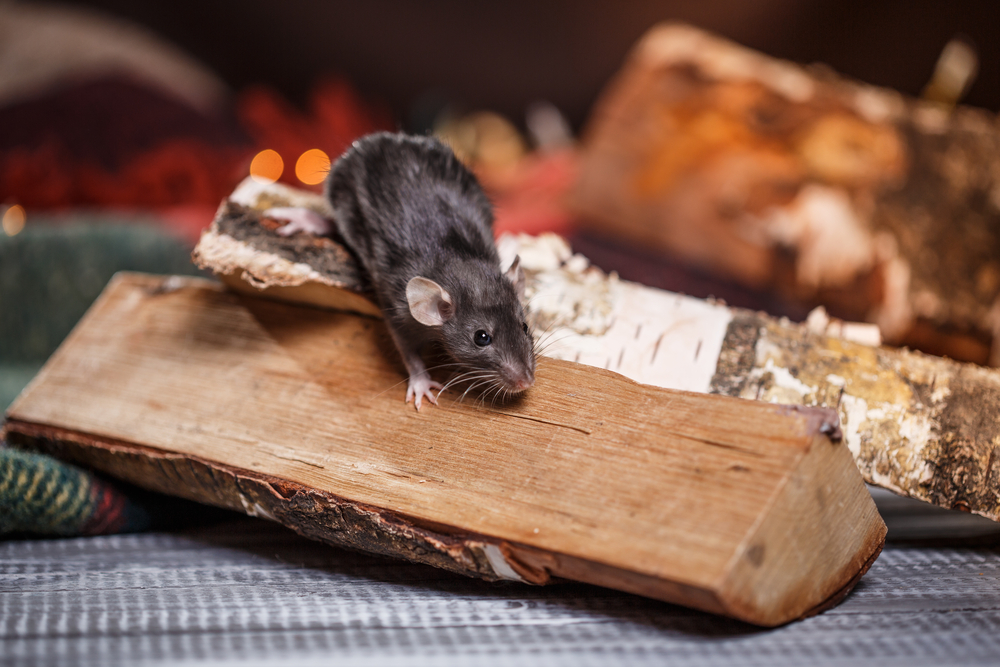
Winter in Portland brings cold rain, short days, and a wave of pests that move indoors in search of shelter. During these months, homeowners often encounter rodents such as mice and rats. These pests take advantage of gaps in siding, cracks in foundations, or poorly sealed doors and windows. Once inside, they nest in attics, basements, and wall voids. This period also brings occasional spider sightings since these arachnids follow prey that has migrated indoors. Moisture loving pests like silverfish may also appear, drawn to humid bathrooms and laundry areas.
Understanding seasonal pests in Portland can help homeowners prepare in advance. Winter is a time to focus on exclusion tactics. Sealing entry points is one of the most effective prevention steps because it stops infestations before they begin. Reducing clutter, especially in storage spaces, removes hiding spots that attract rodents and insects. Portland homeowners pest tips for winter include repairing leaks, improving ventilation, and storing food in airtight containers. These first months of the year set the stage for a healthier, pest free home as the seasons shift, making early prevention essential.
March and April: Spring Awakening and Increased Activity
As temperatures rise and daylight improves, pests become more active. Ants are among the earliest spring invaders in Portland. They emerge from their colonies and forage for food which can lead to trails appearing in kitchens and pantries. Carpenter ants become particularly concerning during this time since their activity signals potential moisture damage in siding or structural wood. Spring also marks the start of stinging insect activity. Paper wasps begin building small nests under eaves, in sheds, or inside attic spaces.
Moisture continues to play a major role during early spring. Rainy Portland weather creates ideal conditions for slug and snail populations which thrive in gardens and landscaped areas. Homeowners often notice new plant damage as these pests feed on tender growth. The monthly pest guide for these spring months highlights the importance of addressing standing water on the property. Cleaning gutters, improving drainage, and trimming vegetation away from the home can reduce pest pressure. Spring cleaning also supports pest prevention, Portland residents have long recognized that decluttering and deep cleaning disrupt breeding sites and make homes less appealing to insects.
May through July: Summer Surge of Insects
Summer brings warmth and extended sunlight which accelerates the life cycles of many pests. Ant populations expand rapidly, especially sugar ants which become a top nuisance in Portland neighborhoods. Spiders increase as they hunt the abundance of insects that accompany summer. Wasps and yellowjackets grow more aggressive as their colonies develop and food demands rise. Homeowners should keep an eye on outdoor structures during these months because nest expansion can happen quickly.
Mosquitoes also flourish as temperatures climb. Even small containers of water can produce large mosquito populations which can affect outdoor enjoyment. Tick activity increases as well, especially in wooded or grassy areas around Portland. These pests pose health concerns which makes prevention a key priority.
Warm weather also invites pantry pests into homes. Beetles and moths may infest dried goods which makes proper food storage crucial. The increase in barbecues and outdoor dining can attract ants and wasps if food scraps are left behind. The monthly pest guide for summer emphasizes sanitation. Cleaning up spills immediately, securing garbage bins, and maintaining yard cleanliness limit access to food sources. Regular exterior inspections provide early warning signs of wasp nests or carpenter ant activity. Summer is the season when pests are most visible which makes quick response important for effective pest control.
August through October: Late Season Transitions and Harvest Pests
Late summer and early fall bring a shift in pest behavior. As natural food sources decline, insects begin moving closer to homes in search of sustenance. Yellowjackets reach their peak in aggression during August and September which often results in increased encounters during outdoor gatherings. This period represents one of the most challenging pest seasons in Portland due to wasp persistence and large colony sizes.
Spiders also become more noticeable in fall. Larger species like orb weavers spin webs around porches, gardens, and entryways. Their presence can be startling even though many of them help control other insects. Stink bugs and boxelder bugs appear as they search for sheltered locations. These pests congregate on sunny exterior walls and may slip indoors through torn screens or unsealed gaps.
Autumn rain returns which supports moisture heavy pests such as millipedes and slugs. Rodent activity begins to rise again as they prepare for winter. This makes late summer and early fall an ideal time for inspection. Checking for cracks, trimming branches that touch the house, and storing firewood away from structures can limit pest access. Pest prevention, Portland homeowners have learned, is most successful when seasonal patterns are anticipated. Landscape maintenance is especially important during this period because overgrown vegetation creates bridges for pests to enter homes.
November and December: Preparing for Winter Pressures
As temperatures cool again, pests return to their winter survival habits. Rodents become the primary concern during late fall and early winter. They seek warmth and secure nesting sites which makes garages and attics prime targets. Portland homeowners should pay attention to noises in walls, droppings, or gnaw marks which are common signs of rodent activity.
Moisture remains a factor throughout the year in Portland. Heavy winter rains can push insects like ants back indoors. Damp crawl spaces or basements may attract pests that thrive in humid environments. Spiders find shelter inside as well, particularly in undisturbed storage areas.
This time of year also brings holiday decorations out of storage. Boxes kept in garages or sheds can harbor pests which is why inspecting items before bringing them inside is a smart practice. Maintaining strong sanitation, storing food properly, and repairing damaged weather stripping help prepare homes for winter. The monthly pest guide for late fall and winter encourages homeowners to remain vigilant because pest pressures during these months can grow quickly if left unaddressed.
Conclusion
Understanding seasonal pests in Portland allows homeowners to anticipate challenges before they escalate. Each month brings predictable changes in pest behavior which means prevention efforts can be timed effectively. Winter calls for sealing entry points and monitoring rodent activity. Spring encourages moisture management and early inspection. Summer demands strict sanitation and prompt removal of outdoor attractants. Fall requires preparation for overwintering invaders and increased structural maintenance.
When homeowners follow a thoughtful schedule grounded in seasonal knowledge, pest issues become easier to manage. Consistent attention to sanitation, exclusion, landscaping, and moisture control strengthens the overall resilience of the home. Effective pest control involves more than reacting to problems. It depends on a year round strategy guided by Portland specific conditions. By following this monthly approach, Portland residents can keep their homes comfortable, healthy, and ready for the seasonal shifts that influence pest activity throughout the year.